Pakistan, KUFPEC discuss expanding energy cooperation
Petroleum Minister Ali Pervaiz Malik and KUFPEC Vice President Tariq Ibrahim discussed expanding cooperation in Pakistan’s energy sector. The meeting came amid renewed concern over fuel supply pressures and falling petrol stocks.


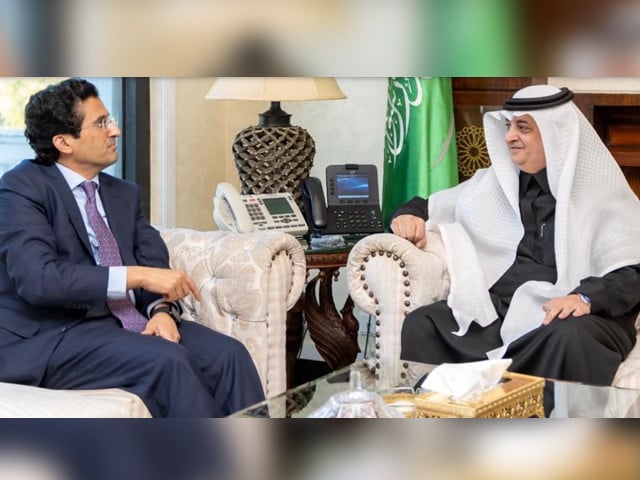
ISLAMABAD: Petroleum Minister Ali Pervaiz Malik met Kuwait Foreign Petroleum Exploration Company (KUFPEC) Vice President for Operations Tariq Ibrahim on Tuesday to discuss prospects for broader cooperation in Pakistan’s energy sector.
The meeting focused on ways to strengthen collaboration between Pakistan and KUFPEC, particularly in the energy field. During the talks, Malik described Kuwait as a close friend of Pakistan and said the two countries had maintained a 50-year partnership in the energy sector. He said the government was committed to further expanding that long-standing cooperation.
Ibrahim said KUFPEC was examining investment opportunities in Pakistan’s upstream oil and gas sector. Malik, in response, assured the company of official support and said Pakistan would extend every possible cooperation while offering a favourable climate for investment. He also said the country remained committed to facilitating international investors in the energy sector.
Fuel supply concerns
The meeting took place at a time when Pakistan’s fuel supply chain has started showing signs of strain again. Policy delays, the closure of the Strait of Hormuz and low inventory levels have raised fears of a possible oil shortage in the country.
Industry officials have warned that a mix of very low petrol stocks, delayed imports, higher international oil prices and unresolved financial issues could move the country toward another supply crunch. Motor gasoline inventories had fallen to around 379,442 tonnes, including output from local refineries, which was enough for 14 days of consumption based on prevailing demand patterns.
The same data showed petrol sales during the first 13 days of July averaged 25,000 tonnes per day, nearly 16% above projections and 26% higher than in the same period last year. The increase in demand was linked to expectations of another rise in petroleum prices, leading both consumers and dealers to increase purchases.
Industry officials fear that if this trend continues, available stocks may come under greater pressure before fresh cargoes arrive. While tensions around the Strait of Hormuz and Bab el-Mandeb have lifted global oil prices and freight costs, representatives of the petroleum sector believe domestic policy issues have added to the problem.
Comments
No comments yet. Be the first to join the discussion!