March 20, 2026
IMF raises concern over global inflation, output amid US-Israel war on Iran
The IMF warns prolonged high energy prices from the US-Israel war on Iran could raise global inflation by up to two percentage points and reduce output by one point. No countries have sought emergency financing.

March 20, 2026
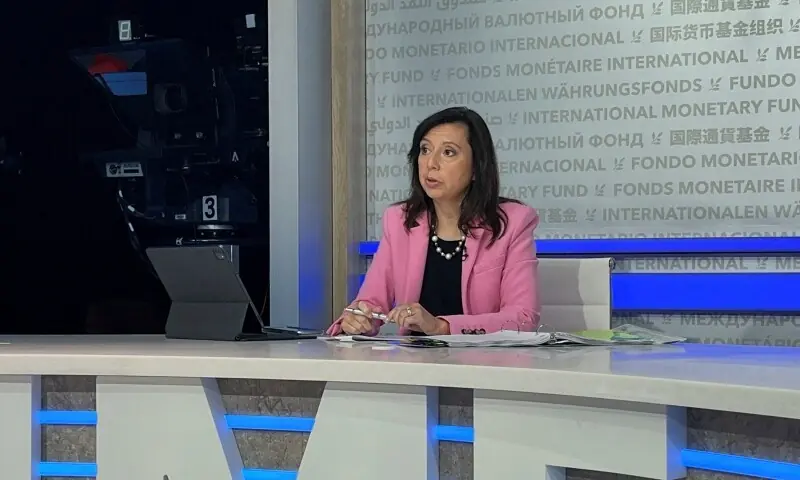
WASHINGTON: The International Monetary Fund (IMF) on Thursday said it was closely monitoring the effects of the US-Israel war on Iran on global inflation and economic output, though no country has yet sought emergency financial assistance from the fund in connection with the conflict.
IMF chief spokesperson Julie Kozack, speaking at a press briefing, warned that sustained elevated energy prices could have significant consequences for the global economy.
"If prolonged, higher energy prices will lead to higher headline inflation,"
Kozack stated. She elaborated that if oil prices remained above $100 per barrel for a year or more, the estimated impact on global inflation could be a rise of up to two percentage points, while global output could decline by one percentage point, based on what she described as "a broad rule of thumb."
No emergency financing requests received
The IMF spokesperson also confirmed that the fund had "not received any formal requests for emergency financing" in the aftermath of the US-Israel military campaign against Iran. The statement came as the conflict continues to roil the Middle East and disrupt global energy markets.
Strait of Hormuz blockade raises stakes
The United States and Israel launched strikes on Iran on February 28, triggering a broader war that has engulfed the Middle East region. In response, Tehran has virtually blockaded the strategically vital Strait of Hormuz waterway. The strait is a critical chokepoint for global energy supplies, with approximately 20 percent of the world's oil and natural gas passing through the narrow passage.
The near-blockade of the Strait of Hormuz has added significant upward pressure on global energy prices, raising alarm among international financial institutions and policymakers about the broader economic fallout from the escalating conflict.
The IMF's cautious assessment reflects growing unease in global financial circles about the potential for the Middle East conflict to trigger a sustained energy price shock that could ripple through economies worldwide, pushing up consumer prices and dampening economic growth at a time when many nations are still grappling with the aftereffects of previous inflationary pressures.
The fund's acknowledgment that it is actively monitoring the situation, while noting the absence of formal emergency financing requests so far, suggests that the full economic consequences of the conflict are still unfolding, and the international community remains on alert for potential spillover effects on vulnerable economies.
0 Comments
No comments yet. Be the first to join the discussion!