IMF warns Middle East war could deepen Pakistan’s economic vulnerabilities
IMF warns Middle East war could deepen Pakistan’s economic vulnerabilities

Fund’s Resident Representative says widening Middle East conflict could trigger economic slowdown across MENAP region, deepen risks for Pakistan
Dr Mahir Binici cautions Pakistan faces higher import costs, tighter financial conditions and possible remittance slowdown
Says Islamabad’s reform programme remains on track as staff-level agreement on EFF, RSF reviews reached in March
Urges prudent fiscal policy, tight monetary stance and structural reforms to safeguard macroeconomic stability
ISLAMABAD: The ongoing Middle East conflict is expected to trigger a significant economic slowdown and heighten risks across the Middle East, North Africa, Afghanistan and Pakistan (MENAP) region, International Monetary Fund (IMF) Resident Representative in Pakistan Dr Mahir Binici said on Thursday.
Speaking at an outreach session at the Sustainable Development Policy Institute (SDPI), Dr Binici presented the IMF’s April 2026 Regional Economic Outlook Update for the MENAP region, according to a press release.
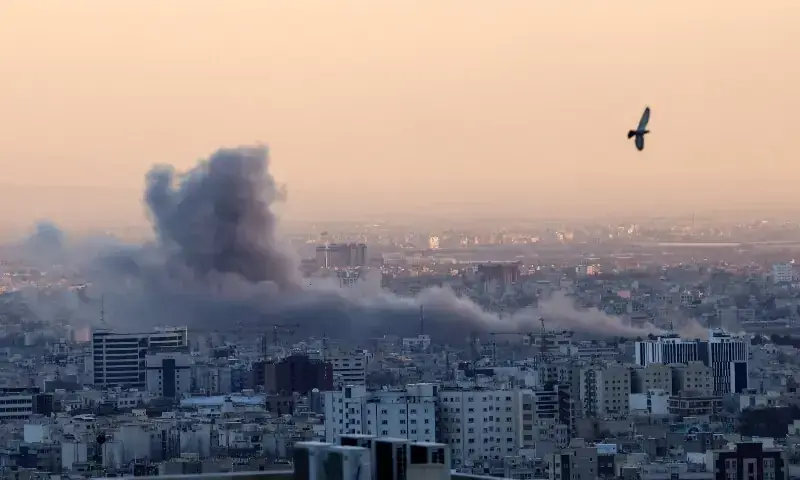
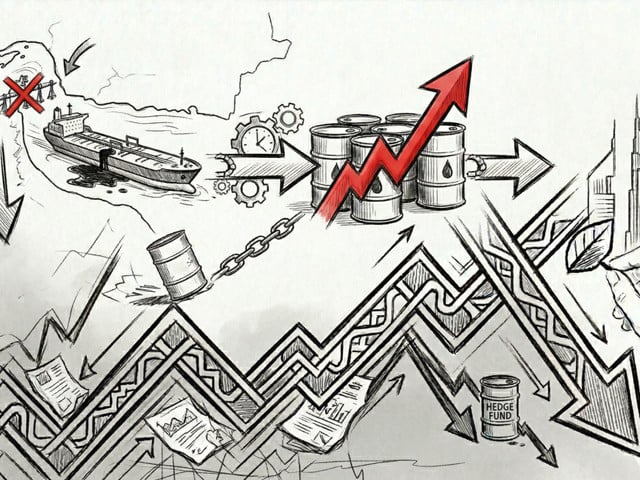
He said the outbreak of war on February 28 had unleashed a severe and multifaceted shock, disrupting energy markets, trade routes and financial conditions, particularly around the Strait of Hormuz.
These disruptions, he said, had also affected global logistics and driven up food and fertilizer prices, contributing to a sharp slowdown in regional growth and amplifying downside risks.
Dr Binici noted that for oil-importing economies such as Pakistan, the conflict had compounded existing vulnerabilities through higher energy and food import bills, a potential decline in remittances from Gulf-based workers and tighter financial conditions.
He stressed the importance of achieving macroeconomic stability by rebuilding fiscal and external buffers while protecting vulnerable segments through targeted and temporary support measures instead of broad-based subsidies.
Acknowledging Pakistan’s performance under the IMF’s Extended Fund Facility (EFF) programme, Dr Binici said implementation had remained broadly on track, adding that a staff-level agreement on the third review under the EFF and the second review under the Resilience and Sustainability Facility (RSF) had been reached in March.
He said Pakistan’s immediate policy priorities included maintaining a prudent fiscal stance, ensuring a tight and data-driven monetary policy and accelerating structural reforms.
Over the medium term, Dr Binici underscored the need to strengthen economic resilience through diversified trade routes, investment in critical infrastructure, enhanced regional cooperation and reforms aimed at promoting private sector-led inclusive growth.
He said sustained implementation of reforms would be critical for Pakistan to preserve stability and navigate an increasingly volatile regional and global environment.
Pakistan remained vulnerable to regional and global shocks
Earlier, welcoming the IMF resident representative, SDPI Executive Director Dr Abid Qaiyum Suleri said the session was aimed at assessing evolving regional and global developments and their implications for Pakistan’s economy.
He noted that the next tranche under the IMF programme was awaiting review by the Fund’s Executive Board.
Dr Suleri said Pakistan remained vulnerable to regional and global shocks due to limited preparedness and urged a shift away from blanket subsidies towards targeted and anticipatory social protection measures.
He also called for greater policy focus on energy sector reforms, including negotiations on capacity payments and increased reliance on renewable energy sources.
Comments
No comments yet. Be the first to join the discussion!