Govt slashes SOE salaries by up to 30% as PM Shehbaz expands austerity drive amid global oil crisis
In response to the global oil crisis, the Pakistani government has announced salary cuts of 5-30% for state-owned enterprise employees as part of a new austerity initiative aimed at public welfare.

ISLAMABAD: Employees of state-owned enterprises (SOEs) and autonomous institutions under government patronage will face salary cuts ranging from five to 30 per cent as part of sweeping austerity measures introduced by the government, with the savings earmarked for public relief.
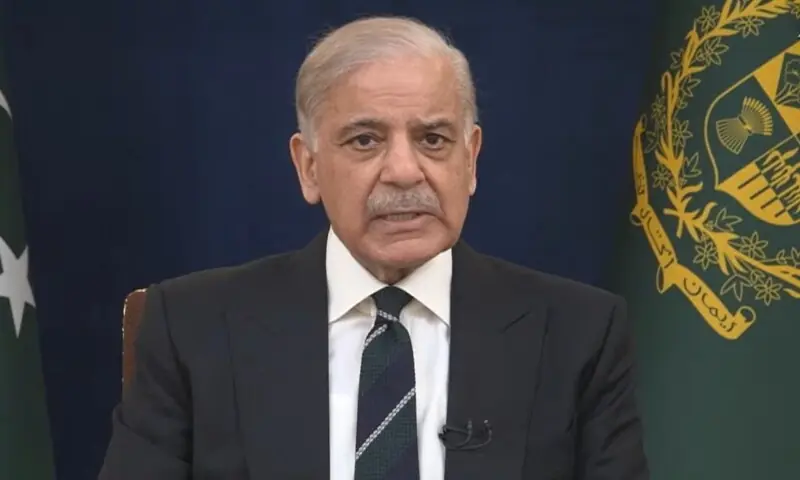
The decision was taken during a meeting chaired by Prime Minister Shehbaz Sharif on Saturday to review the impact of rising petroleum prices and the implementation of austerity policies, according to a statement issued by the Prime Minister’s Office (Pakistan).
The move expands a broader austerity package announced earlier this week amid the global oil crisis triggered by the ongoing conflict involving United States, Israel and Iran, which has driven up international energy prices and increased pressure on Pakistan’s economy.
Officials said the funds saved through these measures would be used exclusively for public welfare.
The meeting was attended by Finance Minister Muhammad Aurangzeb, Petroleum Minister Ali Pervaiz Malik, Information Minister Attaullah Tarar, Minister of State for Finance Bilal Azhar Kayani, and senior officials including Rashid Mahmood Langrial of the Federal Board of Revenue.
During the meeting, it was decided that the previously announced four-day work week would not apply to law enforcement agencies and the FBR, which will continue to operate under their normal schedules.
The government also reaffirmed that a third-party audit would be conducted within two months to assess the implementation of earlier decisions, including grounding 60 per cent of government vehicles and reducing fuel allocations for official vehicles by 50 per cent.
Officials said the meeting reviewed the ongoing enforcement of a complete ban on the purchase of new government vehicles as well as restrictions on other public-sector procurement.
In addition, cabinet members, federal ministers, advisers and special assistants to the prime minister will contribute their next two months’ salaries to public welfare funds as part of the austerity drive.
The government has also imposed a ban on foreign visits by ministers, advisers and special assistants, directing officials to rely on teleconferencing and online meetings instead.
The prime minister further instructed that government representatives serving on boards of corporations and public institutions would no longer receive participation fees, with those funds also added to the savings pool.
Separately, the premier directed Pakistani embassies worldwide to celebrate Pakistan Day with utmost simplicity.
The economic pressures facing Pakistan have intensified due to global energy market disruptions following the conflict involving Iran and the closure of the strategic Strait of Hormuz, which has led to sharp increases in oil prices.
Last week, the government announced a Rs55 per litre increase in petrol and high-speed diesel prices due to rising global oil costs. However, despite continued volatility in international markets, Prime Minister Shehbaz decided on Friday to keep domestic fuel prices unchanged under the country’s new weekly price revision mechanism.
Meanwhile, a separate meeting of the government’s petroleum price monitoring committee was held virtually under Finance Minister Aurangzeb to review national fuel stocks and supply arrangements.
Officials informed the meeting that Pakistan currently maintains comfortable petroleum reserves and that supply chains remain stable. Authorities also briefed the committee on ongoing import shipments, refinery operations and logistical arrangements aimed at ensuring uninterrupted fuel availability nationwide.
Participants also reviewed global oil market trends and potential scenarios that could affect Pakistan’s energy sector, while discussing measures to improve fuel conservation and demand management during periods of price volatility.
The finance minister said the government’s top priority was ensuring uninterrupted fuel supply while minimising the burden on citizens amid turbulent global energy markets. He added that authorities would continue closely monitoring international developments and domestic supply conditions to safeguard Pakistan’s energy security and economic stability.
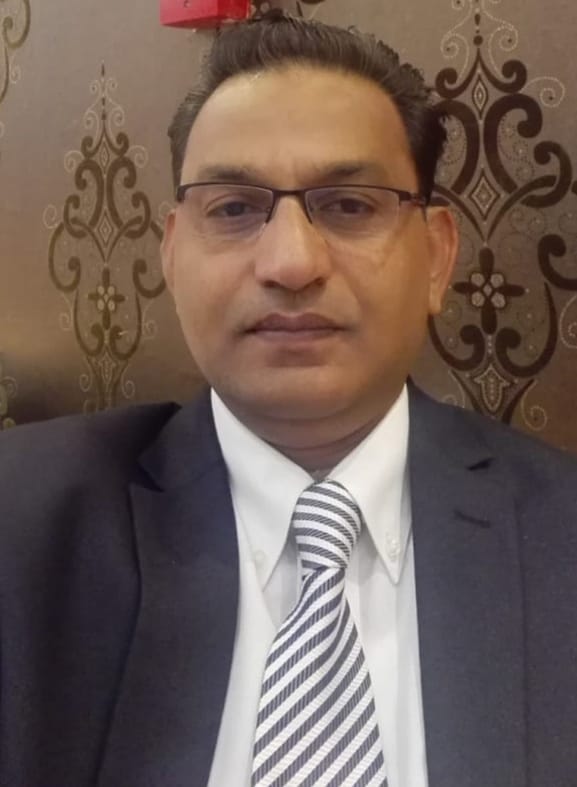
The writer is Head of News at Pakistan Today. He has a special focus on current affairs, regional and global connectivity, and counterterrorism. He tweets as @mian_abrar and also can be reached at [email protected]
View all articles →Comments
No comments yet. Be the first to join the discussion!