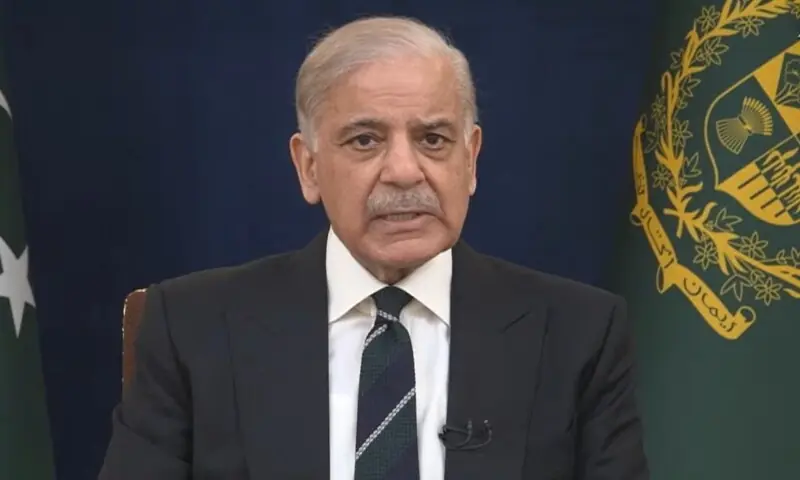
PM unveils austerity plan as fuel crisis deepens amid ME tensions
Prime Minister Shehbaz Sharif announces an austerity plan to address a deepening fuel crisis amid rising tensions in the Middle East. Key measures include salary cuts and reduced fuel allocations.

-- Govt cuts fuel use and public spending to manage energy disruption
-- Strait of Hormuz closure triggers global oil surge and supply fears
-- Cabinet to forgo salaries while parliamentarians face pay cut
-- Rising petrol prices intensify cost-of-living pressures for citizens
ISLAMABAD: Prime Minister Shehbaz Sharif on Friday announced sweeping austerity measures to cope with a worsening fuel crisis triggered by escalating tensions in the Middle East following attacks by the United States and Israel on Iran.
Regional tensions surged after air strikes reportedly killed Iran’s Supreme Leader Ayatollah Ali Khamenei along with several senior officials, prompting retaliatory action from Tehran. Iran responded by targeting US military bases across multiple Gulf countries, significantly escalating the confrontation.
The crisis deepened after Iran closed the strategically vital Strait of Hormuz following the strikes, disrupting the movement of global oil shipments and triggering a sharp surge in international crude prices—the strongest weekly increase since the volatility witnessed during the COVID-19 pandemic in 2020.
Addressing the nation, the prime minister said the government had formulated an austerity plan after consultations with both federal and provincial authorities.
As part of the measures, fuel allocation for government vehicles will be reduced by 50 per cent for the next two months, while 60 per cent of vehicles used by government departments will remain off the roads during the same period.
The prime minister also announced that federal cabinet members, advisers and special assistants will forgo their salaries for two months, while salaries of members of parliament will be reduced by 25 per cent. Additionally, non-salary expenditures of all government departments will be cut by 20 per cent.
Sharif said the region faced the looming threat of a broader war and stressed that Pakistan was making diplomatic efforts to help ease tensions.
He also noted that Pakistan continued to confront terrorism threats along its western borders, saying the armed forces were conducting operations against militants and their facilitators operating from Afghanistan.
The prime minister acknowledged the recent Rs55 per litre increase in petrol and diesel prices, describing it as a difficult but necessary decision. He said he had resisted proposals to impose an even higher increase and instead opted for what he called a “middle path”.
Sharif recalled that Pakistan had previously faced the risk of economic default but managed to stabilise the economy through tough decisions and public support, which helped reduce inflation and electricity prices.
He assured citizens that the government would strive to minimise the burden on the public during the ongoing crisis.
A day earlier, the premier had reviewed proposals aimed at ensuring prudent spending and protecting the national economy, emphasising the need for timely implementation of austerity measures. He also assured that the steps would not affect the industrial or agricultural sectors, ensuring continued production, exports and food security.
However, the steep rise in fuel prices has already intensified cost-of-living pressures. Residents reported higher transport fares and increased prices of daily necessities, while disputes were also reported at petrol pumps where attendants refused to dispense fuel in very small quantities.
Shopkeepers said transportation costs for fruits, vegetables and other goods had jumped from about Rs1,000 per trip to between Rs2,500 and Rs3,000, forcing them to pass on the burden to consumers. Drivers providing school transport services have also raised fares, further increasing financial pressure on households.
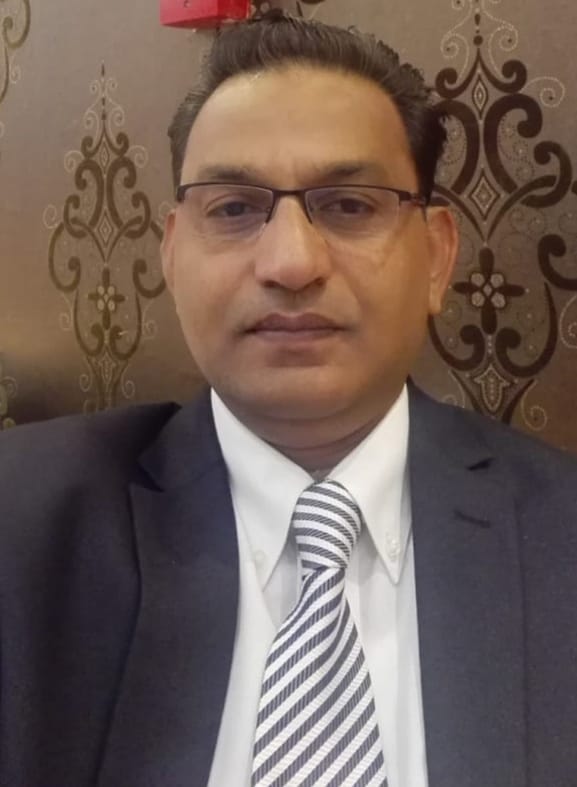
The writer is Head of News at Pakistan Today. He has a special focus on current affairs, regional and global connectivity, and counterterrorism. He tweets as @mian_abrar and also can be reached at [email protected]
View all articles →1 Comment
No comments yet. Be the first to join the discussion!