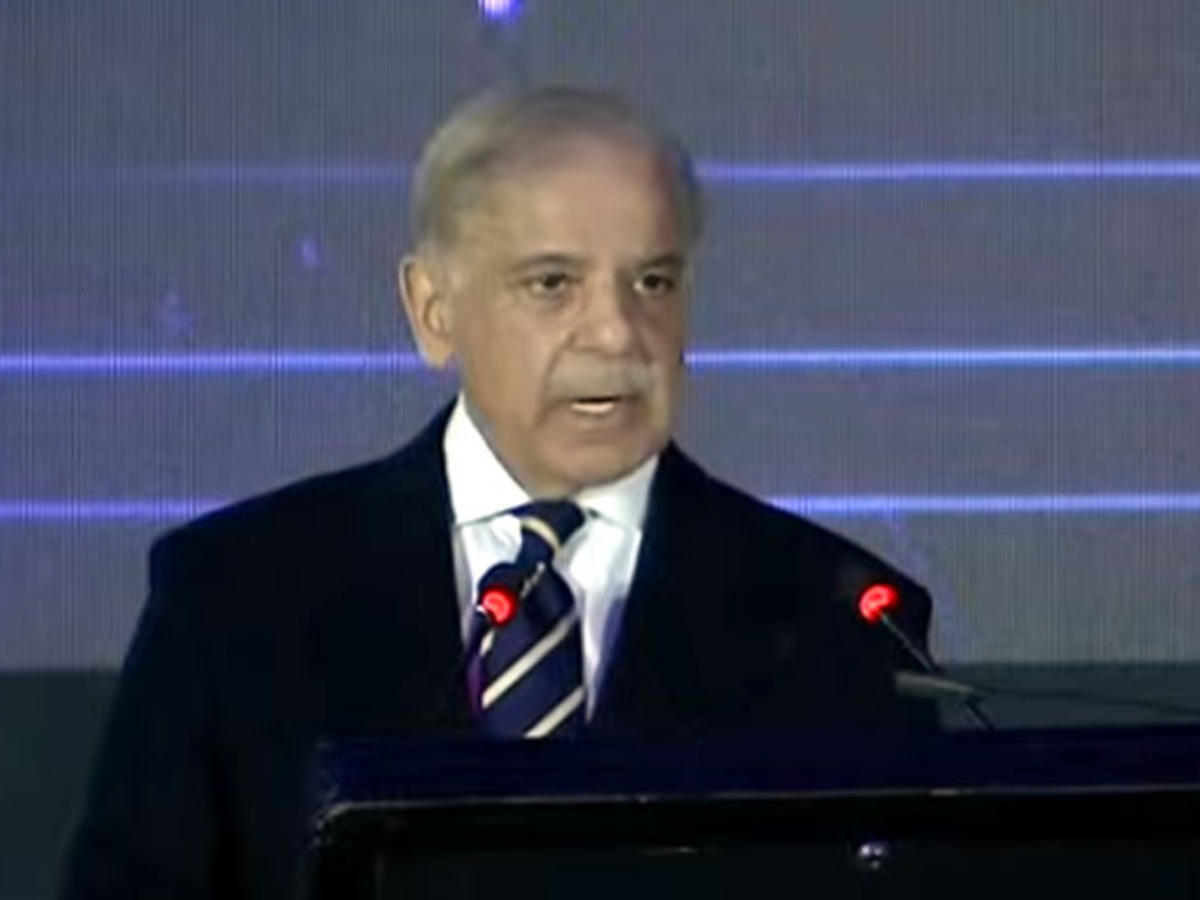
PM orders strict austerity enforcement, energy-saving measures
Prime Minister Shehbaz Sharif has mandated strict enforcement of austerity and energy-saving measures across federal ministries to stabilize Pakistan's economy amid global challenges.

Premier Shehbaz directs a third-party audit to assess impact, ensure transparency of austerity plan
Declares Friday holiday as weekly additional holiday, saying vehicles taken off road to be documented and reported
Special committee led by Ishaq Dar to review progress daily, with ministries told to enforce energy-saving measures, submit regular reports
Premier also directs FBR to expand tech-based monitoring across key productive sectors
ISLAMABAD: Prime Minister Shehbaz Sharif on Tuesday directed all federal ministries and divisions to strictly implement the government’s austerity and energy conservation measures, and ordered a third-party audit of the steps taken by government departments to assess their impact and ensure transparency and effectiveness, state media reported.
“The prime minister also approved making Friday the weekly additional holiday as part of a broader strategy aimed at conserving energy and reducing government expenditures,” said a statement issued by the Prime Minister’s Office (PMO).
Prime Minister Muhammad Shehbaz Sharif chairs a review meeting on implementation of austerity measures announced by the government in wake of current regional situation. pic.twitter.com/jwbtAuYLm3
— Government of Pakistan (@GovtofPakistan) March 10, 2026
Chairing a review meeting at the Prime Minister’s House on the implementation of austerity and energy-saving initiatives, the premier said the government was making every possible effort to keep the national economy stable despite difficult international circumstances.
وزیراعظم شہباز شریف کی زیرِ صدارت علاقائی صورتحال کے پیش نظر کفایت شعاری اور توانائی کی بچت کے حوالے سے حکومت کے اعلان کردہ اقدامات کے نفاذ پر جائزہ اجلاس
وزیراعظم کا کہنا تھا کہ کفایت شعاری اور توانائی کی بچت کے حوالے سے حکومت کے اعلان کردہ اقدامات پر نائب وزیراعظم و وزیر… pic.twitter.com/V6axuA8RX7— Government of Pakistan (@GovtofPakistan) March 10, 2026
Emphasizing the need to maintain economic stability despite prevailing regional and global challenges, the prime minister said Pakistan must pursue disciplined financial management and responsible energy use, state media reported.
He stressed that the effective implementation of austerity and energy conservation measures was essential for achieving this objective.
The prime minister informed participants that a special committee headed by Deputy Prime Minister and Foreign Minister Ishaq Dar had been constituted to oversee the implementation of these measures. The committee, he added, would review progress on a daily basis and submit regular reports to the government.
وزیراعظم محمد شہباز شریف کی زیر صدارت موجودہ علاقائی صورتحال کے پیش نظر کفایت شعاری اور توانائی کی بچت کے حوالے سے حکومت کے اعلان کردہ اقدامات کے نفاذ پر جائزہ اجلاس
وزیراعظم نے کہا کہ کفایت شعاری اور توانائی کی بچت کے حوالے سے حکومت کے اعلان کردہ اقدامات پر نائب وزیر اعظم و… pic.twitter.com/nAEKlxEpNJ— Government of Pakistan (@GovtofPakistan) March 10, 2026
Directing strict compliance with the policy, the prime minister instructed all federal ministries and divisions to fully enforce simplicity, austerity and energy-saving measures within their respective departments.
He further directed ministries and institutions to send photographs of vehicles taken off the road under the austerity policy to the Cabinet Division as part of monitoring and documentation of the measures.
The meeting was also informed that ministries would submit daily and weekly reports to the special committee regarding the implementation of energy-saving initiatives and workforce management measures.
Additionally, the prime minister asked ministries to send reports to the Prime Minister’s Office detailing the steps taken to make work-from-home arrangements more effective.
The meeting was attended by Deputy Prime Minister and Foreign Minister Ishaq Dar, Minister for Climate Change Musadik Malik, Finance Minister Muhammad Aurangzeb, Minister for Economic Affairs Ahad Khan Cheema, Minister for Information and Broadcasting Attaullah Tarar, Minister of State for Finance and Railways Bilal Azhar Kayani, and senior government officials.
‘FBR directed to expand automated monitoring to boost tax revenue’
Meanwhile, Prime Minister Shehbaz Sharif on Tuesday directed the Federal Board of Revenue (FBR) to bring the maximum number of productive sectors under automated monitoring systems in order to enhance tax collection and curb tax evasion.
Chairing a weekly review meeting on FBR affairs at the Prime Minister’s Office, the prime minister emphasized the need to further strengthen enforcement mechanisms to increase revenues and ensure transparency in the taxation system.
وزیراعظم محمد شہباز شریف کی زیرِ صدارت FBR کے امور پر ہفتہ وار جائزہ اجلاس
وزیراعظم کی پرال (PRAL) کی ایگزیکٹو ٹیم میں میرٹ کی بنیاد پر ماہرین کی بھرتیوں اور پرال کو ایک فعال ادارہ بنانے پر معاشی ٹیم کی پذیرائی۔
وزیراعظم کو بریفنگ میں بتایا گیا کہ ٹیکسٹائل ، چمڑے، کاغذ،… pic.twitter.com/lCkumnjWuV— Government of Pakistan (@GovtofPakistan) March 10, 2026
He appreciated the government’s economic team for inducting experts into the executive team of Pakistan Revenue Automation Limited (PRAL) on merit, and for efforts aimed at transforming the organization into a more efficient and functional institution.
During the meeting, the prime minister also instructed the Drug Regulatory Authority to complete the serialization of medicines manufactured in the country at the earliest.
He further directed that digital services for taxpayers, including the Auto Tax System, Digital Invoicing System, IRIS and other applications, be made available in Urdu and other local languages to improve accessibility and compliance.
Officials briefing the meeting said several technology-based systems had already been implemented to monitor production across various sectors, while additional systems would soon become operational to further enhance tax revenues.
وزیر اعظم محمد شہباز شریف کی زیر صدارت FBR کے امور پر ہفتہ وار جائزہ اجلاس
وزیراعظم کی ٹیکس دہندگان کے لیے آٹو ٹیکس سسٹم، ڈجیٹل انوایسنگ سسٹم، آئرس (IRIS) اور دیگر ایپلیکیشنز کو اردو اور دیگر مقامی زبانوں میں بنانے کی ہدایت
بریفنگ میں بتایا گیا کہ آلٹرنیٹ ڈسپیوٹ ریزولیوشن… pic.twitter.com/Wk5ulJyP4s— Government of Pakistan (@GovtofPakistan) March 10, 2026
The meeting was informed that modern monitoring tools, including video analytics, unit counting, barcode scanning, stamping and serialization, were being used to track production.
Monitoring systems have already been installed at sugar, cement, cigarette and fertilizer factories, which have contributed to a noticeable increase in tax collection.
Officials further informed that similar monitoring mechanisms were being introduced in the textile, leather, paper, automobile and beverage sectors, which are expected to generate billions of rupees in additional tax revenue.
The meeting was also told that amendments had been made to the law governing Alternative Dispute Resolution Committees to enhance transparency and restore taxpayers’ confidence. Through these committees, the government expects to collect around Rs80 billion in taxes by June 30, 2026.
Officials added that tax case decisions between July 2025 and January 2026 resulted in the recovery of Rs102.9 billion for the national exchequer, while pending tax cases are expected to yield around Rs369 billion by June 2026.
Comments
No comments yet. Be the first to join the discussion!