Mashion over Math? Schools shut to save fuel as major events continue across cities
Pakistan's government has closed schools to conserve fuel amid rising energy costs, raising questions as major events continue. This decision has sparked public debate.

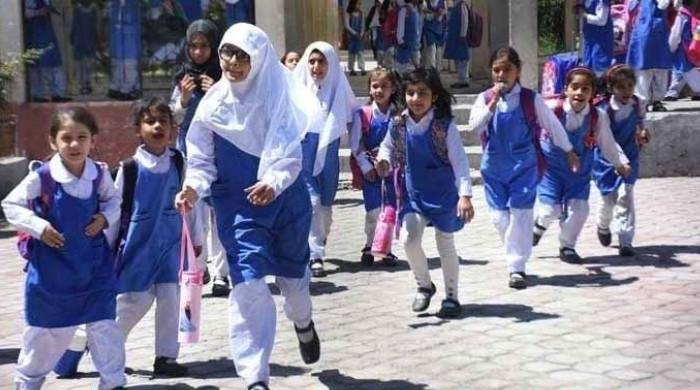
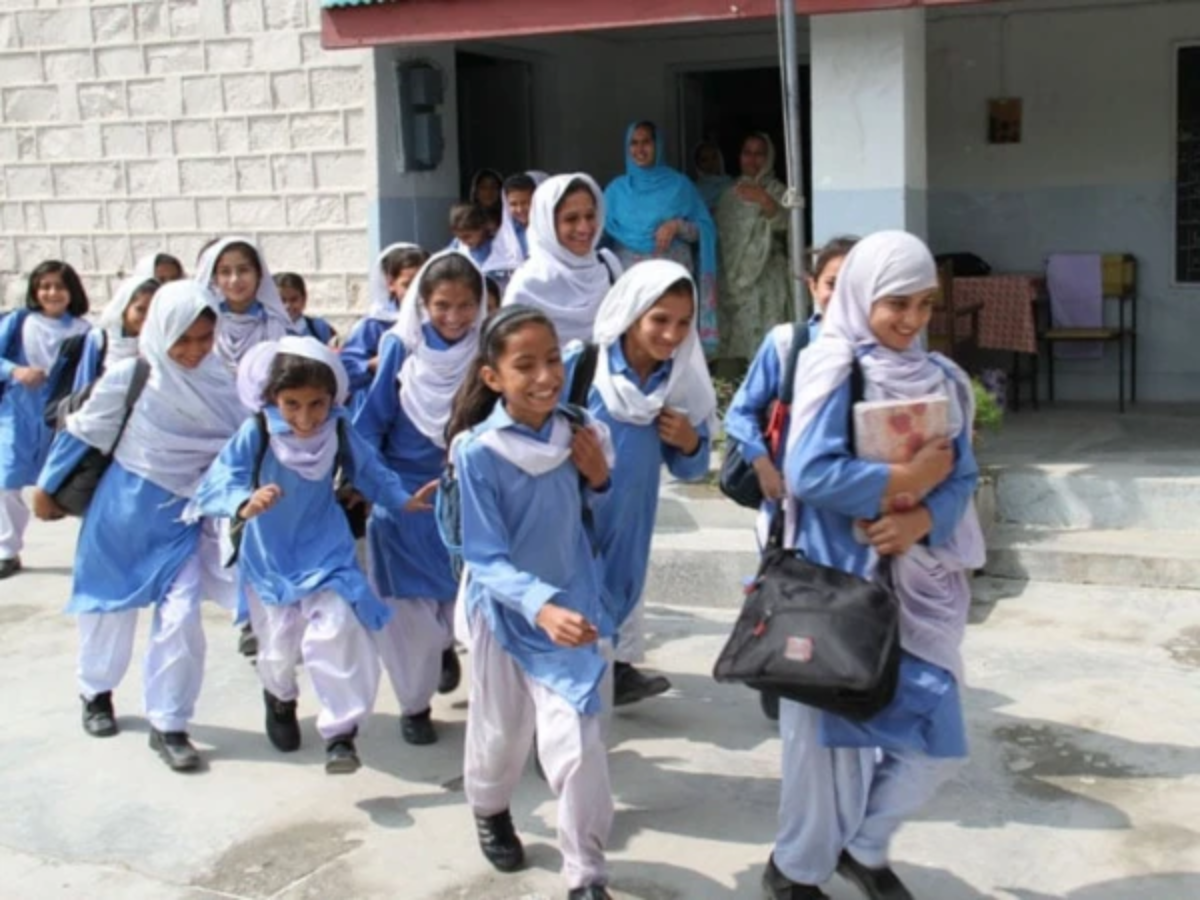
LAHORE: The government of Pakistan announced the closure of schools on the evening of March 9 as part of measures aimed at conserving fuel amid rising energy costs linked to regional tensions involving Iran. The decision means millions of students across Pakistan remain out of classrooms beginning the morning of March 10.
Officials say the move is intended to reduce transport activity associated with school vans, buses and daily commutes by parents and teachers, which collectively add to urban fuel consumption.
While schools are shuttered to save petrol, the city prepares for the Mashion Bazaar at the Polo Club, the lights of Jashn-e-Baharan along the canal, and the upcoming frenzy of the Pakistan Super League.
The decision has sparked debate because the government’s stated goal is to reduce fuel consumption by limiting transport activity. However, large public gatherings, festivals and sporting events typically generate significant traffic, with thousands of visitors travelling to venues, vendors transporting goods and equipment, and service workers commuting to work.
In Lahore, preparations for seasonal festivities and lifestyle events continue as usual, with visitors expected to gather at markets, festival venues and sporting events over the coming days.
For many observers, the contrast has raised a straightforward question: if fuel conservation is necessary, why do large gatherings and entertainment events continue while schools remain closed?
Social media reaction
The announcement quickly triggered debate online, where parents, teachers and commentators questioned the logic of the decision.
Several users pointed out that large public events and festivals involve significant transport activity, including visitors driving to venues, vendors transporting merchandise and equipment, and staff commuting to work.
Others argued that if the aim is to reduce fuel consumption nationwide, restrictions might need to extend beyond educational institutions.
Posts circulating on social media also highlighted the continued activity in shopping districts and commercial areas, where evening traffic and crowded markets remain a common sight despite the closure of schools.
Economic considerations
At the same time, some observers cautioned that halting commercial activity entirely is not always practical.
Markets, shops and small businesses support thousands of livelihoods, and sudden restrictions on economic activity can affect workers who rely on daily income.
However, critics argue that many of the events currently taking place, including lifestyle festivals and seasonal gatherings are largely centred around leisure activities such as shopping stalls, food vendors and entertainment rather than essential economic activity.
That distinction, they say, has fuelled frustration among parents who see educational institutions closed while large leisure events continue.
Some observers have suggested alternative ways to reduce fuel consumption without disrupting education.
These include limiting large public gatherings, reducing shopping hours in major commercial districts, or introducing staggered schedules for markets and businesses to reduce traffic during peak hours.
Supporters argue such steps could distribute the burden of fuel conservation more evenly across different sectors of society.
A recurring issue
The latest closure has also revived a broader debate about the frequent disruption of education during periods of crisis in Pakistan.
Schools across the country have previously been closed during smog emergencies, security alerts and energy shortages, often as one of the first steps taken by authorities to reduce activity in urban areas.
For many parents and educators, the latest decision reinforces a familiar pattern in which classrooms are among the first institutions to shut down when broader national challenges emerge.
With major events, festivals and commercial activity continuing across cities, the move has once again prompted questions about how conservation measures are applied, and whether the burden falls disproportionately on the education sector.
Manal Jaffery is a news editor at Pakistan Today with extensive experience in journalism, reporting, newsroom editing and digital content production. Her work covers national and international news, with a focus on accuracy, clarity and timely reporting.
View all articles →1 Comment
No comments yet. Be the first to join the discussion!