‘Khamenei’s son is unacceptable to me. I want someone else’, says Trump
Donald Trump has stated that Khamenei's son is 'unacceptable' as Iran's future leader, emphasizing the U.S. role in potential leadership transitions.

Donald Trump has suggested he would oppose the possibility of a successor from the family of Iran’s Supreme Leader taking power, while indicating that the United States should have a role in shaping a future leadership transition in Iran.
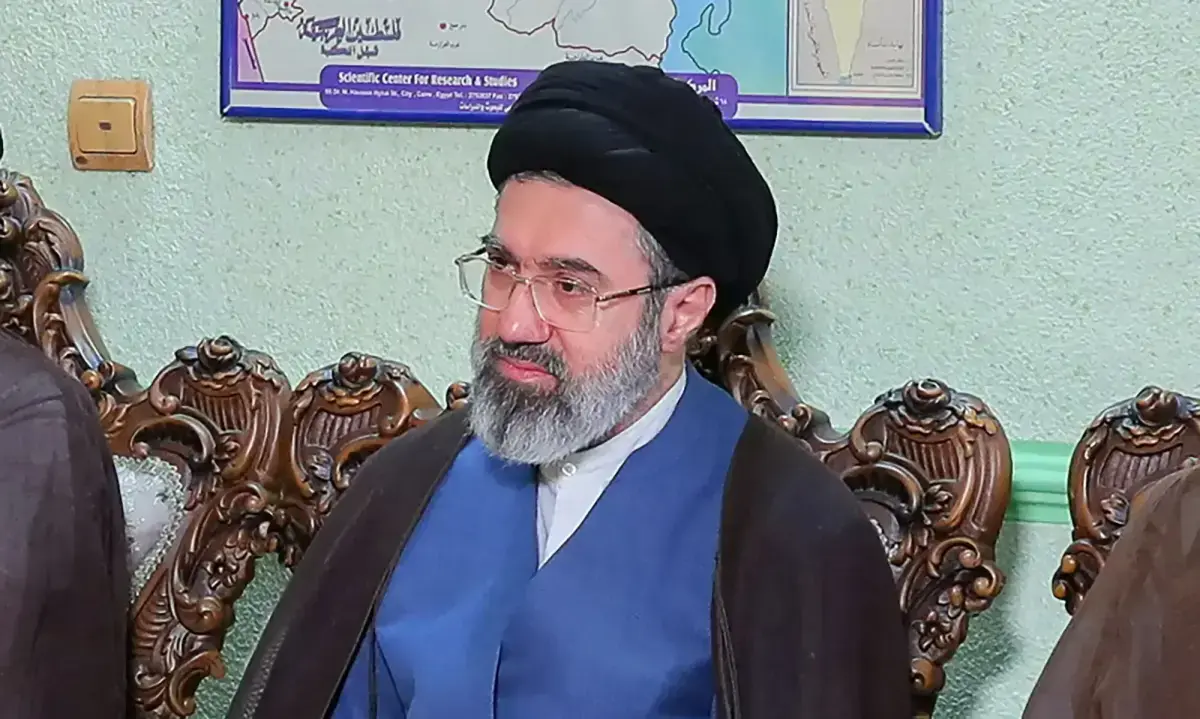
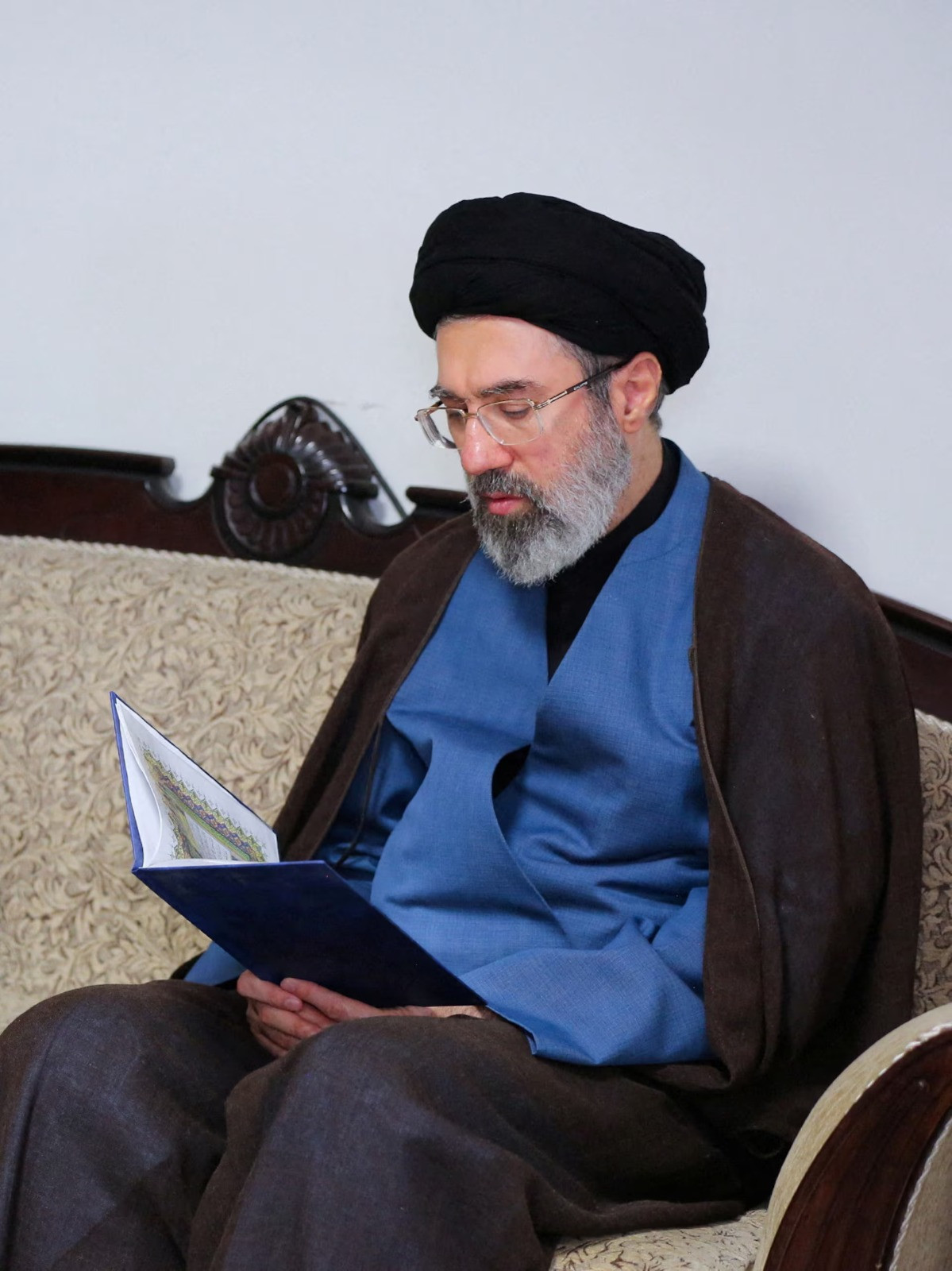
In remarks circulating widely on social media, Trump reportedly said that the son of Iran’s Supreme Leader, Ali Khamenei, would be “unacceptable” as a future leader of the country. Khamenei’s son, Mojtaba Khamenei, has frequently been mentioned in political discussions as a potential successor to his father.
Trump also indicated that the United States should play a role in the leadership appointment process if a transition occurs, arguing that Iran should move toward leadership that promotes “harmony and peace.”
Comparison with Venezuela
In the same remarks, Trump appeared to compare the situation to political developments in Venezuela, referencing opposition figure Delcy Rodríguez in discussing how international actors sometimes attempt to influence political outcomes in other nations.
The comparison reflects Trump’s longstanding criticism of governments he considers authoritarian and his support for efforts to pressure them through diplomatic or economic means.
Debate Over Foreign Influence
Any suggestion of U.S. involvement in selecting another country’s leadership is likely to spark controversy. Analysts say such statements could intensify tensions between Washington and Tehran, which have been strained for years over issues including nuclear policy, regional security, and sanctions.
Relations between the United States and Iran deteriorated significantly after the U.S. withdrawal from the Joint Comprehensive Plan of Action during Trump’s presidency.
Uncertain Political Future in Iran
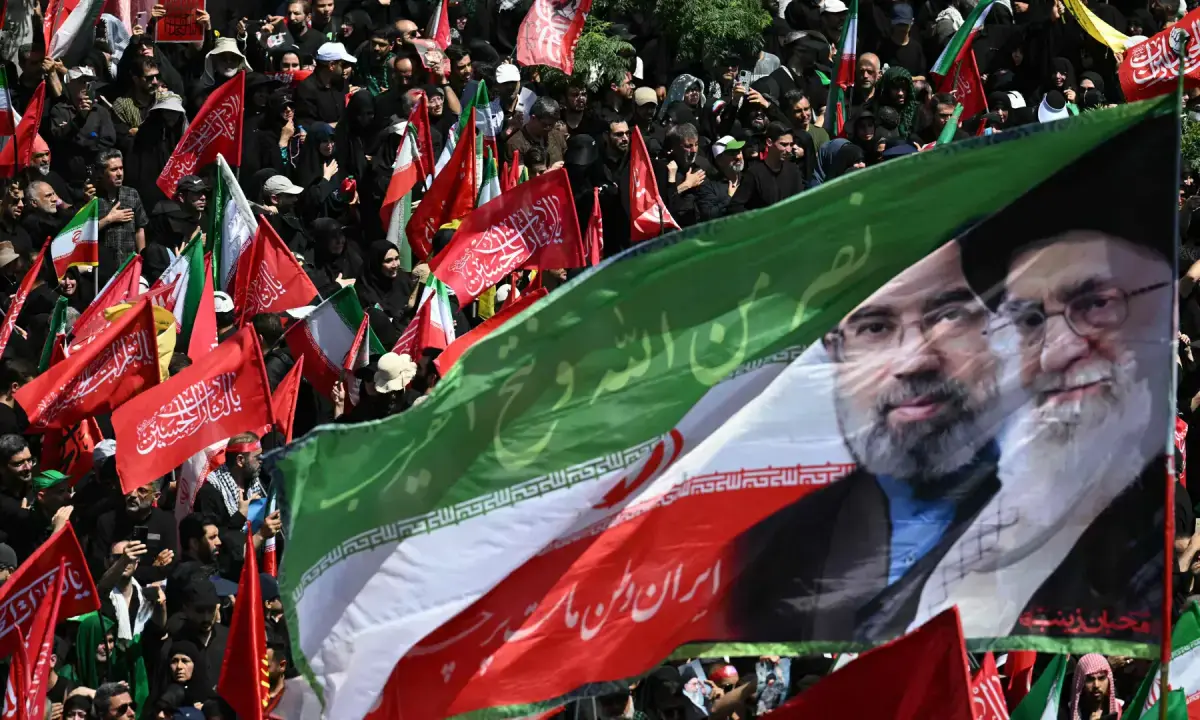
Speculation about leadership succession in Iran has grown in recent years as the country’s political system prepares for an eventual transition from the long-serving Supreme Leader.
However, under Iran’s constitution, the Supreme Leader is chosen by the Assembly of Experts, a body of Islamic scholars elected within the country, making external influence over the process highly unlikely.
Political observers note that any leadership change in Iran will primarily depend on internal political dynamics rather than foreign involvement.
Comments
No comments yet. Be the first to join the discussion!