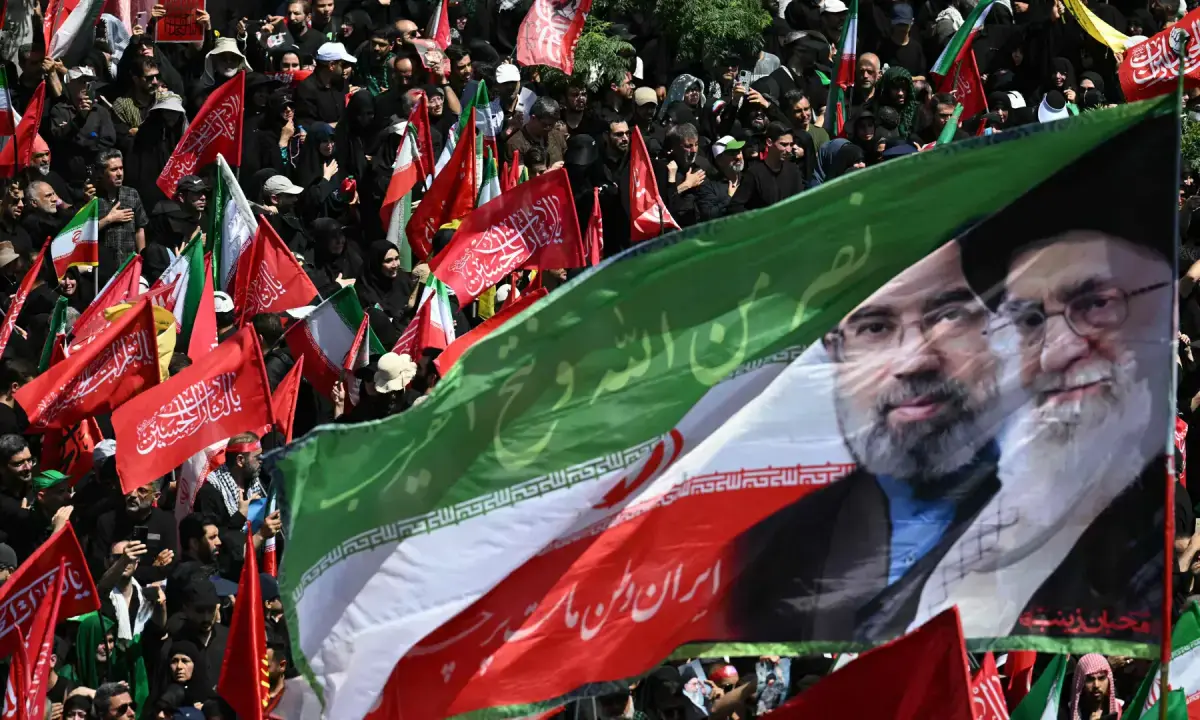
Mojtaba Khamenei emerges as possible successor of Ali Khamenei as conflict escalates
As regional tensions escalate following a US-Israeli military operation against Iran, speculation grows around Mojtaba Khamenei as a potential successor to his father, Ali Khamenei. This shift in focus raises questions about Iran's future leadership dynamics.

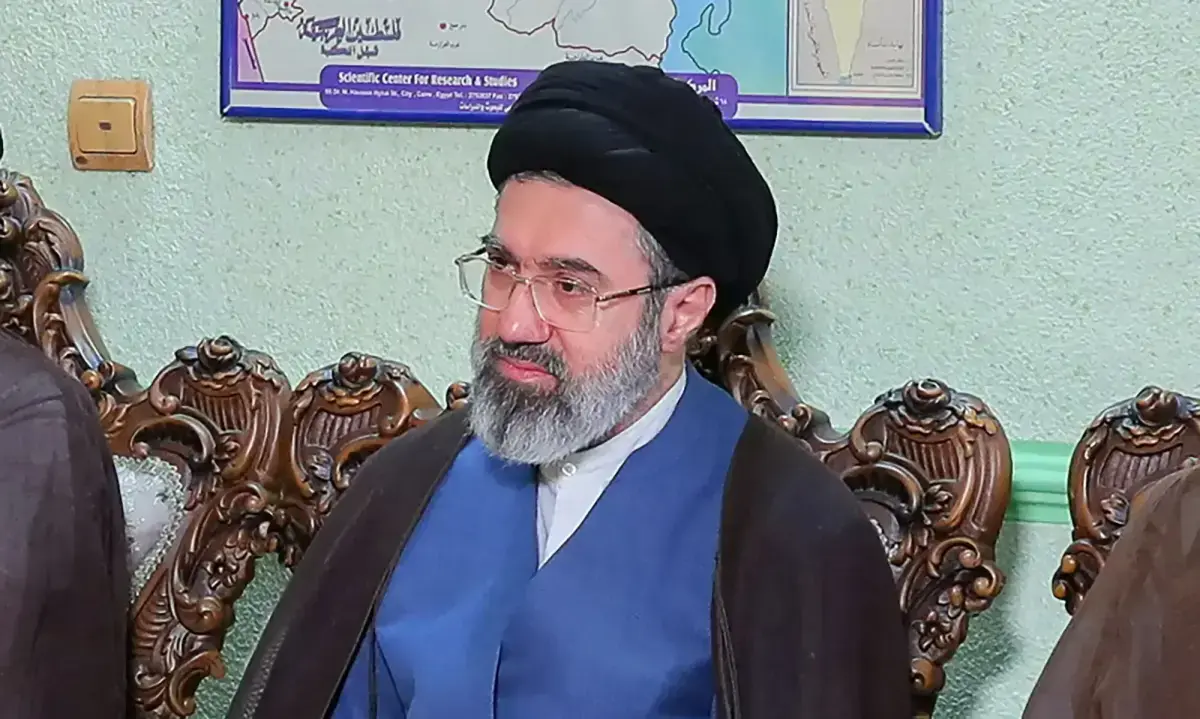
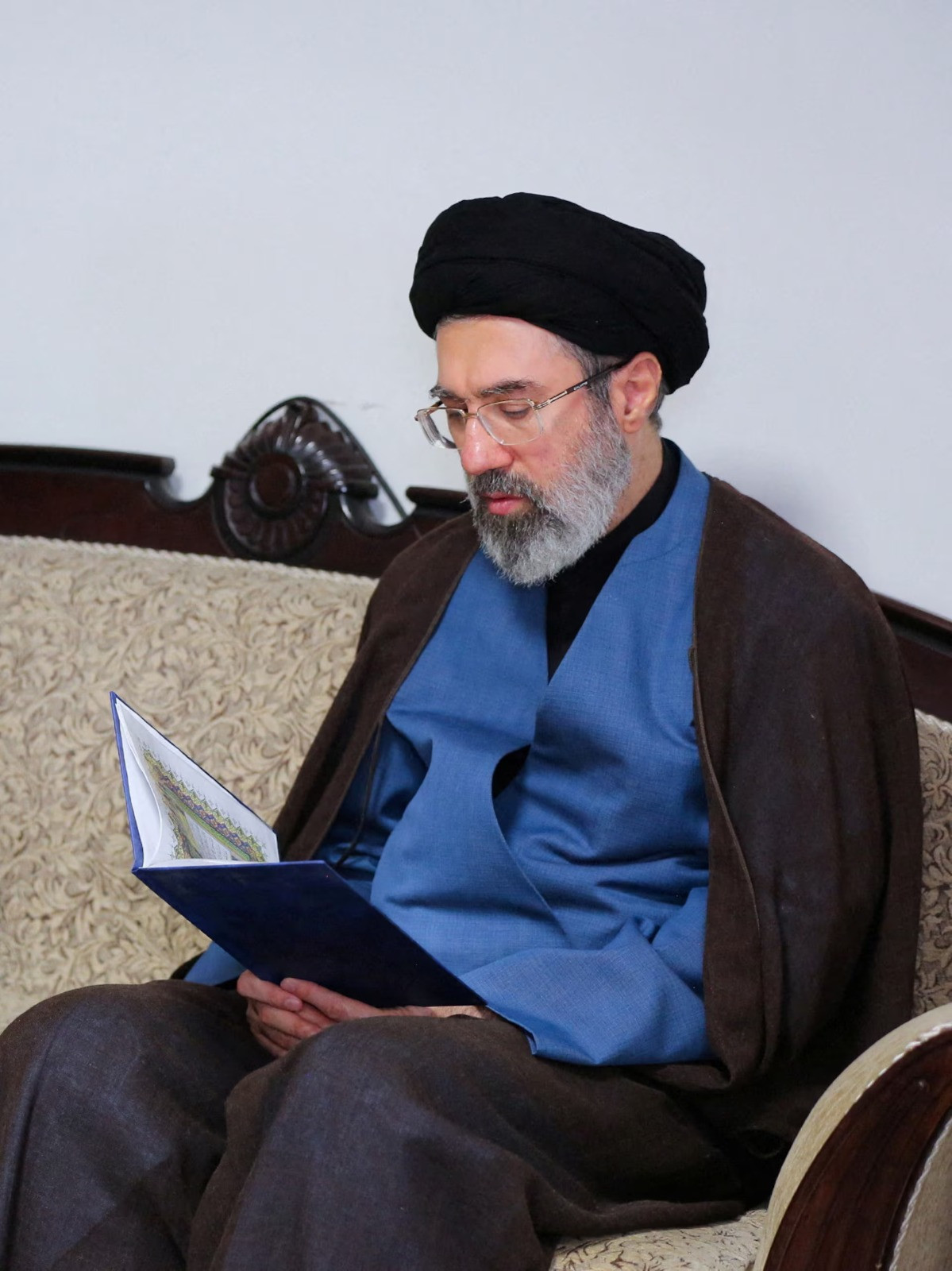
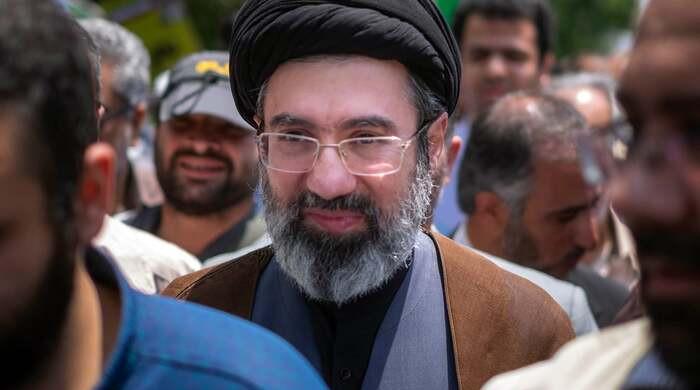
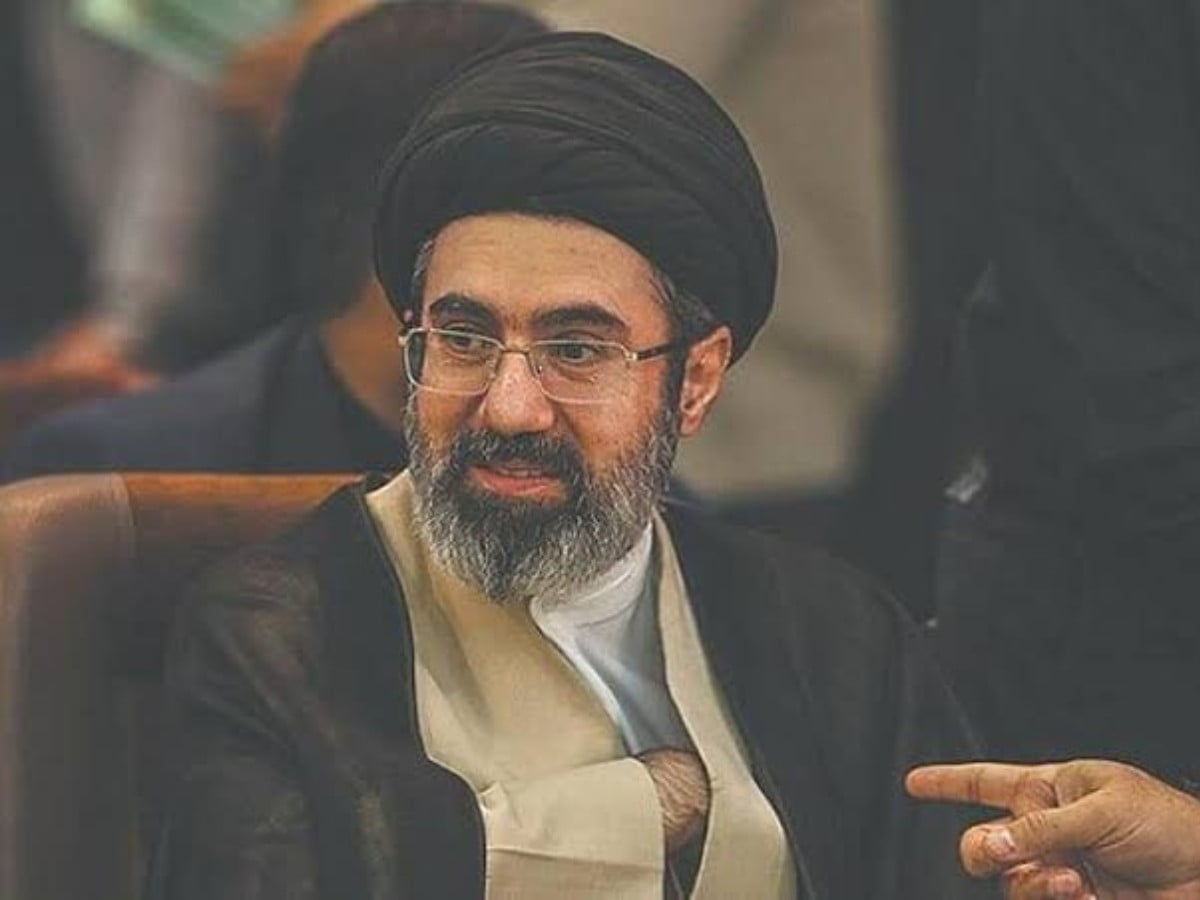
TEHRAN: As tensions surge following a major US-Israeli military operation against Iran, political attention inside the country has shifted toward a potential future leadership transition, with growing speculation that Mojtaba Khamenei could emerge as a successor to his father, Ali Khamenei.
The heightened focus on succession comes amid a dramatic escalation in regional hostilities. Israeli defence officials said the United States and Israel launched a coordinated military strike targeting Iranian positions. In retaliation, the Islamic Revolutionary Guard Corps (IRGC) announced a wave of ballistic missile and drone attacks aimed at key Israeli cities. Israeli authorities confirmed that air raid sirens were activated across multiple areas to prepare civilians for possible incoming strikes.
In a televised statement, the US president described the campaign as an “extensive military operation,” vowing to counter what he called threats posed by Iran’s leadership. Israeli media outlets, including Channel 12, reported that the operation was being carried out jointly by Washington and Tel Aviv.
Amid the unfolding conflict, attention has turned to internal political dynamics in Tehran. Mojtaba Khamenei, who has long maintained a low public profile, is widely believed to wield considerable influence behind the scenes. Though he holds no formal senior government post, analysts say he has cultivated strong ties within Iran’s security establishment and among influential conservative clerics.
Under Iran’s constitutional structure, the selection of the supreme leader falls to the Assembly of Experts, a body of clerics responsible for appointing and overseeing the country’s highest authority. However, observers note that power alignments within political, military, and religious institutions are likely to shape the outcome of any succession process.
Should Mojtaba Khamenei ultimately assume the role, it would mark an unprecedented moment in the Islamic Republic’s history, raising debate over the prospect of a hereditary-style transition within Iran’s leadership system.
Comments
No comments yet. Be the first to join the discussion!