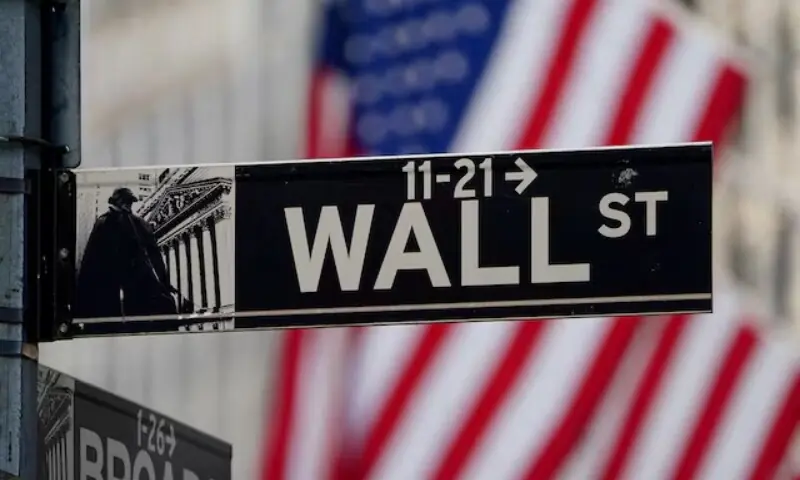
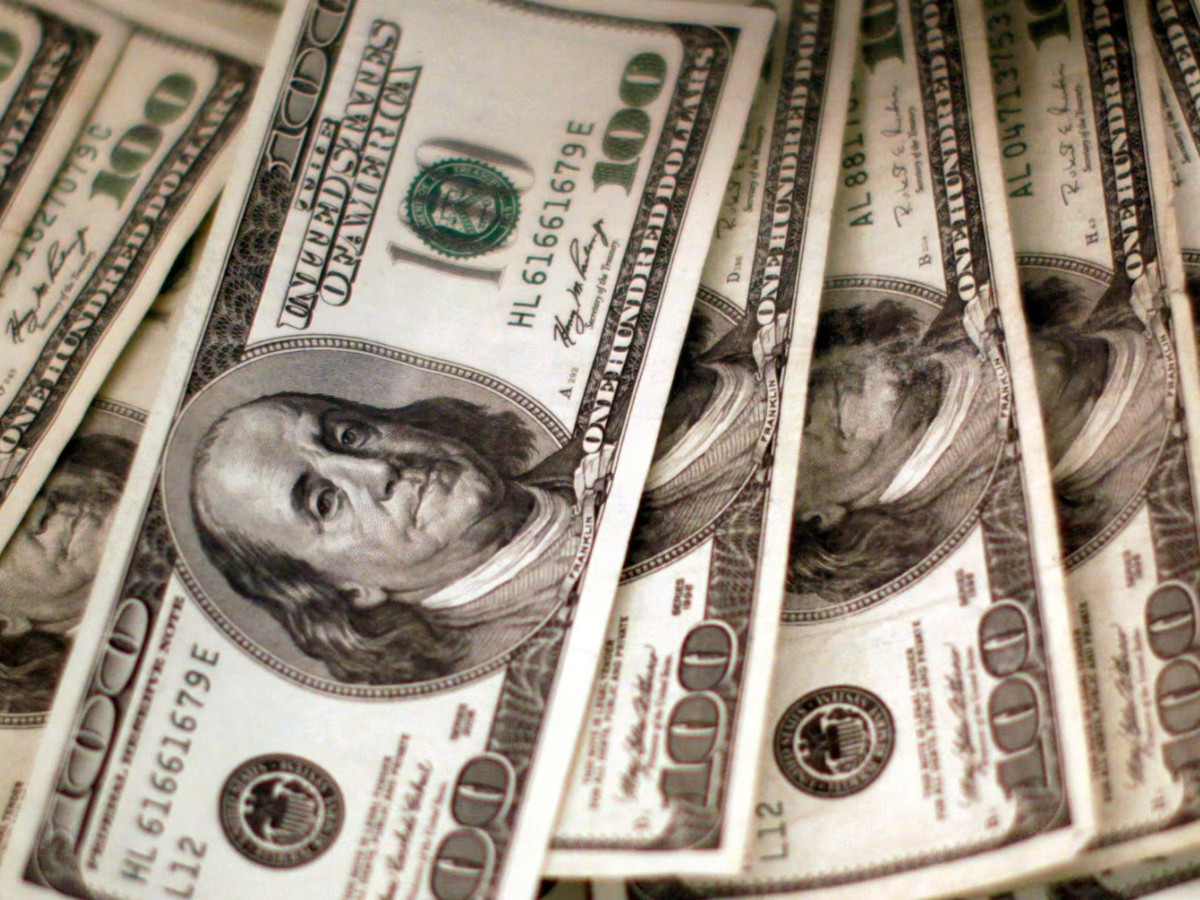
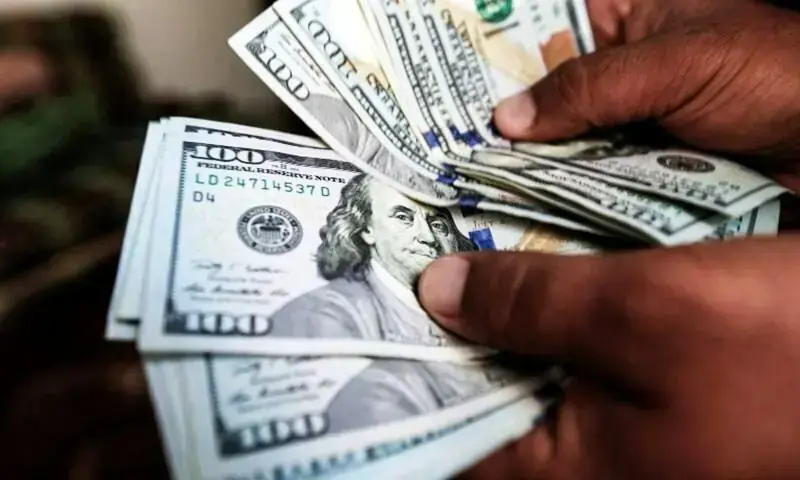
Investors turn to dollar as Middle East conflict sparks safe haven debate
Amid Middle East turmoil, investors are reassessing safe haven assets. The US dollar has outperformed gold and bonds, with demand focused on short-term cash. Gold has shown volatility, complicating its role as a protective asset.

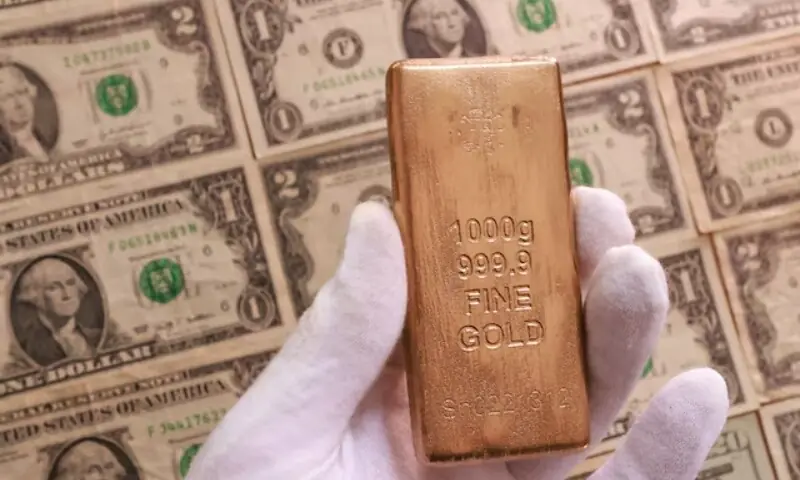
Amid ongoing turmoil in the Middle East, investors are once again seeking safe havens for their assets, with renewed debate over which options offer the most protection during periods of heightened uncertainty. Traditional refuges such as gold, bonds, and the US dollar have shown mixed performance, with recent developments challenging long-held assumptions about their reliability.
Dollar outperforms other safe havens
The US dollar has emerged as the strongest performer among safe haven assets this week. The dollar index, which measures the US currency against a basket of six major currencies, has risen by 1.5 percent. This increase is notable, as the dollar has even gained ground against the Swiss franc and Japanese yen—currencies that typically see inflows during times of market stress.
The demand is specifically for short-term dollar cash, rather than other dollar-denominated assets. Flow data indicates that investors are prioritizing liquidity and immediate safety, rather than seeking longer-term investments in US assets.
Gold and bonds show volatility
Gold, another traditional safe haven, has experienced sharp swings in value during the current crisis. While often considered a reliable store of value, its recent volatility has complicated its role as a protective asset. The unpredictable behavior of gold in this environment has led some investors to reconsider its effectiveness as a hedge against geopolitical risks.
Bonds, too, have not provided the stability some investors expected. The performance of these assets has varied, further fueling the debate over the best strategies for preserving capital during periods of global tension.
Changing dynamics in safe haven assets
Sources note that the dollar's resurgence is particularly significant given its weaker performance following last April's tariff-related market declines, which had previously raised questions about its status as a safe haven. The current crisis, however, appears to have restored investor confidence in the dollar's protective qualities, at least in the short term.
As the situation in the Middle East continues to evolve, investors are closely monitoring the behavior of traditional safe haven assets. The ongoing debate underscores the challenges of navigating financial markets during periods of geopolitical uncertainty, with no single asset offering guaranteed protection.
Comments
No comments yet. Be the first to join the discussion!