March 4, 2026
AI-Driven Disinformation Clouds Nepal's Landmark Election
Nepal's upcoming election faces a surge of AI-generated disinformation on social media, with experts warning about low digital literacy and limited monitoring capacity.

March 4, 2026
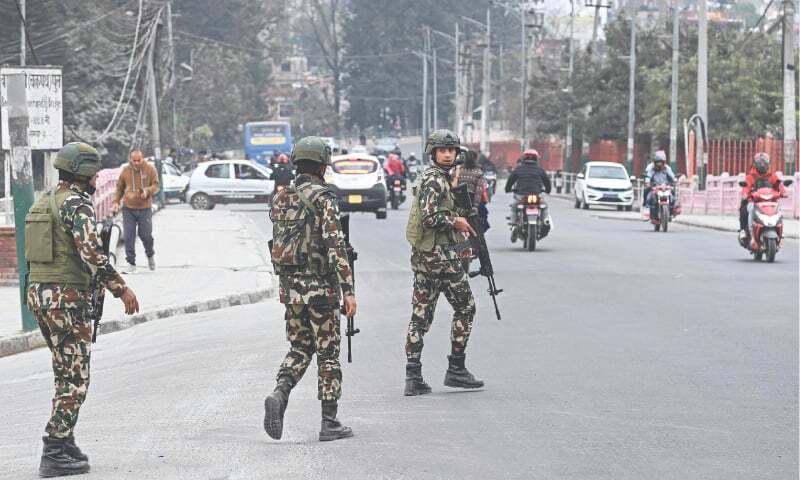
KATHMANDU: Nepal's upcoming election has been marked by a significant rise in AI-generated disinformation circulating across social media platforms, familiar with the situation. The country is set to vote on Thursday in its first national polls since protests in September 2025 led to the government's ouster following a temporary social media ban.
Reports indicate that the September protests were largely driven by young, tech-savvy citizens frustrated by persistent job shortages and widespread corruption among the older political leadership. In the lead-up to the election, political parties from across the spectrum have increasingly turned to social media to promote their platforms and attract voters, particularly targeting the youth demographic. This has coincided with a notable increase in first-time voter registrations.
However, experts and fact-checkers have raised concerns about the authenticity of much of the content being shared online. Deepak Adhikari, editor of the independent NepalCheck team, stated, "In a country where digital literacy is low, people believe what they see." This sentiment was echoed by Kathmandu-based technology policy researcher Samik Kharel, who described the pre-election environment as a "digital battleground." Kharel warned that Nepal currently lacks the necessary expertise to effectively monitor and counter the surge of AI-generated misinformation.
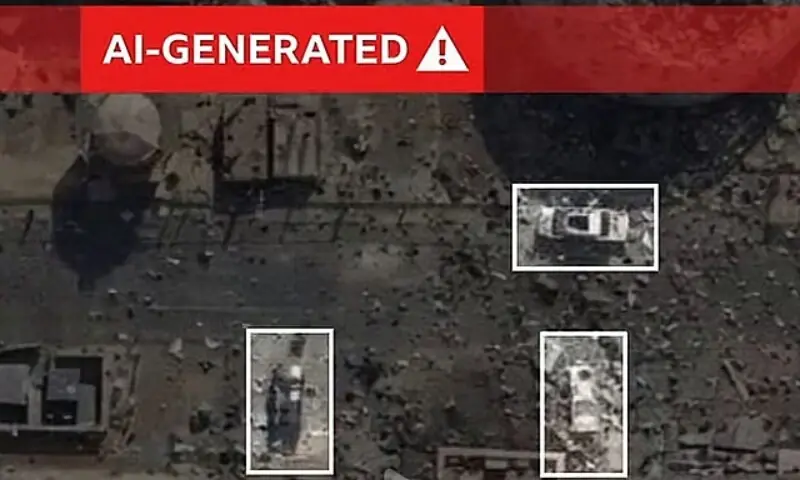
Fact-checkers have identified manipulated and fabricated content circulating widely, with some posts designed to mislead voters or sway public opinion. The proliferation of such material has heightened concerns about the potential impact on the integrity of the electoral process.
As Nepal prepares for its landmark vote, the challenge of combating digital disinformation remains a significant issue. Observers note that the combination of low digital literacy and the rapid advancement of generative AI technologies has created a complex environment for both voters and authorities.
0 Comments
No comments yet. Be the first to join the discussion!