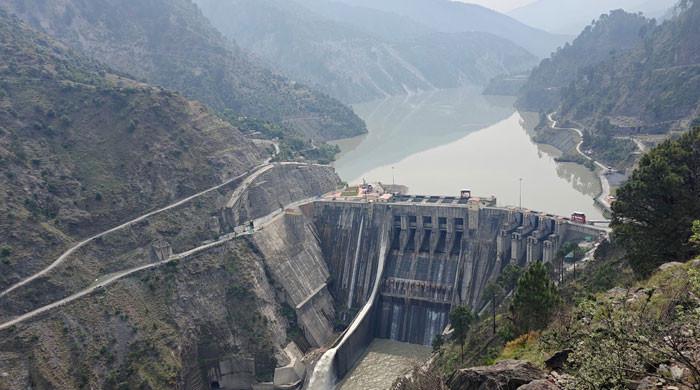
‘Plan ready for diversion’: Indian minster threatens to block Indus waters to Pakistan
Indian Minister CR Patil has announced a plan to divert Indus River waters to India, raising concerns over regional stability and the future of the Indus Waters Treaty.
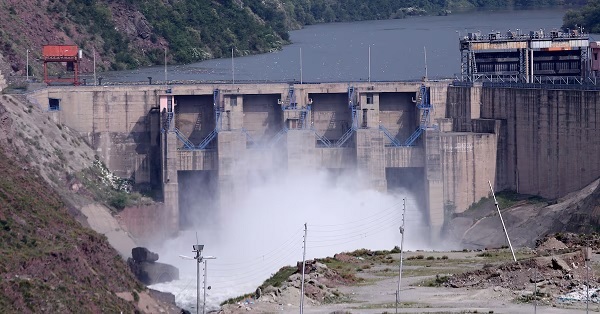
NEW DELHI: In a provocative statement raising serious concerns for regional stability, Indian Minister CR Patil has claimed that water from the Indus River will no longer be allowed to flow to Pakistan, asserting that New Delhi has made preparations to divert it for India’s own use.
The India’s Jal Shakti minister, speaking to reporters at the BJP headquarters in Jaipur, said a Detailed Project Report (DPR) has been prepared to ensure diversion of Indus waters, adding that Haryana, Punjab, Rajasthan and Delhi would benefit from the additional supply. He said work on the Yamuna water project would also be expedited to improve water availability in these states.
Patil claimed that significant technical work had been undertaken to ensure Rajasthan receives its share of what he described as “surplus” water, noting that the revised DPR was under examination. He said Haryana and Rajasthan had agreed to cooperate in preparing DPRs, while the proposed pipeline scheme was estimated to cost between Rs 77,000 crore and Rs 1 lakh crore. The stated objective, he added, was to ensure adequate water for agriculture and drinking purposes.
The Indian minister also said that New Delhi had, for the first time, offered up to 50 percent financial assistance under the Jal Jeevan Mission to support states in providing household water connections. He criticised previous governments for what he termed a failure to utilise water resources, particularly for Rajasthan, which faces acute water shortages.
Observers note that Patil’s remarks come against the backdrop of the Indus Waters Treaty (IWT), signed in 1960 between India and Pakistan, which is regarded as one of the most durable water-sharing agreements in the world. Under the treaty, the three western rivers—Indus, Jhelum and Chenab—were allocated to Pakistan for unrestricted use, while India was granted control over the eastern rivers—Ravi, Beas and Sutlej.
The western rivers flow through Indian illegally occupied Jammu and Kashmir before entering Pakistan and hold immense strategic and economic significance.
Comments
No comments yet. Be the first to join the discussion!