Basant’s careful return
Basant's return to Lahore over the long weekend marked a significant moment of nostalgia and safety. Despite past tragedies, the festival thrived with community compliance and economic benefits.
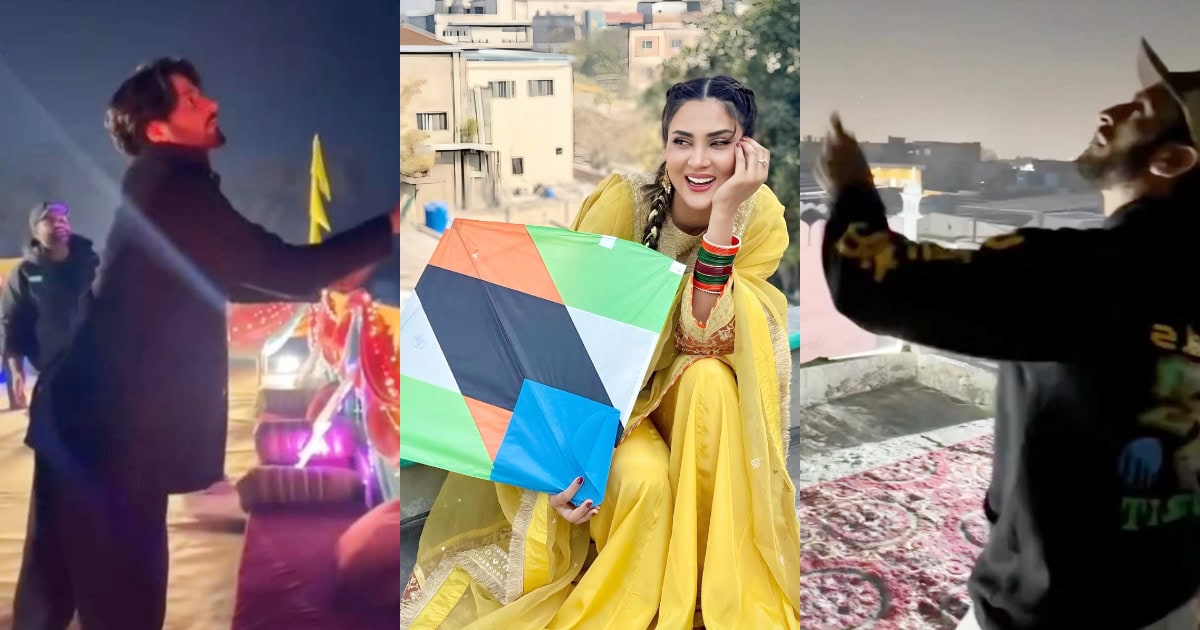
The return of Basant to Lahore over the long weekend brought feelings of both nostalgia and anxiety for those that remember the festival in all its glory. While the sight of Lahore's skies filled with kites were reminiscent of yesteryears, there was also the all too familiar worry of illegal chemical kite strings slashing the throats of motorcyclists — a worrying and shocking reality that first led to the festival being banned nearly two decades ago.
That is why the government breathed a sigh of relief when the three days of festivities passed without any major incidents.
For a city that has long carried the memory of what came to be grimly known as Bloody Basant, the absence of deaths from kite-string injuries marked a significant break from the past. It did not mean the weekend was entirely free of tragedy or mishap, but it did suggest that regulation, enforcement and public compliance can coexist with celebration. That lesson alone is worth holding on to.
The provincial government’s handling of the event showed a level of coordination that has often been missing from large public gatherings. A visible security presence, traffic management, real-time monitoring and the insistence on safety measures such as protective rods on motorcycles reflected a recognition that nostalgia cannot come at the cost of lives. Just as important was the willingness of citizens to comply. Laws and standard operating procedures matter little if they are treated as optional, and this time they were not.
Beyond safety, Basant’s return also reactivated a slice of Lahore’s informal economy that had remained dormant for years. Kite makers, string sellers, rooftop vendors, food stalls and transport services all benefited from the surge in activity. For many small traders, the festival offered more than entertainment; it provided income at a time when economic pressures remain acute. Cultural events, when managed responsibly, can act as modest but meaningful economic stimulants.
Equally significant was the way a younger generation encountered Basant not through family stories or old photographs, but firsthand. For many in Gen Z, this was their first experience of a festival that had survived only in memory. Seeing children and families outdoors, away from screens, engaging with a shared cultural ritual underscored why such traditions matter. They build social bonds and a sense of continuity that no digital substitute can fully replicate.
The international attention the festival received should also prompt longer-term thinking. Lahore’s cultural calendar has the potential to be a serious tourism draw, not through spectacle alone but through careful branding of its history, food, music and festivals. Basant, if institutionalised with clear rules and consistent enforcement, could become a recurring focal point for cultural tourism rather than a risky exception.
The chief minister’s decision to cancel official Basant celebrations following a terrorist attack on a Shia mosque in Islamabad was also a measured call. It acknowledged national grief and security realities without attempting to police private joy. That balance — between sensitivity and restraint — matters in a country where public decisions are often seen as all-or-nothing.
Basant’s cautious revival does not mean the debate is settled. Safety lapses, enforcement gaps and unequal accountability still demand scrutiny. But this weekend showed that with seriousness and restraint, Lahore can celebrate its past without repeating its mistakes. That, in itself, is progress worth protecting.

The Editorial Department of Pakistan Today can be contacted at: [email protected].
View all articles →Comments
No comments yet. Be the first to join the discussion!