



















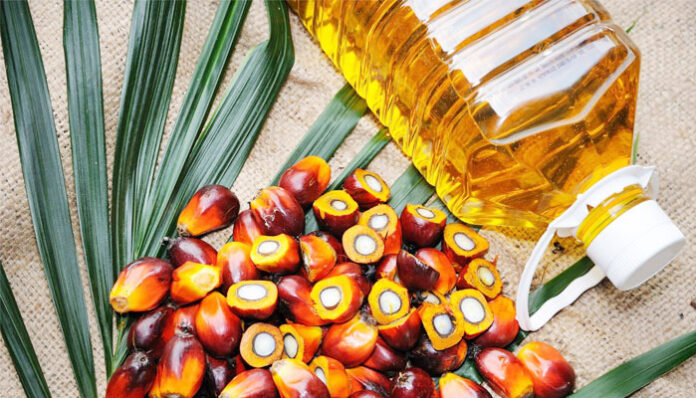
The palm oil industry serves as a backbone in the economic and food security of Pakistan. It serves as a strong anchor in the relations of Pakistan and Southeast Asia. The import of palm oil from the two largest exporters of the world, Indonesia and Malaysia, to Pakistan serves as a strong bond between these two regions. This trade relationship has evolved beyond a transactional exchange, emerging as a strategic economic anchor that opens avenues for cooperation in agriculture, energy, sustainability, and industrial development. Therefore, this economic cooperation opens avenues for further cooperation in different sectors between Pakistan and the countries of Southeast Asia.
The palm oil trade is the bedrock of Pakistan-ASEAN relations, but it can no longer be a one-way street of consumption. As we navigate the supply uncertainties of 2026, Pakistan must transition from a passive buyer to a strategic partner. This involves balancing the trade deficit through CEPA negotiations, investing in local refining capacity, and acknowledging that sustainability is the future of the commodity
Indonesia stands as the largest supplier of palm oil to Pakistan. According to the statistics, the palm oil trade between Indonesia and Pakistan in September 2025 was $481 million. An increase of almost $200 million has been witnessed from September 2024. The quantity of palm oil imported also increased from September 2024 to September 2025, from 266,218 metric tonnes to 343,162 metric tonnes.
As Pakistan has a large consumer industry of edible oil, palm oil serves as a primary ingredient for most of the refined goods, such as banaspati ghee, cooking oils, bakery fats, and instant foods. Thus, 75 percent of the total palm oil consumed in Pakistan comes from Indonesia. It is not only the source of economic growth and a mere commodity, but it is a strong source of stability. The Indonesian palm oil industry ensures that the most important item of household use is available at an affordable price in Pakistan.
Pakistan and Malaysia also share a strong bond through the trading of palm oil between the two. Malaysia is the second largest exporter of palm oil to Pakistan. Despite the covid-19 epidemic, where every other industry was shut down and faced disruption, the edible oil industry was still working and importing palm oil from Malaysia. Thus, this import not only helped Pakistan’s economy but also helped Malaysia’s economy. In 2024, Malaysia’s export of palm oil to Pakistan was worth $344.61 million.
This source of import also opens avenues for further cooperation between the countries of Southeast Asia and Pakistan. With the support of Indonesian experts, palm oil cultivation projects have been set up in Sindh and Balochistan. If the projection is done on a large scale, then it can create more job opportunities, allow investment from other countries as well, and decrease the price of edible oil for local people.
In this regard, the recent visit of Indonesia’s deputy trade minister to Pakistan highlighted that Pakistan’s market, industry, and consumers are strategically important for Indonesia. To strengthen this bilateral relationship, agreements and MoUs were signed. Both sides also explored cooperation in refining, halal certification, sustainability, and port logistics.
Also, the visit of Indonesian President Prabowo Subianto to Islamabad in December 2024, and subsequent ministerial follow-ups in early 2026, have accelerated the transformation of the Indonesia-Pakistan Preferential Trade Agreement (IP-PTA) into a Comprehensive Economic Partnership Agreement (CEPA), targeted for completion by 2027.
This trajectory of trade between Indonesia and Malaysia shows that cooperation between Pakistan and the Southeast Asian region is not new and dates back in history. This single palm oil industry opens large avenues for further cooperation. Indonesia and Pakistan can enter into an expansion of biodiesel manufacture. Thus, the palm oil industry can be used in the energy sector. The B40 initiative, taken by Indonesia in 2025, blends 40 percent palm-based biofuel with diesel, producing 4.3 million kilolitres and saving an estimated Rs 147.5 trillion in foreign exchange while reducing carbon emissions. This can promote sustainable agricultural practices in Pakistan. It can reduce Pakistan’s dependency on fossil fuels and can help in lowering carbon emissions.
The traditional model of importing refined palm oil is a drain on foreign exchange. The way forward lies in joint ventures. By establishing refining facilities at Gwadar or Port Qasim with Indonesian and Malaysian investment, Pakistan can import CPO (which is cheaper than refined oil), process it locally, and potentially re-export finished products to Central Asian markets. This turns a “cost centre” into a “value hub.”
With the European Union’s Deforestation Regulation (EUDR) coming into full effect, Southeast Asian producers are under immense pressure to prove sustainability. Pakistan should not view this as a Western concern. By adopting RSPO (Roundtable on Sustainable Palm Oil) standards now, Pakistani refiners can ensure they are not cut off from global supply chains if Indonesia or Malaysia are forced to prioritize sustainable-certified buyers. The recent MoU between the Indonesian Palm Oil Association (GAPKI) and the Pakistan Edible Oil Refiners Association (PEORA) on “Palm Oil Education” is a step in the right direction but must be followed by technical compliance.
The foreign exchange crisis in Pakistan remains the single biggest hurdle to trade stability. To mitigate this, both nations should explore currency swap arrangements or barter trade mechanisms. During periods of high volatility, trading Pakistani rice or kinnows directly for Indonesian palm oil could bypass the “dollar-dependency” that often halts shipments and leads to local shortages.
The palm oil trade is the bedrock of Pakistan-ASEAN relations, but it can no longer be a one-way street of consumption. As we navigate the supply uncertainties of 2026, Pakistan must transition from a passive buyer to a strategic partner. This involves balancing the trade deficit through CEPA negotiations, investing in local refining capacity, and acknowledging that sustainability is the future of the commodity.
The “Golden” dependency is inevitable for the next decade, but with the right policy interventions, it can be transformed from a burden on the national exchequer into a catalyst for regional economic integration.





your article is amazing, i enjoy reading it, i want you to add me as your followers, how often do you post ? my blog is the top growing directory platform in germany, lokando24.de you can check it out. Thank you
your article is amazing, i enjoy reading it, i want you to add me as your followers, how often do you post ? my blog is the top growing directory platform in germany, lokando24.de you can check it out. Thank you
your article is amazing, i enjoy reading it, i want you to add me as your followers, how often do you post ? my blog is the top growing directory platform in germany, lokando24.de you can check it out. Thank you
your article is amazing, i enjoy reading it, i want you to add me as your followers, how often do you post ? my blog is the top growing directory platform in germany, lokando24.de you can check it out. Thank you
your article is amazing, i enjoy reading it, i want you to add me as your followers, how often do you post ? my blog is the top growing directory platform in germany, lokando24.de you can check it out. Thank you