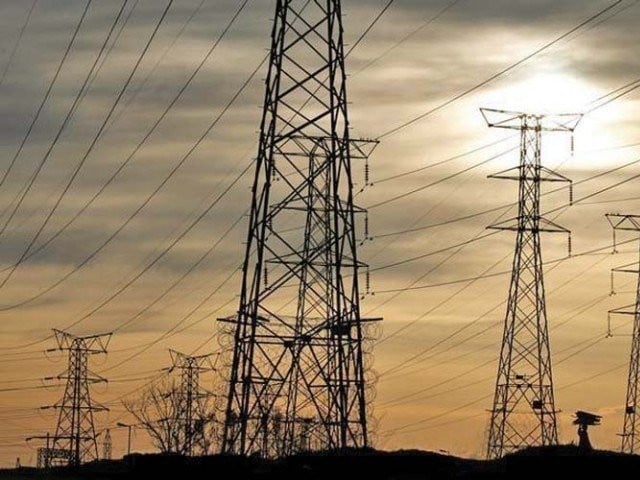
Power problems
NEPRA has proposed switching the present net metering offered to solar power producers who have retained their grid connections to gross metering, and that the tariff offered to these producers should come down to Rs 11.30 per unit. Presently, the amount paid to consumers is set off against their bill the very same month, based on the units consumed. The new system might allow for a lag in billing, which one can be sure will not be exploited by the consumer. The tariff offered to the consumer is to be good for five years, following which there could be an enhancement. All that is being done is to make it more feasible for the consumer to turn to a storage solution, which would allow him independence of expensive grid electricity, At present, solar power consumers may stay on the grid because they want the back-up provided for times the sun is not out (like the night-time), but storage solutions are becoming more easily available. They no longer cost an astronomical sum, and despite their maintenance issues, will begin to look more feasible the higher the tariff that the DISCOs charge.
WAPDA, the DISCOs and the Power Division seem to be persisting in the mistake they made when solar power first started gaining traction. They did not seem to realize that consumers were making the switch because it was economically beneficial. True, solar power is not dependable, especially in winter or in the monsoon, but once the storage problem is licked, the present high tariffs will drive consumers away. Instead of behaving competitively, and lowering tariffs so that only dedicated environmentalists (of which there is shortage inPakistan) opt for solar power, NEPRA and the rest try to use main force, in the shape of solar buyback tariffs, to force the consumer into an inequitable arrangement.
The pity of it all is that this insistence of grid power is keeping up the import bill. Prime Minister Shehbaz Sharif has stressed the need to lower tariffs for industry to the level prevailing throughout the region. There is thus an urgent need to move away from expensive thermal energy to cheap renewables (which have no import costs). So far, industries have not opted for solar power in a big way. The DISCOs need to lower tariffs before there is an exodus off the grid of industrial consumers, which have been forced for economic rather than environmental reasons.

The Editorial Department of Pakistan Today can be contacted at: [email protected].
View all articles →Comments
No comments yet. Be the first to join the discussion!