














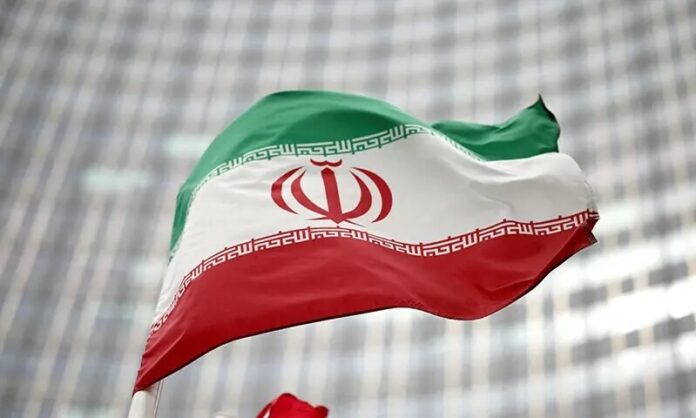
The government led by Narendra Modi is facing sharp criticism at home after India pulled out of the Chabahar port agreement with Iran, a move opponents describe as a strategic setback rather than a calculated foreign policy decision.
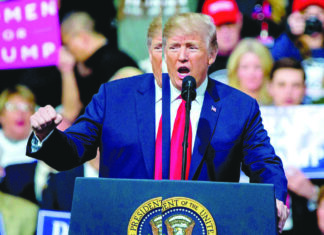
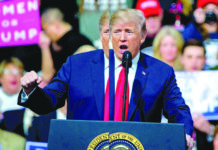
New Delhi exited the project after the United States imposed a 25 percent tariff on countries conducting business with Tehran, according to a report by The Economic Times. The withdrawal reportedly resulted in losses of around 120 million dollars already paid to Iran, with no formal announcement made by the Indian government.
The funds had been transferred before the disengagement and are now considered irrecoverable. India had taken responsibility in 2024 for developing Chabahar Port under a ten-year agreement aimed at expanding regional connectivity.
Following the decision, the state-run firm overseeing the project, India Ports Global Limited, saw its entire board resign, while its official website was taken offline, further fueling concerns over the handling of the exit.
The opposition Indian National Congress strongly criticised the move, with party leader Pawan Khera calling it a serious blow to India’s foreign policy standing. The party accused the government of yielding to pressure from Washington and abandoning a project it had previously promoted as strategically vital.
Critics also pointed out that the withdrawal effectively hands full discretion over the port’s development to Iran, as the previously paid funds can now be used independently by Tehran.
Foreign policy observers described the exit as another setback for India’s regional ambitions, warning that it raises fresh questions about New Delhi’s long-term role at Chabahar. Some analysts also argued that the abrupt disengagement has intensified scrutiny over India’s intentions at the port, with concerns that the project was primarily pursued to secure control rather than foster regional cooperation.