
















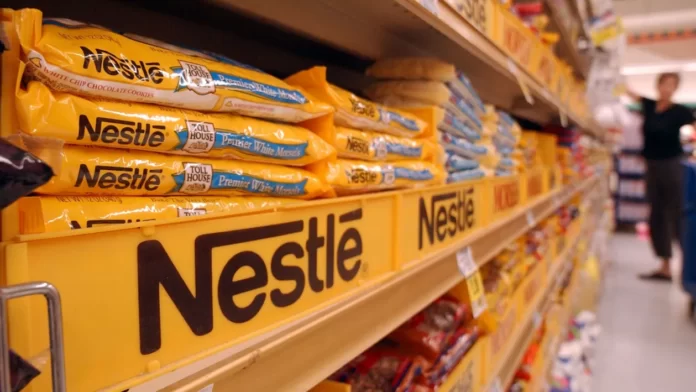
Nestlé has announced a global recall of certain batches of its baby formula products due to concerns that they may contain a toxin that can cause food poisoning. The company confirmed that specific batches of its SMA infant formula and follow-on formula were found to be unsafe for babies.
The affected batches were sold worldwide and may contain cereulide, a toxin produced by some strains of the Bacillus cereus bacteria. Consuming cereulide can lead to nausea, vomiting, and stomach cramps. While Nestlé stated that there have been no confirmed reports of illness linked to the products, it is recalling them “out of an abundance of caution.”
The company reassured customers that the safety and well-being of babies remains its top priority. Nestlé also apologized for any concerns or inconveniences caused to parents, caregivers, and customers.
The recall is global and includes countries across Europe, such as France, Germany, Austria, Denmark, Italy, and Sweden. Nestlé emphasized that all other products and unaffected batches of the same formulas are safe for consumption. Additionally, the company is offering refunds to customers.
The recall was triggered by an ingredient provided by one of Nestlé’s suppliers. In France, the recalled products include certain batches of the Guigoz and Nidal infant formulas, while in Germany, the products affected are Beba and Alfamino formulas.
Parents and caregivers are advised to check the batch numbers on the products they purchased. In the UK, batch numbers can be found on Nestlé’s UK website or through food.gov.uk. Affected products can be identified by the code on the base of the tin or box for powdered formulas or the outer box for ready-to-feed formulas.
Cereulide is a toxin that is not easily deactivated by boiling water or cooking, making it a particular concern for baby formula preparation. The Food Standards Agency (FSA) warned against feeding infants or young children the affected products.
FSA’s head of incidents, Jane Rawling, reassured parents and caregivers that urgent action is being taken to remove the affected products from sale. She also advised anyone who has already fed the affected product to a baby to seek advice from healthcare professionals, such as their GP or NHS 111, if they have concerns about potential health impacts.




Kindly list of products of effectively with batches no