












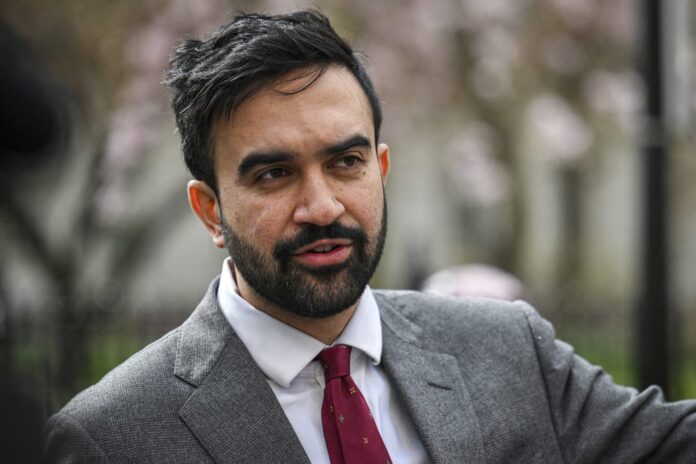
NEW YORK: The streets of New York buzzed with an electric energy on November 5 as Zohran Mamdani made history, becoming the city’s first-ever Muslim South Asian mayor. The 34-year-old democratic socialist from Queens, the son of Ugandan-Indian immigrants, has now become a symbol of change, hope, and possibility. His rise from a little-known assemblyman to mayor in just one year has left many in awe, not only in New York but around the world.
With nearly 70% of his voters under 30, Mamdani’s victory is a resounding testament to the power of young, progressive voices. His campaign resonated deeply with immigrant communities, especially those who’ve long been overlooked in the city’s political sphere. “Seeing someone who shares similar values, background, and culture in a position of power feels very grounding and affirming. It shows that we belong here and that our voices matter,” said Dr. Sayali Karke, a medical professional from India.
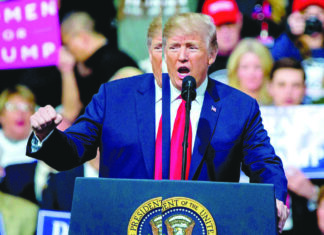
Yet, Mamdani’s victory is just the beginning of what promises to be a tumultuous journey. The first test came swiftly. In his inaugural speech as mayor, Mamdani addressed President Donald Trump directly, challenging the leader’s attacks on the city with a bold declaration: “This is not how we stop Trump; this is how we stop the next one. So, Donald Trump, since I know you’re watching, I have four words for you: turn the volume up.” The crowd erupted, a mix of jubilation and defiance.
Mamdani’s audacious challenge to the president was met with a swift response on Trump’s Truth Social platform: “AND SO IT BEGINS!” With a target now painted squarely on his back, Mamdani will have to navigate not only the intricacies of city governance but also a potentially hostile federal administration. Trump has already threatened to withhold federal funds from New York City if Mamdani’s progressive agenda is enacted, though legally, it’s Congress — not the president — who holds the purse strings.
But the real battle for Mamdani isn’t just against political opponents. It’s also against a tide of Islamophobia that has dogged his campaign from the start. His Muslim identity, and that of his campaign team, was a source of both pride and peril. Many of his supporters endured racial slurs and discriminatory attacks. Zarah Shujjah, a Brooklyn resident, recalls being harassed by Islamophobic attackers while canvassing outside a mosque: “That incident gave me more conviction that we need a Muslim mayor. So, I showed up again the next day, and the next, and the next.”
Despite these challenges, Mamdani’s victory is a triumph of perseverance and representation. He now stands as the most powerful Muslim elected official in the country, a symbol of resistance to the rising tide of hate in the U.S. His election has given Muslim Americans a sense of pride and solace. “It’s shocking that I have seen a Muslim mayor in my 20s. It feels like a response to the polarising state of the country,” said Maria Mir, an immigrant from Pakistan.
But as Mamdani takes office, the reality of politics looms large. The expectations placed upon him are sky-high, and the promises made on the campaign trail now become moral contracts with voters. For a city long controlled by wealth and entrenched interests, Mamdani will need to balance bold reforms with the delicate art of compromise. His progressive platform, which includes universal free childcare, rent freezes, and reimagining the police, will face fierce resistance.
Though his story is inspiring, the road ahead is far from smooth. As New Yorkers, and the world, watch with bated breath, Mamdani must transition from idealistic campaigner to pragmatic leader, navigating political minefields while staying true to the change he promised. The stakes are high, but for now, there’s a sense of hope — that in a time of division, a new era is beginning to unfold.