Govt cuts petrol by Re1, raises diesel by Rs3.77 per litre
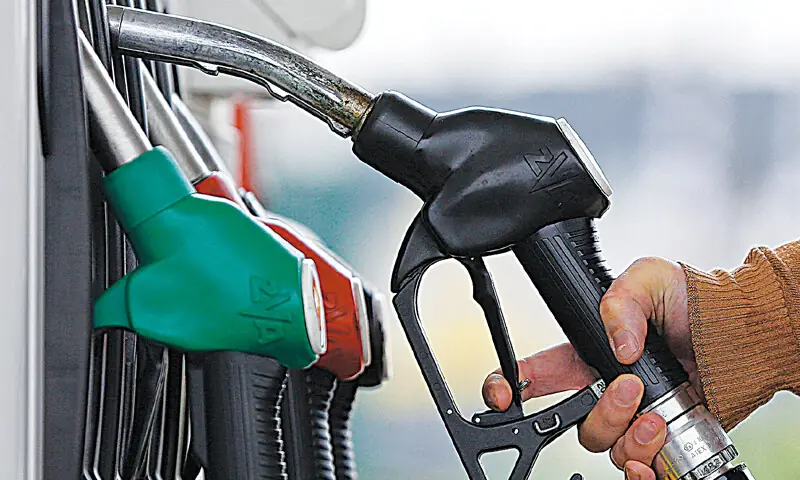
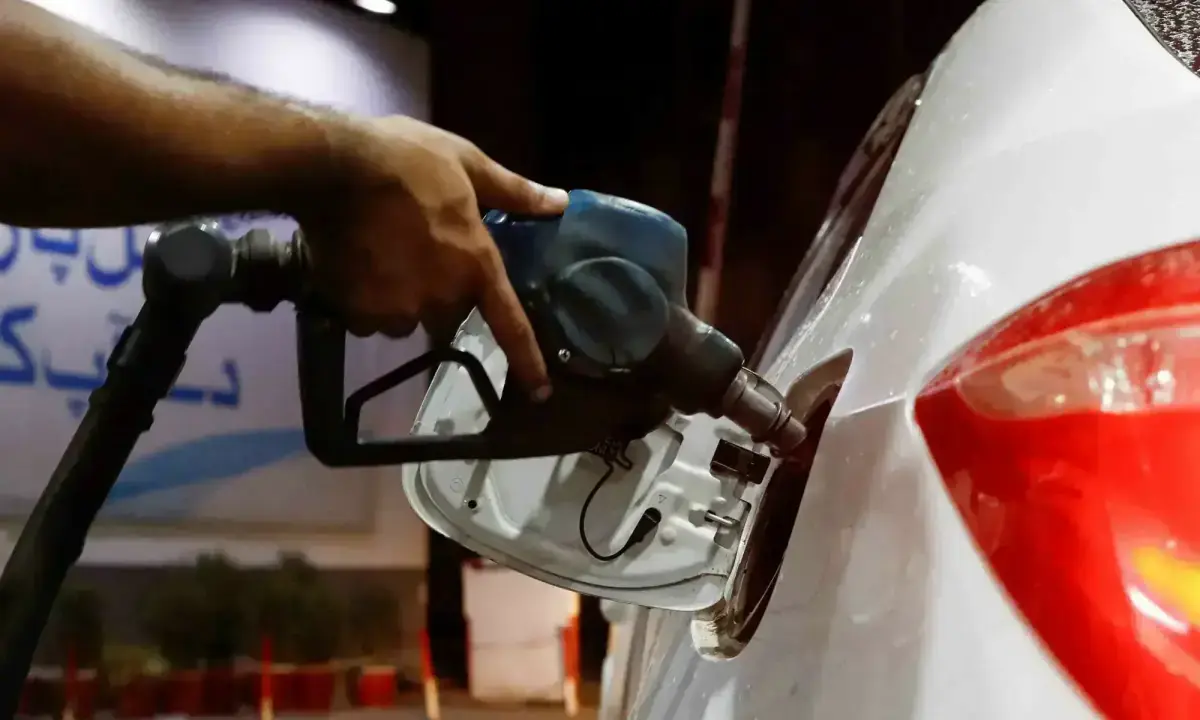
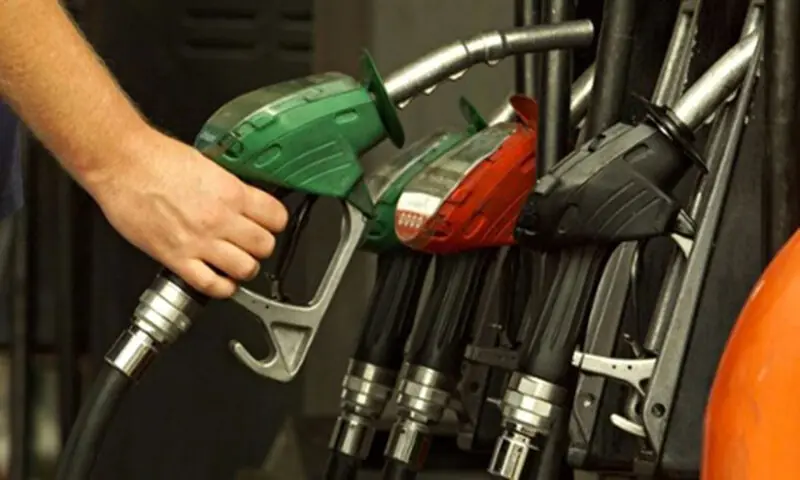
The government has reduced petrol by Re1 per litre and increased high-speed diesel by Rs3.77, with the new rates taking effect on July 28. Petrol will now sell at Rs334.18 per litre, while diesel will cost Rs386.83.

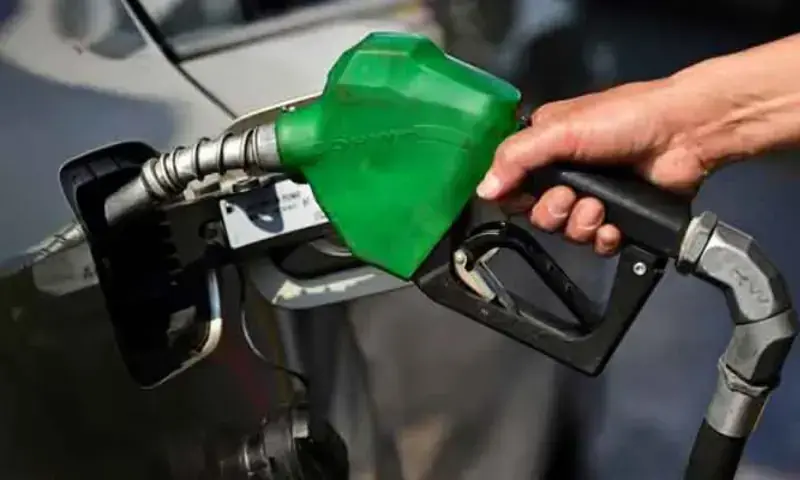
ISLAMABAD: The federal government has lowered the price of petrol by Re1 per litre while increasing high-speed diesel by Rs3.77 per litre, as Pakistan adjusts domestic fuel rates in line with shifting international oil prices amid renewed tensions in the Persian Gulf.
With the latest revision, petrol will now cost Rs334.18 per litre and high-speed diesel Rs386.83 per litre. A notification issued by the Petroleum Division said the new prices would take effect on July 28.
The government is charging a total of Rs110 per litre in taxes and duties on petrol and Rs96 per litre on diesel.
The latest change comes after recent volatility in global energy markets linked to hostilities involving Iran and the United States. Earlier, Petroleum Minister Ali Pervaiz Malik had announced that fuel prices would now be determined on a daily basis, with the Oil and Gas Regulatory Authority assigned to set rates based on international market trends.
Pakistan had shifted to weekly fuel price revisions in early March while also taking steps aimed at conserving supplies amid concerns over possible disruptions in oil flows from the Middle East. In April, the federal government also announced targeted relief measures to provide subsidised fuel.
Fuel prices had climbed sharply earlier in the year before easing from their peaks. Diesel had reached Rs520.35 per litre on April 3 after rising from Rs281 per litre on February 28, while petrol touched Rs458.41 per litre on April 3 after starting its upward rise from Rs266 in the first week of March.
The move toward daily pricing has drawn opposition from the All Pakistan Dealers Association, which has said it would consider a protest plan this week.
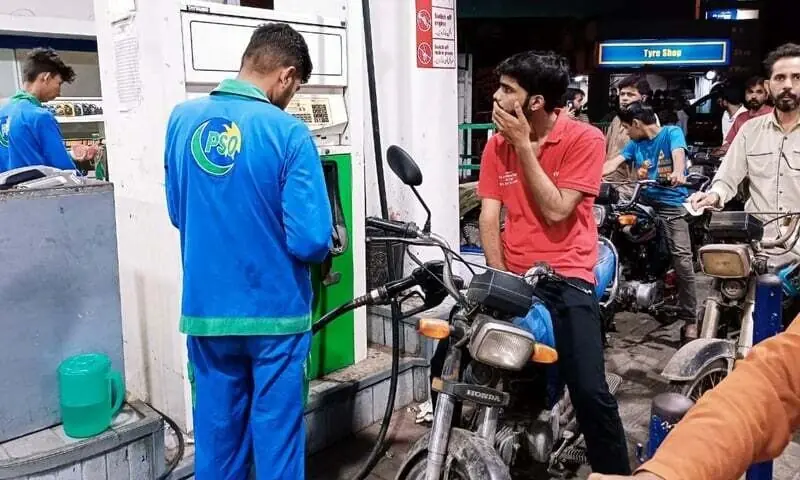
Petrol is widely used by private vehicles, motorcycles, rickshaws and small transport, making price changes especially significant for middle- and lower-middle-income households. Diesel rates have a broader effect across the economy because the fuel is used in heavy transport, power plants and large generators.
Petrol and high-speed diesel remain the country’s biggest petroleum revenue earners, with monthly sales of about 700,000 to 800,000 tonnes, compared with around 10,000 tonnes for kerosene.
Comments
No comments yet. Be the first to join the discussion!