KP dengue cases rise to 219 as hospitals withhold patient data
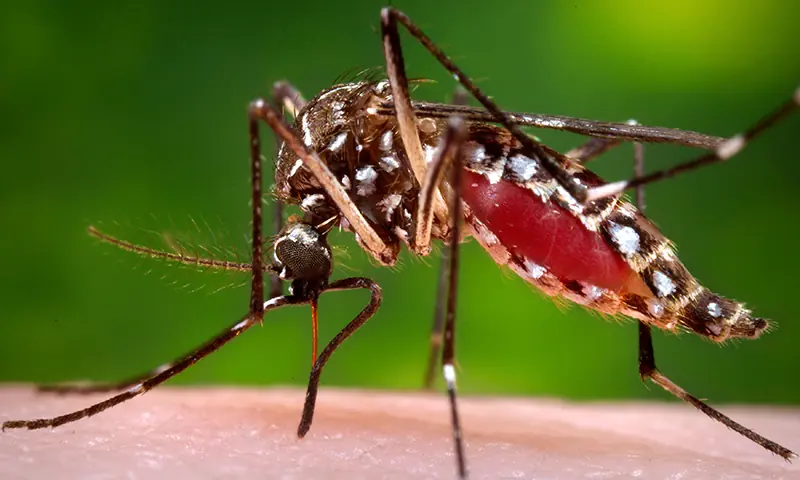
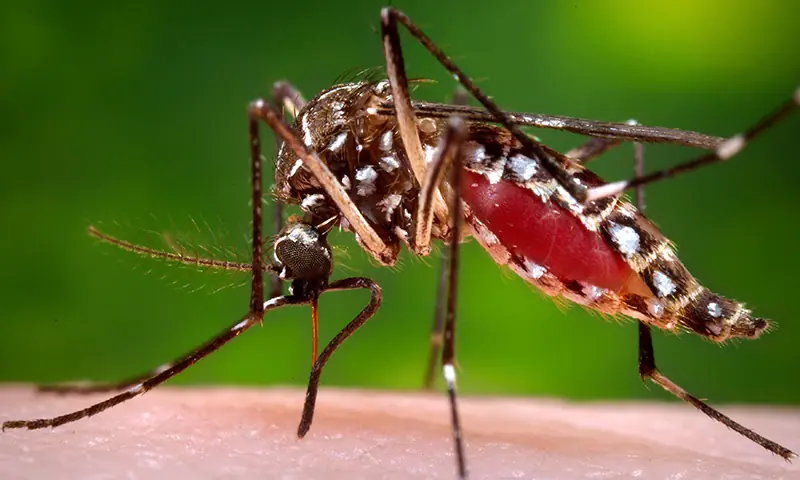
Dengue cases in Khyber Pakhtunkhwa have risen to 219, with Peshawar accounting for 114 infections. Health officials say poor data sharing by MTIs and private hospitals is undermining efforts to contain the disease.

PESHAWAR: Khyber Pakhtunkhwa’s dengue tally has climbed to 219 this week from 178 last week, even as the provincial health department struggles to obtain line-lists of suspected and confirmed cases from medical teaching institutions and private hospitals in Peshawar, hampering efforts to build a stronger prevention strategy.
Peshawar has reported 114 cases so far, followed by Kohat with 39, Bannu 11, Bajaur eight, Hangu seven and Swabi six. Karak, Mardan and Mohmand have each recorded five cases. A total of 1,175 suspected patients have been tested for the virus across the province.
Health officials say patient records are critical because anti-dengue work is guided by the detection of larvae and the identification of infected people, particularly in hotspot areas. They said that although meetings were held with directors of medical teaching institutions more than three months ago, requests for regular data sharing have not produced the desired response. One official said, "More than three months ago, meetings were held with directors of MTIs to request them to send data about dengue patients on regular basis but all such requests fell on deaf ears."
Officials said residents of Peshawar frequently seek treatment at Lady Reading Hospital, Khyber Teaching Hospital and Hayatabad Medical Complex, making timely reporting from those facilities especially important for tracing cases and targeting preventive action in affected localities. They added that private hospitals were also not sharing data despite repeated requests.
Before the Medical Teaching Institutions Reforms Act was introduced in 2015, teaching hospitals in Peshawar functioned directly under the health department, which could issue public health directives for immediate compliance. Officials say that arrangement changed after the hospitals became MTIs run by their respective Boards of Governors, reducing the department’s direct administrative control.
The provincial government began work on the Dengue Action Plan 2026 in January, and officials say accurate case records, including patients’ addresses, are essential to limit further spread of the mosquito-borne disease, particularly during the monsoon when stagnant water can create breeding sites.
Surveillance teams have destroyed larvae mechanically and chemically in 11 districts. Under the Integrated Disease Surveillance and Response System, more than 82,000 awareness sessions on dengue causes and prevention have been held, including participation by women in affected areas. Trained workers were deployed in villages and eliminated larvae in 911 containers out of a total 11 million checked, as well as at 136 sites identified as breeding spaces for mosquitoes.
Officials said Peshawar has been the province’s main dengue hotspot in most years because of its history of outbreaks. In 2017, the disease sent thousands of people to hospitals in the city, with patients treated in corridors. They said the only exception was 2026, when two union councils in Charsadda district saw an outbreak that infected more than 1,000 people.
District health officers and medical superintendents have also been asked to send samples from probable patients to the Public Health Reference Lab at Khyber Medical University through courier service.
Comments
No comments yet. Be the first to join the discussion!