

KP seeks fuller dengue case data from hospitals as infections rise to 178
Khyber Pakhtunkhwa has recorded 178 dengue cases so far this year, with Peshawar accounting for 96. Health officials are seeking complete patient data from hospitals to strengthen tracing and prevention efforts.

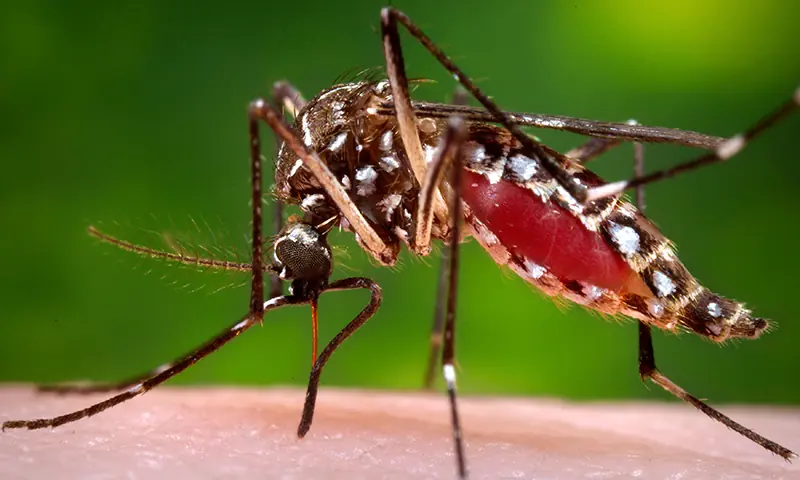
PESHAWAR: The Khyber Pakhtunkhwa health department is worried about incomplete reporting of dengue patients by medical teaching institutions as the province records a modest increase in infections, according to officials and surveillance data cited in a report.
So far this year, KP has confirmed 178 dengue cases. Peshawar has reported the highest number with 96 cases, followed by Kohat with 25 and Bannu with nine, while Mohmand and Karak have each recorded five infections. Sources said the disease had been detected in 17 districts, though the spread remained mild.
The department has been asking medical teaching institutions to provide complete line-lists of dengue patients, particularly their addresses, so health teams can trace contacts and carry out preventive steps in affected localities. Officials say timely information is needed to help workers move quickly to areas where infections are being reported and reduce the risk of further transmission.
Peshawar has remained the main focus of dengue control efforts for the past decade and has usually accounted for the largest share of cases, except last year when Charsadda saw the highest number during a severe outbreak there. Sources said several villages in Peshawar have remained dengue hotspots, while medical teaching institutions are the main facilities where patients seek testing.
Surveillance and prevention measures
A report issued by the Integrated Disease Surveillance and Response System at the Directorate General Health Services said field teams have been inspecting homes and outdoor locations for mosquito larvae. 835,558 containers had been checked so far, and larvae found in 502 of them had been destroyed.
Larvae were eliminated chemically in 297 of 242,763 houses inspected, while 260 positive outdoor sites were also sprayed. Sources said the department had obtained chemicals for treatment of positive sites and its staff continued inspections, but added that fuller case information from medical teaching institutions would make interventions more targeted.
The surveillance report also said 53,882 community awareness sessions had been held, attended by 203,775 women and 38,741 men. In addition, 40 awareness walks were conducted in hotspot areas. The department was facilitating transportation of samples to the Public Health Reference Laboratory at Khyber Medical University, where 178 positive cases were confirmed out of 954 suspected cases.
Past outbreaks and current concern
Last year, the province recorded 6,281 dengue cases and four deaths. In 2017, Peshawar experienced its worst dengue outbreak, when hospitals came under heavy pressure and 70 people died.
Officials said dengue has become a recurring public health challenge in the province, but public awareness of preventive steps has improved over time. Health professionals are now better able to manage cases, which has helped keep infections and deaths lower than during previous major outbreaks. The department, they said, is relying heavily on timely data sharing by medical teaching institutions and private hospitals to prevent a larger resurgence.
Comments
No comments yet. Be the first to join the discussion!


