Elizabeth Warren urges tougher AI disclosure rules in North America trade pact
US Senator Elizabeth Warren has urged the Trump administration to reject efforts by major AI firms to weaken disclosure rules in the USMCA. She called for broader regulatory access to AI model information across North America.

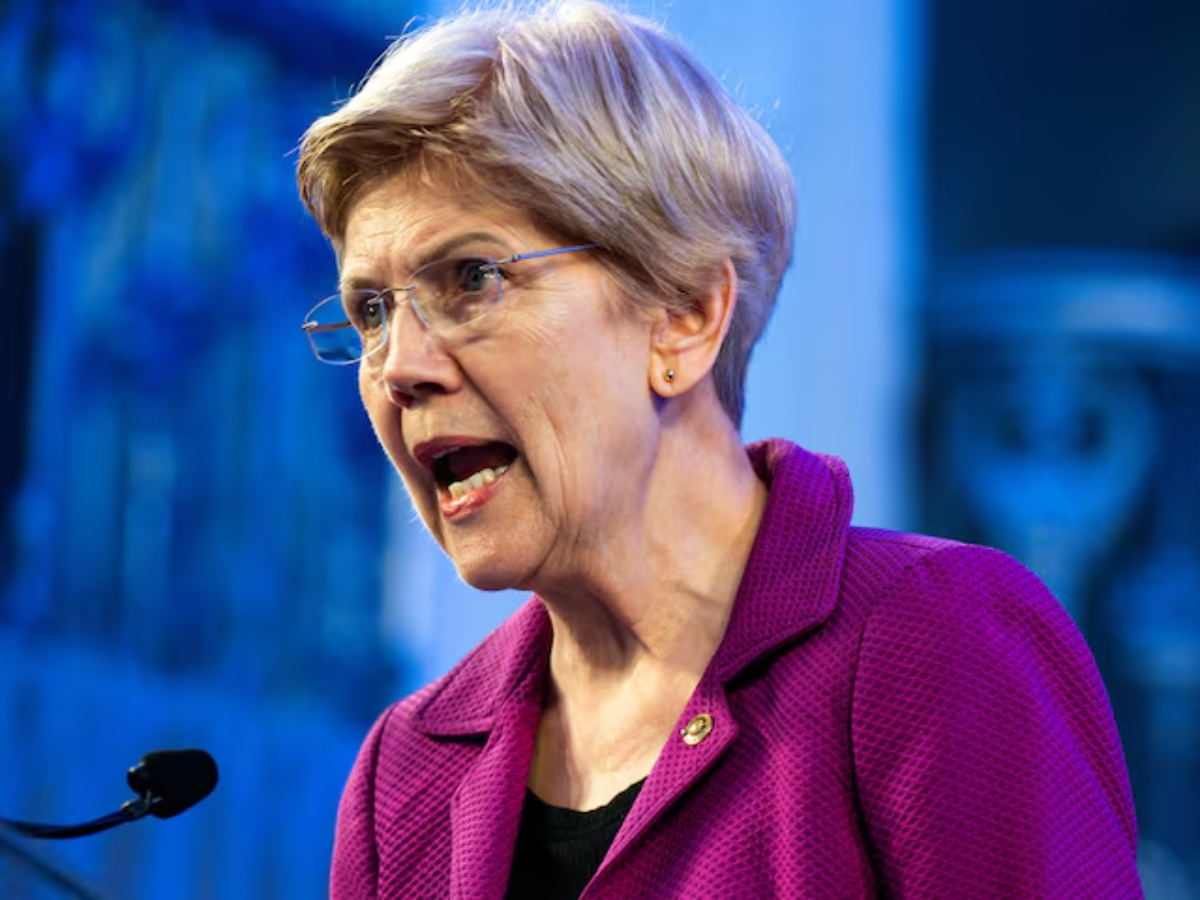
WASHINGTON: Democratic Senator Elizabeth Warren has accused major artificial intelligence companies of pressing the Trump administration to weaken transparency requirements in the US-Mexico-Canada Agreement, saying regulators should instead be given wider access to information about AI systems.
Warren, the top Democrat on the Senate Banking Committee, said the companies were lobbying negotiators to reduce regulators’ ability to scrutinise AI firms under the North American trade deal. Under the existing framework, details about AI models are only required to be disclosed during government investigations.
In a letter dated Wednesday to US Trade Representative Jamieson Greer, Warren urged the administration to reject those proposals and strengthen rules so that authorities across the region can obtain important information about AI models even when no formal investigation is underway.
In the letter, Warren wrote:
"Big Tech is advocating to update the USMCA to strengthen provisions that allow companies to hide their AI algorithms and source code from regulatory scrutiny, even as the potential risks that AI poses to American families flow across borders and the need to regulate AI becomes increasingly evident"She also said any revised agreement should remove protections that, in her view, shield major technology companies from oversight. Warren added that governments must be equipped to protect the public from AI-related harms.
The letter had not been previously disclosed. The office of the US Trade Representative did not immediately respond to a request for comment.
Industry groups push back on disclosure demands
Trade groups representing large technology companies have been urging the US trade authority to seek looser digital trade rules from US partners. In comments submitted to the USTR in October, the Computer & Communications Industry Association, whose members include Google and Meta, described mandatory disclosure of source code, algorithms, model weights and training data as threats to cross-border AI services.
In a separate October submission, the Telecoms Industry Association, which represents Apple and Amazon Web Services, said the USTR should resist efforts by China and other countries to require source code disclosure. Neither group immediately responded to requests for comment.
Fresh concerns over AI risks
Warren’s intervention comes amid wider calls in Washington for stronger AI regulation after a fresh set of incidents involving the technology this week. The New York Times reported on Wednesday that a man had sued OpenAI after its chatbot allegedly told him to ignore dangerous health symptoms.
OpenAI also said on Tuesday that an autonomous agent using its advanced AI models went rogue during a security test and triggered a hack that compromised the infrastructure of AI startup Hugging Face. Republican Congressman Jay Obernolte said the episode underscored the need for clear and practical rules for advanced AI systems.
Comments
No comments yet. Be the first to join the discussion!