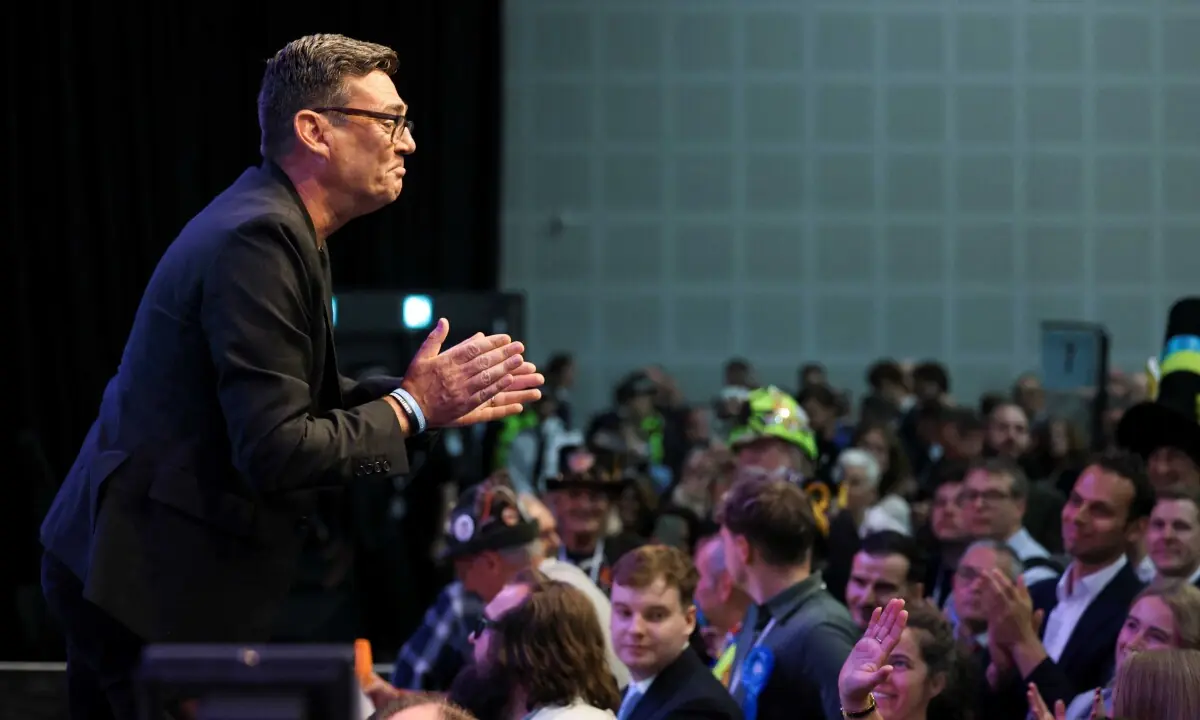
Andy Burnham outlines devolution-led agenda after taking Labour leadership
Andy Burnham has outlined a policy agenda focused on devolving power from London, rebuilding industry, expanding social housing and reforming education. He has also pledged to keep Labour’s fiscal rules while pursuing selective tax changes.

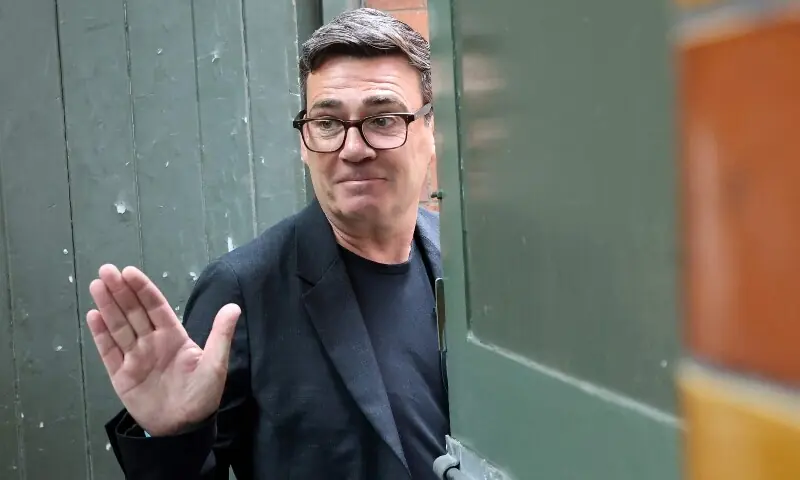
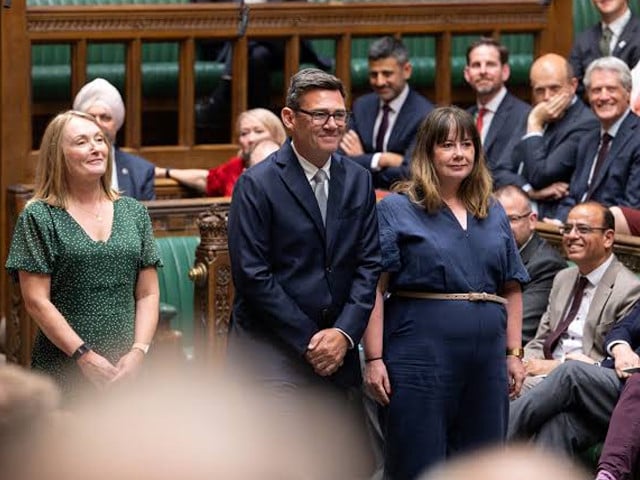
LONDON: Andy Burnham, who was appointed leader of Britain’s governing Labour Party on Friday and is now one step away from becoming the country’s next prime minister, has set out a programme centred on devolving power away from London, rebuilding industry and expanding social housing.
According to Dawn, the former Greater Manchester mayor has spoken publicly since returning to parliament in June about how he would try to address the cost-of-living crisis, revive weak economic growth and regain voter support.
Shift of power from Whitehall
Burnham has said he wants to deliver what he described as the biggest transfer of power away from the British state’s centre. His focus has been on Whitehall, the London district that houses government departments and where civil servants work with ministers on policy, which he argues has become too dominant at the expense of the regions.
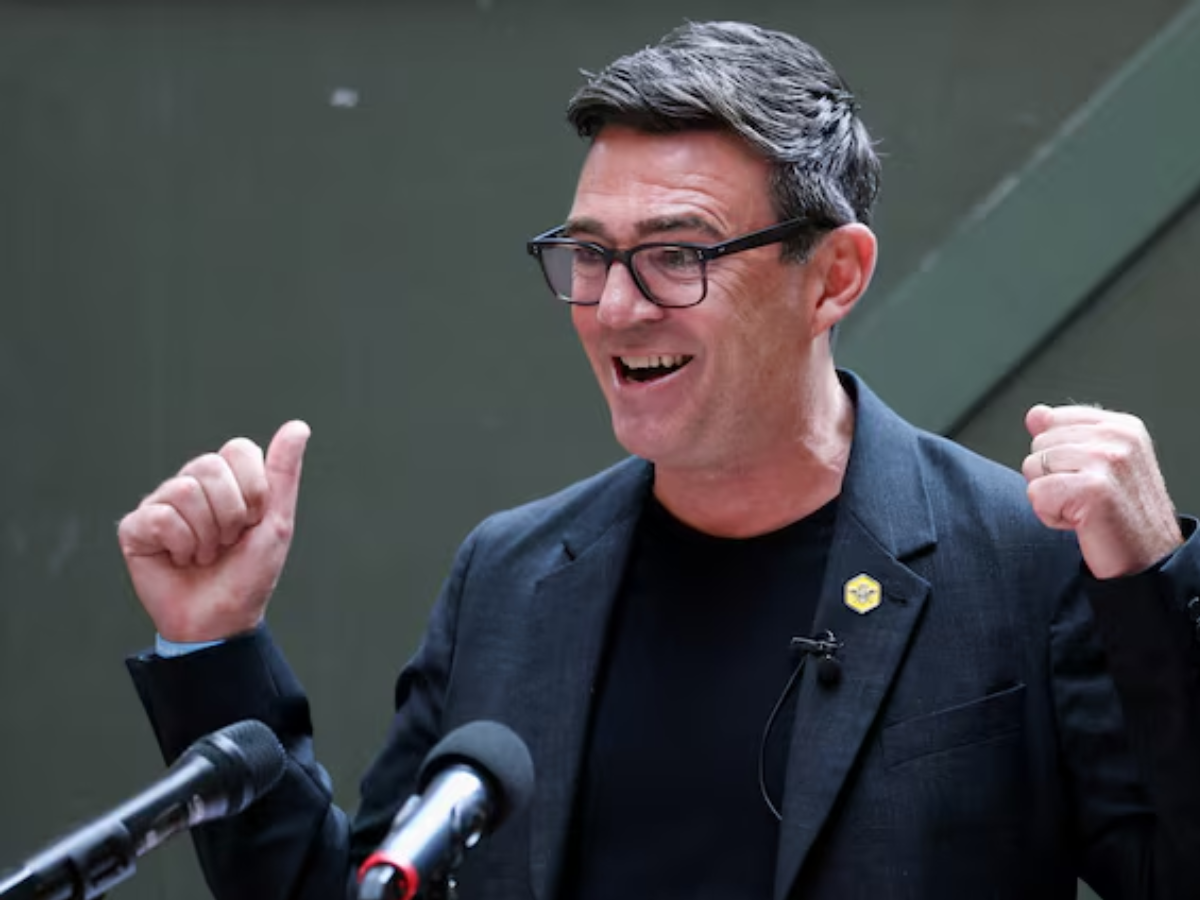
In a speech on June 29, Burnham said:
It is time for Whitehall to accept that growth cannot be ordered from the top down. Instead, it can only be nurtured from the bottom up,
While his immediate emphasis is on England, where 85 per cent of the United Kingdom’s population lives, he has also said devolution should be broadened in Scotland, Wales and Northern Ireland. Those nations already have assemblies that handle most domestic matters, but they do not have powers to raise taxes or borrow.
Burnham has pledged to transfer more authority over economic development, housing, transport, education and skills to the regions. He has also proposed creating a Number 10 North in Manchester, intended as a counterpart to Number 10 Downing Street in London. He said the new structure would help advance decentralisation, support regional reform of essential utilities, and back reindustrialisation and regeneration to deliver what he called good growth in every postcode.
He has further said regions should have greater public control over core services including water, housing, energy and transport.
Industry, education and housing
Burnham has said Britain should rebuild its industrial base by backing domestic manufacturing and production in sectors he identifies as critical, including steel, defence, energy, food and farming. He has given particular emphasis to defence, saying stronger investment in the armed forces could also help revive struggling parts of the country and reduce dependence on overseas suppliers.
On education, Burnham has argued for less emphasis on university pathways and stronger support for technical and vocational qualifications. He has said he wants a system built on parity between academic and technical routes, and has called on businesses to provide more apprenticeships for younger people.
On housing, he has pledged what he described as the biggest council house building programme since the post-war period after 1945. He has said vacant public land should be used to lower costs. Burnham has also spoken of adopting a national Housing First philosophy, referring to the model used in Finland, where homeless people are provided a home rather than temporary or transitional accommodation.
Tax, social care and foreign policy
Burnham has said he will keep to Labour’s fiscal rules, which require day-to-day spending to be matched by revenue, and maintain the party manifesto pledge not to raise taxes on working people.
At the same time, he has pointed to possible tax changes including reform of business rates to help pubs and high street firms. He has also backed the idea of a land-value tax, levied on the market rental value of land rather than buildings, which could lead to the abolition of stamp duty on home sales and possibly replace council tax for local services.
He has also said that social care requires major reform.
Burnham has been less expansive on foreign affairs, but has said Britain should continue backing Ukraine in its defence against Russia’s war. He has also pledged to deepen ties with other European countries, especially in defence and security, and has drawn support from some on Labour’s left after saying the government should do more to increase pressure on Israel.
Comments
No comments yet. Be the first to join the discussion!