Burnham wins backing from Britain’s largest union in Labour leadership race
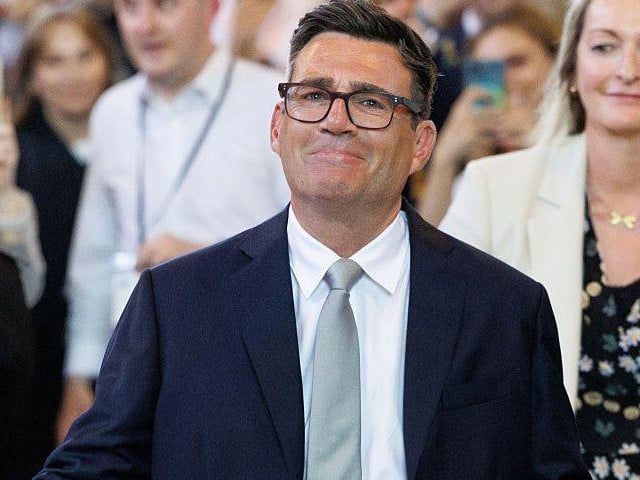
Andy Burnham strengthened his position in Labour’s leadership race after winning the backing of Britain’s largest union. He is on course to replace Keir Starmer and become the UK’s next prime minister.

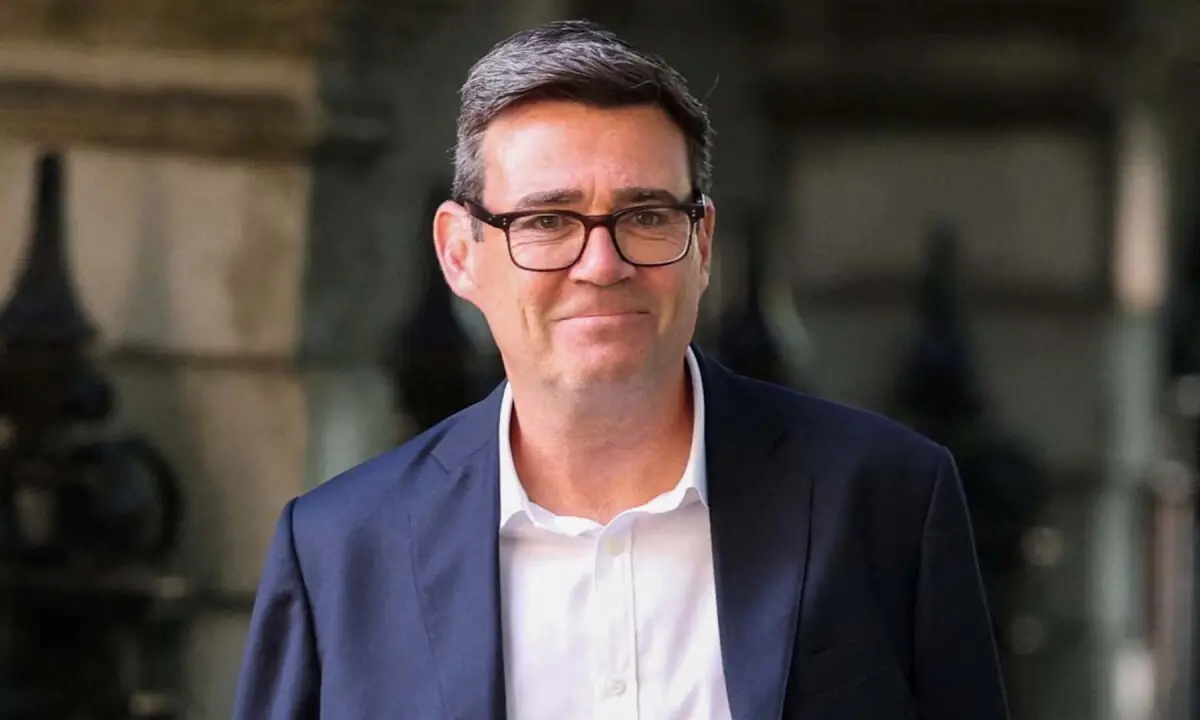
LONDON: Andy Burnham moved closer on Tuesday to becoming Britain’s next prime minister after securing the endorsement of the country’s biggest trade union, adding to an already insurmountable lead in Labour’s leadership contest.
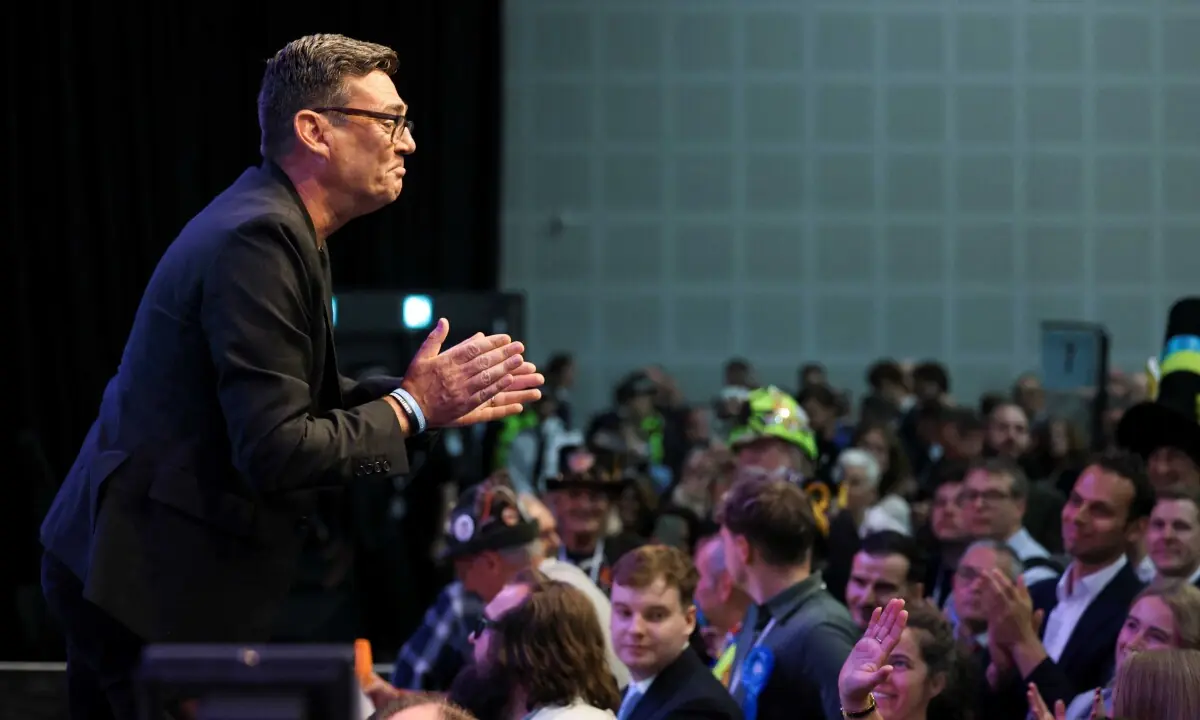
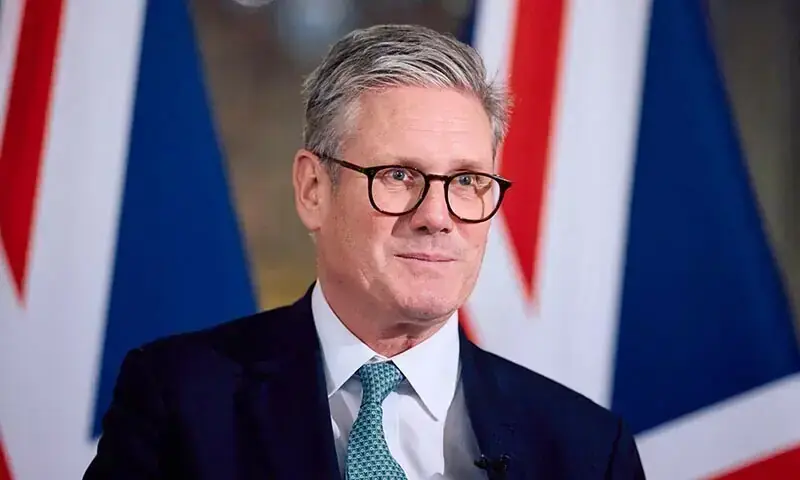
The former Manchester mayor, currently the only declared candidate to lead the party, had collected 349 nominations from Labour MPs by late Monday. With that total, it had become mathematically impossible for any potential challenger to overtake him. Burnham, 56, is seeking to replace Keir Starmer, who announced his resignation last month after months of internal pressure following scandals, political missteps and policy reversals during his two years in office.
Unison, which says it has more than 1.3 million members and is Britain’s largest union, announced on Tuesday that it was backing Burnham. Unison chairwoman Linda Hobson said Burnham faced a major challenge ahead but had the standing and authority required for the role.
Burnham still needs the support of two more Labour-affiliated organisations under party rules. Labour holds 403 seats in the 650-member House of Commons, giving it a strong parliamentary majority, which means the party’s new leader will become prime minister.
Leadership timetable
Nominations from MPs are due to close on Wednesday evening. That will be followed by a 24-hour ballot among other affiliated groups, including unions, ending at 6pm on Thursday, or 10pm Pakistan time. A special leadership conference is scheduled for Friday to formally declare Labour’s new leader, although details of the event had not been made public.
If confirmed, Burnham would replace Starmer and is expected to take over at 10 Downing Street on Monday after meeting King Charles III and being invited to form a government. He would become Britain’s seventh prime minister in a decade.
Burnham said he was grateful for the backing he had received from Labour MPs.
“That is the circuit breaker I am offering: power out of Westminster, an economy rewired for ordinary people, and good growth in every postcode”, he stated.
Economy and devolution
Burnham told Labour MPs during an online party hustings late on Monday that his priorities included shifting power to local communities and improving economic growth across the country.
On the economy, Bank of England Governor Andrew Bailey told parliament’s Treasury committee on Tuesday that growth should be the main focus for the next prime minister.
“We’ve had low growth in the economy now for the best part of 16 to 17 years,” he told parliament’s Treasury committee. “We will not get growth if we don’t have financial stability,” he said, pointing to the upheavals caused by the US-Iran war.
Hillsborough law appearance
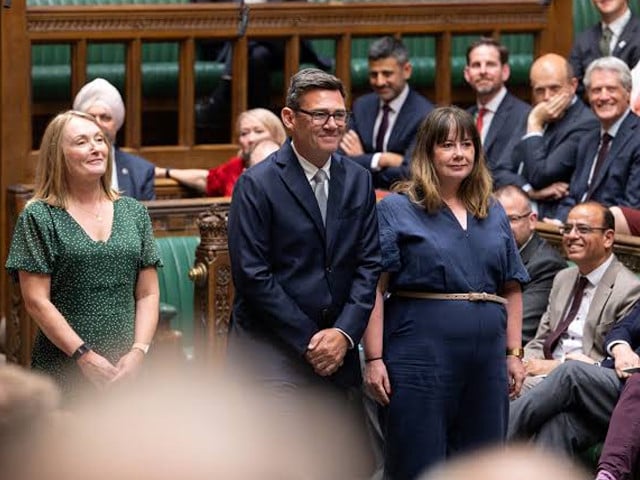
Burnham was also expected on Tuesday to appear in parliament alongside Starmer to mark the passage of a new law backed by the families of those who died in the 1989 Hillsborough stadium disaster. The legislation is intended to help prevent cover-ups by requiring public officials, including police and intelligence agencies, to be open during investigations and inquiries into state failures.
97 people died in the disaster after a crowd surge at Sheffield Wednesday’s stadium during an FA Cup semi-final involving Liverpool in 1989. Burnham, an Everton supporter born in Aintree near Liverpool, has long been associated with efforts linked to the tragedy. As sports minister in 2009, he pushed for a fresh inquiry into the deaths.
Writing on X on Tuesday, Burnham said “Today belongs to the Hillsborough families. They never gave up. Because of them, our country is one step closer to ensuring no family has to fight so long for truth and justice again.”
Comments
No comments yet. Be the first to join the discussion!