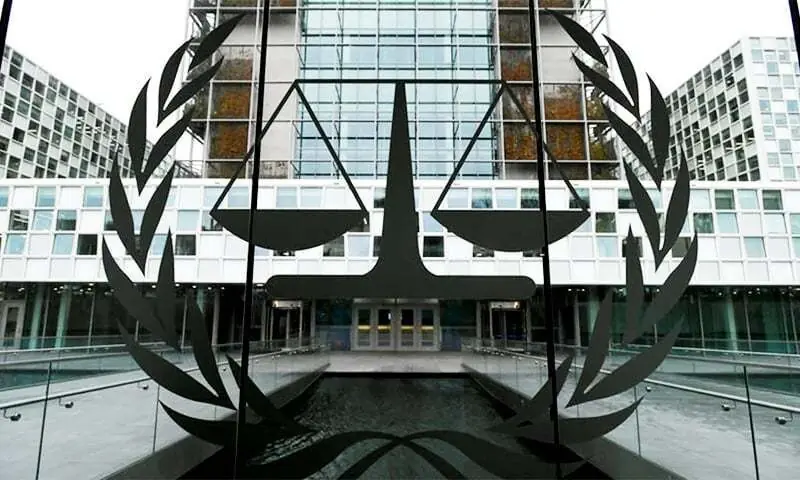
Trump administration sued over ICC sanctions and free speech concerns
Two US advocacy groups have sued the Trump administration over sanctions on the ICC, saying the measures violate free speech protections. The dispute comes as Washington expands pressure on the court, prompting criticism from European allies.

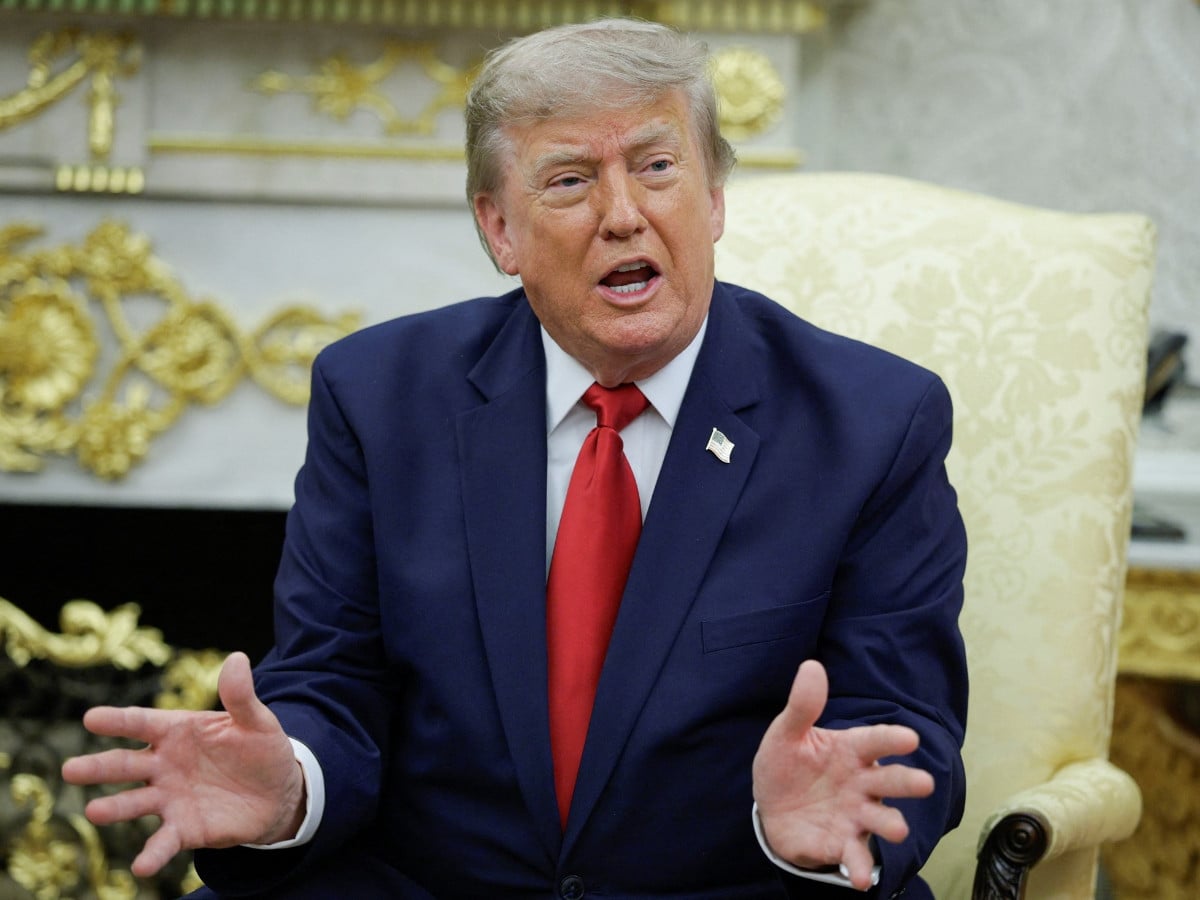
WASHINGTON: Two US-based advocacy organisations have filed a lawsuit against the Trump administration, arguing that sanctions imposed on the International Criminal Court violate constitutional protections for free speech. The legal challenge came as US officials this week stepped up a diplomatic push against the Hague-based court.
President Donald Trump and other US politicians have for years argued that the ICC should not have the power to investigate or prosecute Americans, especially members of the military. On Monday, the administration said the court threatened US sovereignty and pledged to widen sanctions, including travel restrictions on ICC personnel, while also intensifying diplomatic pressure on the tribunal. The move drew criticism from European allies.
In the case filed in federal court in New York, Democracy for the Arab World Now and the Taxpayer Alliance Against Genocide asked the court to block Trump's February 2025 executive order. Sanctions under that order have targeted ICC judges and prosecutors as well as Palestinian human rights groups that had urged the court to examine allegations that the United States and Israel may have committed war crimes during the Gaza war.
The complaint, seen by Reuters, says the two groups have held back from submitting materials to the ICC and from coordinating advocacy with people affected by the sanctions, including Francesca Albanese, the United Nations special rapporteur for Palestine. They say they fear fines and possible prison terms.
Omar Shakir, executive director of Democracy for the Arab World Now, said in a statement:
The Trump administration is using the blunt instrument of economic sanctions not only to punish human rights defenders but to police the political expression of millions of Americans.
Earlier dispute over ICC powers
Trump's opposition to the ICC dates back to his first term. A similar executive order he issued in 2020 was blocked by a judge, who said it was likely in conflict with the First Amendment. That order was later withdrawn by President Joe Biden's administration in 2021.
Trump officials last year began a fresh effort to punish ICC officials after the court issued an arrest warrant for Israeli Prime Minister Benjamin Netanyahu, a Trump ally. Three ICC judges have separately sued the Trump administration over the sanctions.
In March 2020, ICC prosecutors opened an investigation in Afghanistan that included possible crimes by US troops. Since 2021, however, the court has deprioritised the role of the United States and concentrated instead on alleged crimes by the Afghan government and Taliban forces. The court has taken no steps in recent years to investigate US personnel.
European response
The European Union on Tuesday restated its support for the ICC and said it remained committed to combating impunity. EU Commission spokesperson Anouar El Anouni said at a briefing:
Attacks or threats against the court, elected officials, personnel or those cooperating with the court are simply not acceptable. And let's also recall that the ICC does not target sovereign states, nor does it constitute a threat to their sovereignty.
The Netherlands' Foreign Ministry also said independent courts and tribunals must be able to perform their duties without obstruction. In a message to Reuters, the ministry said it had taken note of the US statements and added that the Dutch government was concerned by what it described as a harder tone, while also saying the US position itself was not new.
Comments
No comments yet. Be the first to join the discussion!