

Trump administration moves to intensify campaign against ICC
The Trump administration is considering new sanctions, visa restrictions and diplomatic pressure against the ICC, according to a State Department official. Washington says the court threatens US sovereignty and is urging other countries to reject its authority over Americans.

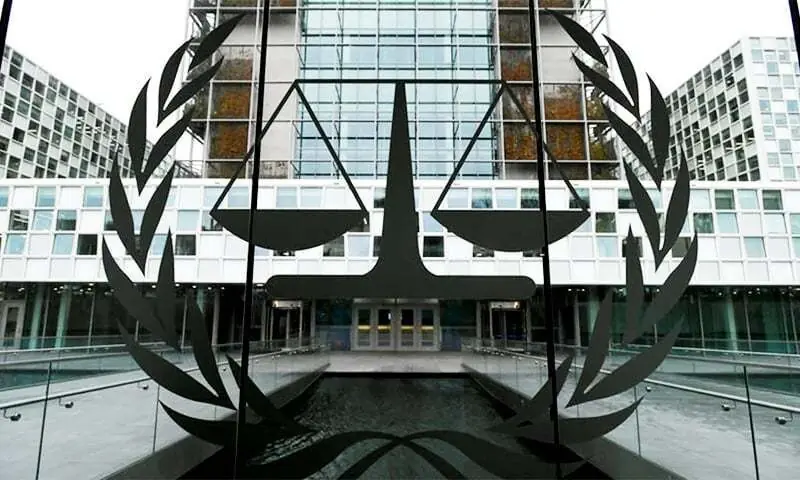
WASHINGTON: The Trump administration is stepping up efforts against the International Criminal Court, with a State Department official saying on Monday that Washington is pursuing measures aimed at countering what it views as a threat to US sovereignty from the court.
According to the official, who spoke on condition of anonymity, the administration is weighing a broad set of steps against the ICC. These include travel restrictions, visa cancellations, tougher sanctions on court officials and affiliated organisations, and diplomatic efforts to persuade other countries to pull out of the tribunal.
The official said Secretary of State Marco Rubio and other senior US officials are urging governments to join what was described as a drive to diplomatically isolate the court and prevent it from pursuing cases against Americans. The official added that countries working closely with US law enforcement, hosting American troops, or relying on wider US security support are being asked to reject what Washington says is the ICC’s claimed authority over US officials and service members.
In a statement carried on his official X account, Rubio accused the ICC of trying to
become the unaccountable arbiter of a new global law — empowered to prosecute and arrest our citizens at will and existentially threaten American sovereignty
He also described the court as
far more radical and extreme
staffed by unelected globalist bureaucrats who claim their power is almost unlimited
The American people never agreed to any of this
And they never will.
Long-running US opposition
US opposition to the ICC has spanned multiple administrations. President Donald Trump, like former president George W. Bush before him, has long argued that the court should not have authority to investigate or prosecute Americans, especially military personnel. The United States has never joined the ICC.
The ICC was created in 2002 to try cases involving war crimes, genocide and crimes against humanity. It says it can exercise jurisdiction only when a member state is unwilling or unable to prosecute such crimes itself.
Trump’s antagonism toward the court dates back to his first term and intensified again after his re-election in November 2024, when the ICC issued an arrest warrant for his ally, Israeli Prime Minister Benjamin Netanyahu. Reuters reported earlier this year that the Trump administration supported sanctions on ICC officials partly to deter any future attempt to hold Trump or his officials responsible for US military actions abroad.
Last month, three ICC judges filed a lawsuit against Trump and his administration over sanctions imposed on them last year, arguing that the penalties were unlawful.
Afghanistan case and US law
In March 2020, ICC prosecutors opened an investigation into Afghanistan that included possible crimes by US troops. However, since 2021, the court has deprioritised the US role and shifted its focus to alleged crimes by the Afghan government and Taliban forces.
The State Department official said countries that decline to reject the ICC while continuing to depend on American assistance could face closer examination from Washington.
The official said:
We will watch with interest which nations join ranks with us against this threat to Americans who are willing to risk their lives to protect others
The report also pointed to a 2002 US law, the American Service-Members’ Protection Act, enacted to shield US military personnel and government officials from prosecution by an international court to which Washington is not a party. The law, also known as the Hague Invasion Act, authorises the US president to use
all means necessary and appropriate to bring about the release of any person … being detained or imprisoned by, on behalf of, or at the request of
the ICC.
In addition to restricting cooperation with the court, the law bars members of the US armed forces from taking part in certain United Nations operations unless the president certifies that US national interests justify participation or that the personnel involved are not at risk of ICC prosecution.
Comments
No comments yet. Be the first to join the discussion!


