

Lebanon and Israel resume Rome talks on implementing US-backed deal
Lebanese and Israeli officials have resumed US-mediated talks in Rome on implementing a framework deal on south Lebanon. Beirut is seeking phased Israeli withdrawal, while fighting and political disagreements continue to cloud prospects.

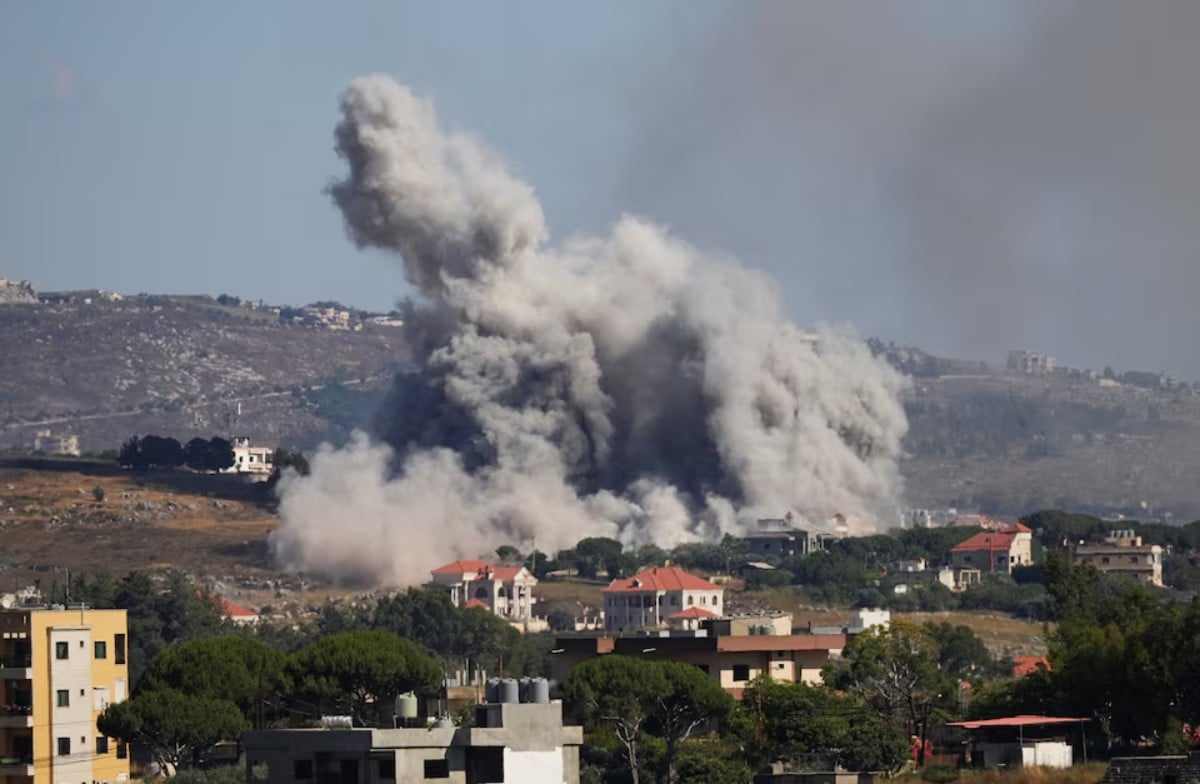
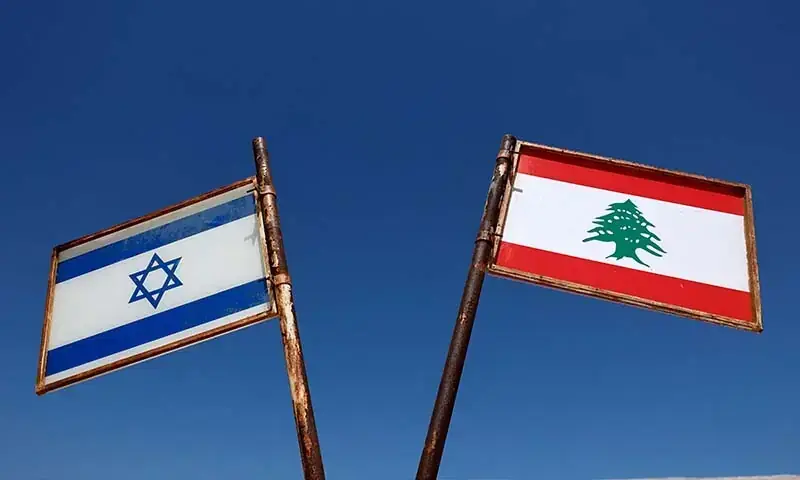
ROME: Lebanese and Israeli officials resumed talks in Rome on Tuesday under US mediation to discuss how to put into effect a framework agreement aimed at ending the conflict in south Lebanon, though Lebanese officials indicated expectations for rapid progress remained limited.
According to Reuters, the discussions at the US embassy in Rome were scheduled for Tuesday and Wednesday. Lebanese officials said Beirut was seeking movement towards an Israeli withdrawal from southern Lebanon under the US-brokered arrangement. One Lebanese official said shifting the venue to Rome would allow both delegations to remain in easier contact with their governments during the negotiations.
The latest diplomatic effort has taken shape after Hezbollah and Israel returned to war on March 2 as part of the broader regional conflict. Reuters reported that the diplomacy has advanced despite strong objections from the Iran-backed group, which holds that only Iranian pressure on Washington can bring about an end to the war and an Israeli withdrawal.
Iran had sought an end to the Lebanon war as part of its interim agreement with Washington signed last month, but Reuters said that arrangement had been unsettled over the past week by renewed US-Iran tensions in the Gulf.
Framework agreement and troop withdrawal
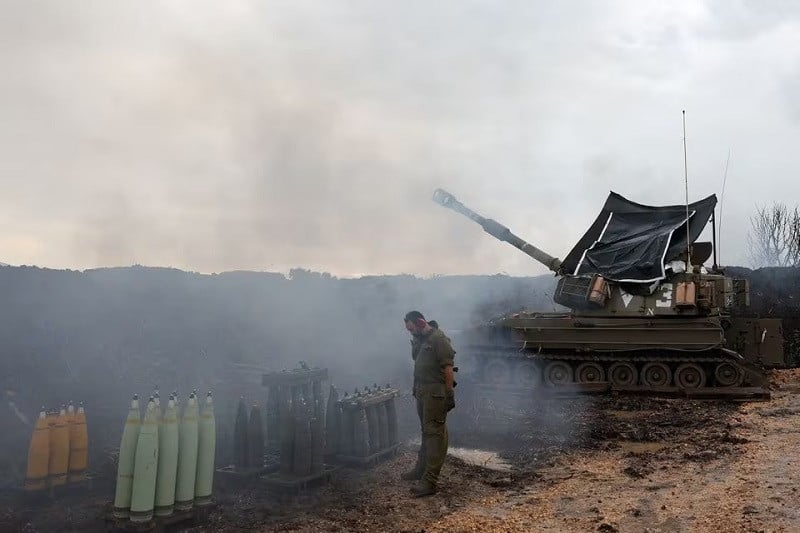
Israel's military currently controls what it describes as a buffer zone stretching about 10 km into Lebanon along the full length of the border. Israeli officials say the area is needed to shield northern Israeli communities from Hezbollah attacks.
A meeting in Washington on June 26 produced an agreement calling for an end to the Lebanon conflict, the disarmament of militant groups — in what appeared to be a reference to Hezbollah — the deployment of Lebanese troops to the south, and the phased withdrawal of Israeli forces. However, Israeli strikes have continued, and Hezbollah has rejected both the agreement and efforts to disarm it. Israel has said its troops will stay in southern Lebanon as long as Hezbollah remains armed.
In remarks released by his office on Monday, Lebanese President Joseph Aoun said he wanted the Rome talks to produce tangible movement on the ground and for Israel to begin pulling back its forces so the Lebanese army could move into the south.
tangible and practical steps on the ground
One Lebanese official said Beirut's delegation would push for a gradual and sequential Israeli pullout, moving from one area to another under a pilot-zone plan in which Hezbollah would disarm, Israeli troops would withdraw, and Lebanese forces would deploy district by district in southern Lebanon. The June 26 agreement identified two zones as the starting point.
A US official said last week that US Central Command was coordinating with both Lebanon and Israel to begin the pilot zones. Reuters also reported that a US military delegation visited Lebanon over the weekend for detailed discussions on the proposal with the Lebanese army.
Italy's role and conditions on the ground
Italian Foreign Minister Antonio Tajani said on Monday that Italy had offered to host the negotiations as part of efforts to continue work towards a genuine ceasefire in Lebanon.
“We are also very pleased that Rome can serve as the venue for these meetings. In this way, our capital becomes a capital of peace”, Tajani said ahead of a European Union meeting in Brussels on Monday.
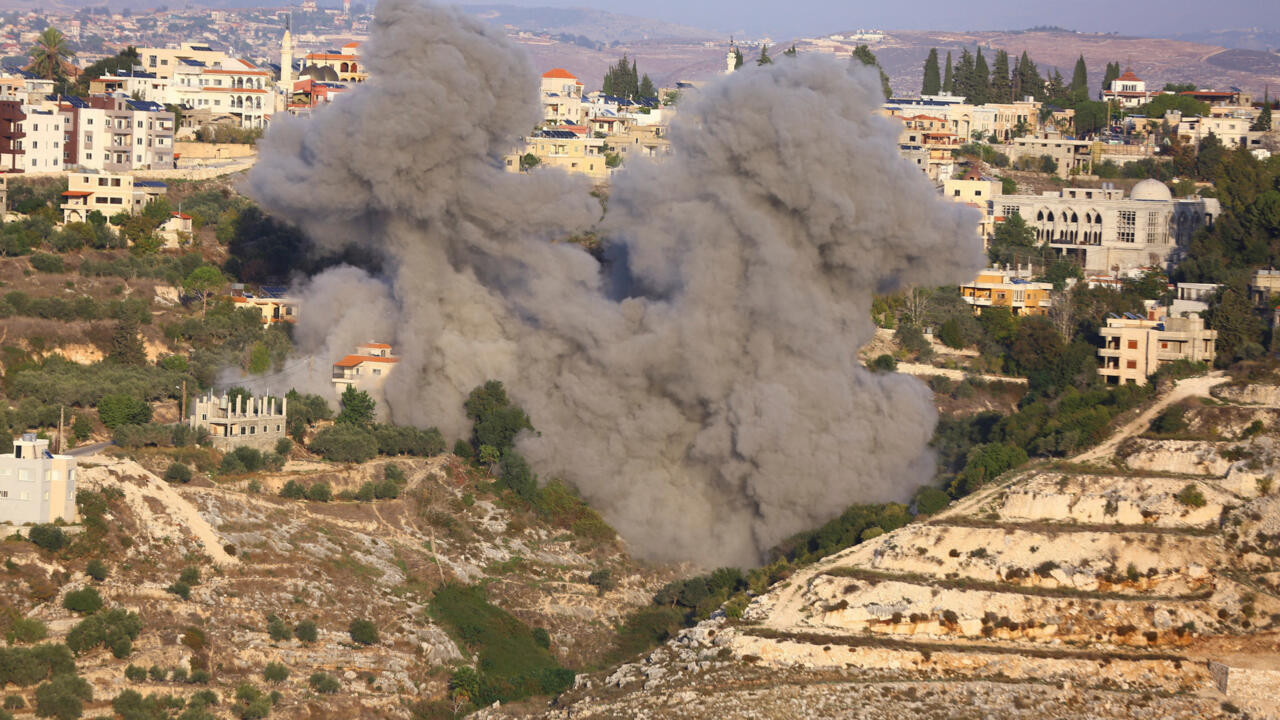
On the ground, Reuters reported that the Israeli military has displaced Lebanese residents from their homes and carried out controlled demolitions of entire villages, saying it is targeting infrastructure used by Hezbollah, including underground tunnels.
According to Lebanon's health ministry, more than 4,000 Lebanese have been killed and over one million displaced since Israel's campaign in Lebanon began in March. The ministry's figures do not specify how many of the dead were combatants, while Hezbollah has not released casualty figures for its fighters. Reuters reported on May 3 that several thousand Hezbollah fighters had been killed.
At least 32 Israeli soldiers and four Israeli civilians have been killed by Hezbollah, most of them in southern Lebanon since the latest round of fighting began.
Comments
No comments yet. Be the first to join the discussion!
1731228726-0/Copy-of-Untitled-(14)1731228726-0.png)

