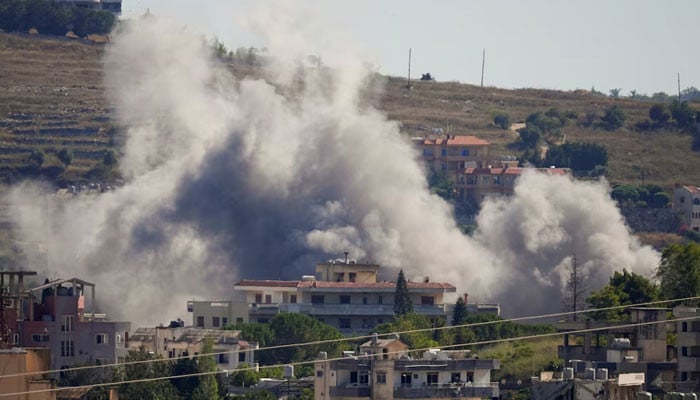
Lebanese and Israeli envoys to meet in Washington amid continued Hezbollah conflict
Israeli and Lebanese envoys are set to meet in Washington in a rare high-level contact as Israel continues its campaign against Hezbollah. Lebanon says its envoy will discuss a ceasefire, while Israel says it wants Hezbollah disarmed.

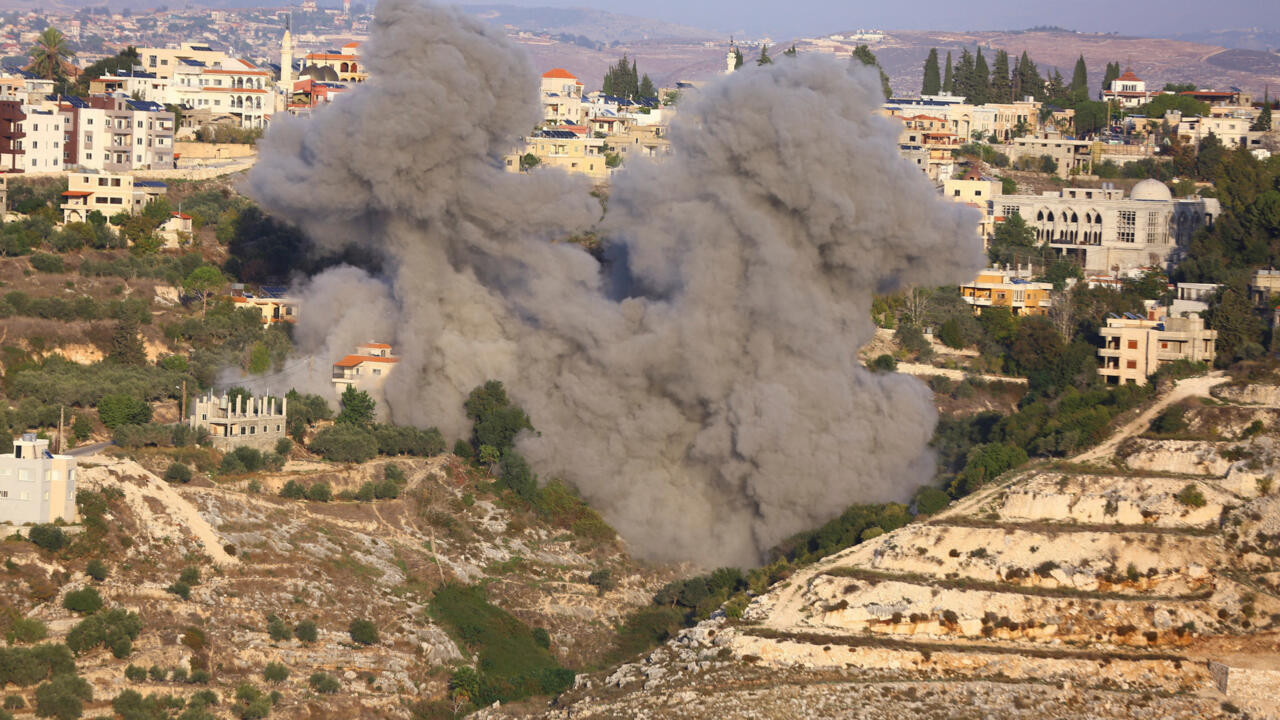
Washington: Israeli and Lebanese envoys are due to meet in Washington on Tuesday in a rare diplomatic contact as Israel continues its military campaign against Hezbollah and the two sides head into talks with sharply different objectives.
US Secretary of State Marco Rubio is expected to attend the meeting between Israeli Ambassador to the United States Yechiel Leiter and Lebanon’s ambassador Nada Hamadeh Moawad at 11am (1500 GMT), according to a State Department official.
The meeting comes a week into a fragile ceasefire involving the United States, Israel and Iran. The conflict between Israel and Hezbollah in Lebanon has remained a complicating factor in efforts to end the broader regional crisis.
The encounter is unusual because Lebanon and Israel have technically remained in a state of war since Israel’s establishment in 1948.
Different aims going into talks
Lebanon’s government, led by President Joseph Aoun and Prime Minister Nawaf Salam, has called for negotiations with Israel despite objections from Hezbollah. Lebanese officials have said Moawad is only authorised to discuss a ceasefire at Tuesday’s meeting.
Israel, however, has ruled out discussing a ceasefire. Israeli government spokesperson Shosh Bedrosian said on Monday “What we're looking for.. is to see that Lebanon is committed to disarming Hezbollah.. demilitarising southern Lebanon as well, and also to have a peace agreement”.
Hezbollah leader Naim Qassem on Monday urged the Lebanese government to cancel the meeting, saying the group would continue confronting Israeli attacks on Lebanon.
Casualties and displacement
According to Lebanese authorities, Hezbollah opened fire in support of Tehran on March 2, triggering an Israeli offensive that has killed more than 2,000 people and displaced 1.2 million others from their homes. Lebanon’s health ministry says the dead include 252 women and 166 children.
Sources familiar with the matter said on March 27 that more than 400 Hezbollah fighters had been killed. Israel says Hezbollah attacks since March 2 have killed 13 Israeli soldiers and two Israeli civilians.
Wider political and military context
The Lebanese state has been trying to disarm Hezbollah peacefully since a war between the group and Israel in 2024. Any attempt to disarm the group by force could trigger conflict in Lebanon, which was devastated by civil war from 1975 to 1990. Moves against Hezbollah by a Western-backed government in 2008 led to a brief civil war.
The current Lebanese government banned Hezbollah’s military wing after the group opened fire on Israel last month.
Israel and the United States have said the campaign against Hezbollah was not part of the Iran-US ceasefire, although Prime Minister Shehbaz Sharif had said the truce would include Lebanon, as Iran had demanded.
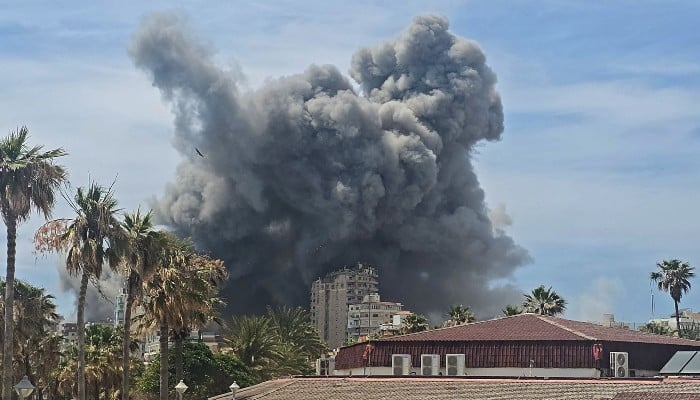
While Israel has continued attacks in Lebanon, it has not carried out airstrikes in Beirut since last Wednesday, when it launched a 10-minute barrage on the capital that killed hundreds of people across Lebanon. The next day, US President Donald Trump said in an interview with NBC News that Israeli Prime Minister Benjamin Netanyahu had told him he would “low-key it” in Lebanon.
A US State Department official said Israel was at war with Hezbollah, not Lebanon, and said there was therefore no reason the two sides should not talk. The official described the meeting as direct, high-level and the first of its kind since 1993.
According to the official, the talks would “scope the ongoing dialogue about how to ensure the long-term security of Israel's northern border and to support the government of Lebanon's determination to reclaim full sovereignty over its territory and political life”.
Comments
No comments yet. Be the first to join the discussion!

1731228726-0/Copy-of-Untitled-(14)1731228726-0.png)