Lahore groundwater decline deepens as experts call for rainwater harvesting
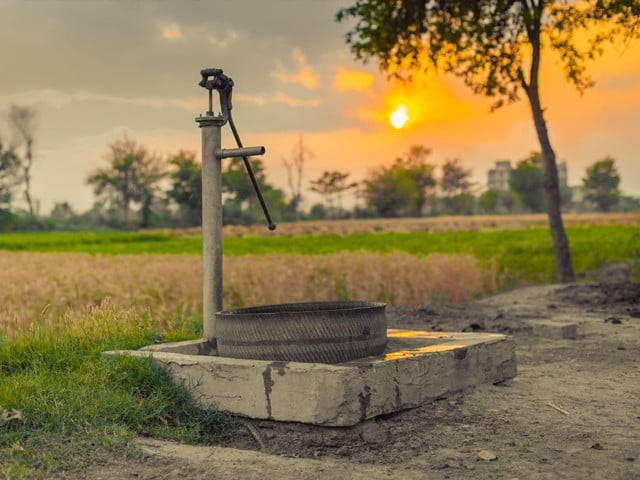
Experts have warned that Lahore’s groundwater table is falling rapidly as monsoon rainwater continues to be lost through drains and rivers. Officials and researchers say rainwater harvesting and recharge wells are needed to protect future water supplies.

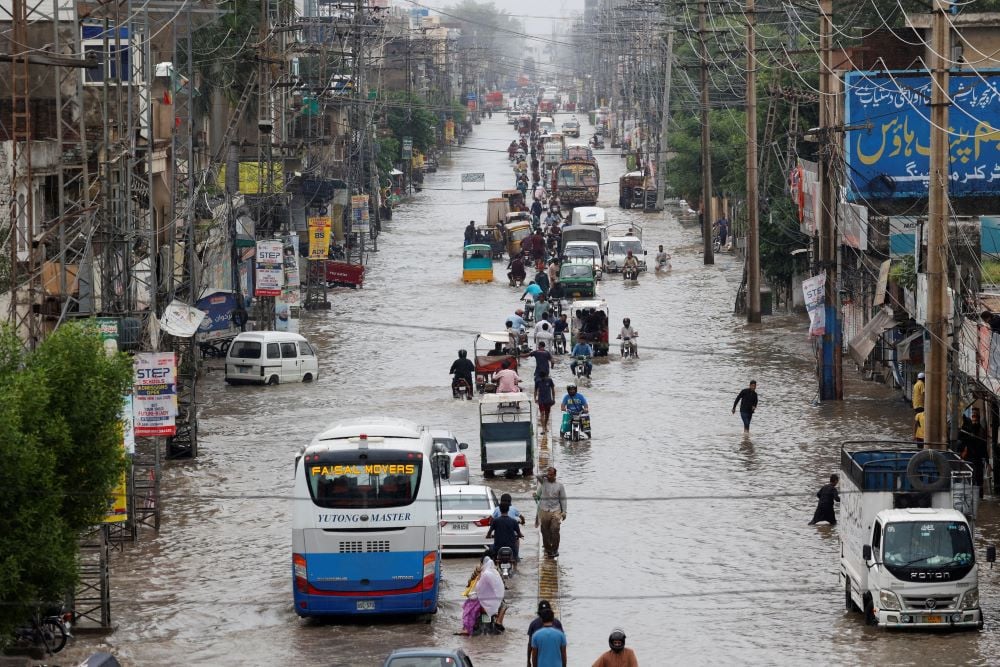
LAHORE: Water specialists have warned that large volumes of monsoon rain are being lost through drains and river flows each year even as groundwater levels continue to drop sharply across Punjab, underlining the need for urgent steps to capture rainwater and refill underground reserves.
Punjab University water resources expert Dr Muhammad Yasin said Lahore’s groundwater table is falling by around one to one-and-a-half metres annually. He linked the decline to fast urban growth, rising water demand, excessive pumping through tube wells, reduced river and canal flows, and the spread of concrete surfaces that stop rainwater from naturally soaking into the soil.
Dr Yasin said rainwater can be returned to aquifers through recharge wells, pits, bioswales and filtration systems. He said such measures would not only help restore groundwater reserves but could also reduce urban flooding during the monsoon season. He added that Punjab University, working with WWF-Pakistan, has already installed a rainwater harvesting and groundwater recharge system that collects runoff from rooftops and open areas. According to him, the water is filtered before being injected underground, allowing naturally filtered water to replenish aquifers.
He also warned that Lahore’s natural capacity to recharge groundwater is shrinking quickly as the city expands with more concrete infrastructure, causing rainwater to move straight into the drainage network instead of seeping into the ground.
Concerns over deep aquifers and pollution
Ravi Urban Development Authority Environment Director Abid Latif Sandhu said continued extraction first drains the shallow aquifer and then forces dependence on deeper reserves. He said these deep layers contain ancient fossil water preserved underground for thousands, and in some cases millions, of years, and once exhausted, they cannot be restored within a human timescale.
Sandhu also said groundwater is being polluted by untreated industrial waste, municipal sewage, agricultural chemicals and hazardous substances including mercury and cadmium. He warned that while clean water is being pumped out, polluted water is gradually taking its place below ground, creating risks for the future supply of safe drinking water.
He proposed making rainwater harvesting wells compulsory in all new residential housing schemes and called for community recharge wells in every locality so that rainwater is directed back into underground reservoirs rather than wasted. He also stressed the need for strict rules to curb extraction from deep aquifers and urged the government to develop a comprehensive water policy covering the entire cycle from glaciers to household taps, with clear allocations for agriculture, industry and domestic use backed by effective enforcement.
WASA recharge projects under way
Meanwhile, the Lahore Water and Sanitation Agency said it has started several groundwater recharge projects in the city. According to the agency, three modern recharge wells are currently operating at Liberty Roundabout, Maratib Ali Road and a park in Gulberg.
WASA said each of these facilities can filter and inject about 8,000 gallons of rainwater into underground aquifers per day. It added that under the first phase of the project, the Punjab government plans to build 15 more groundwater recharge wells in Lahore, while a longer-term programme aims to set up 1,000 such wells across the city.
Comments
No comments yet. Be the first to join the discussion!