African teams’ World Cup showing bolsters case for expanded allocation
Africa’s strong showing at the 2026 World Cup has strengthened the case for its expanded allocation of places. Nine of the continent’s 10 teams reached the knockout stage, although several suffered costly late collapses.

ISLAMABAD: Africa’s performance at the 2026 World Cup provided strong backing for the continent’s increased allocation of places, after criticism followed the expansion of the tournament to 48 teams.
The debate resurfaced after Italy, four-time world champions, failed to qualify. Former Italy coach Gennaro Gattuso had argued that Africa had been given too many places after its automatic berths rose from five to nine. The total became 10 when the Democratic Republic of Congo secured a place through an inter-continental play-off, marking its return to the World Cup after 52 years.
Results at the tournament, however, suggested African teams were far from over-represented. Tunisia endured a difficult campaign, dismissing coach Sabri Lamouchi after their opening group-stage match and then losing all three games. But the other nine African sides advanced to the knockout rounds. Five finished as group runners-up, while four progressed as part of the eight best third-placed teams. That gave Africa a 90 per cent success rate, the best among FIFA’s regions, ahead of South America on 83.33 per cent, Europe on 81.25 per cent and Asia on 22.22 per cent.
Europe went on to dominate more strongly in the knockout phase, supplying six quarter-finalists. Africa and South America had one each. African teams found the round of 32 more difficult, with seven eliminated at that stage. Egypt made the last 16, while Morocco became the first African nation to reach the quarter-finals twice.
Late lapses and costly defeats
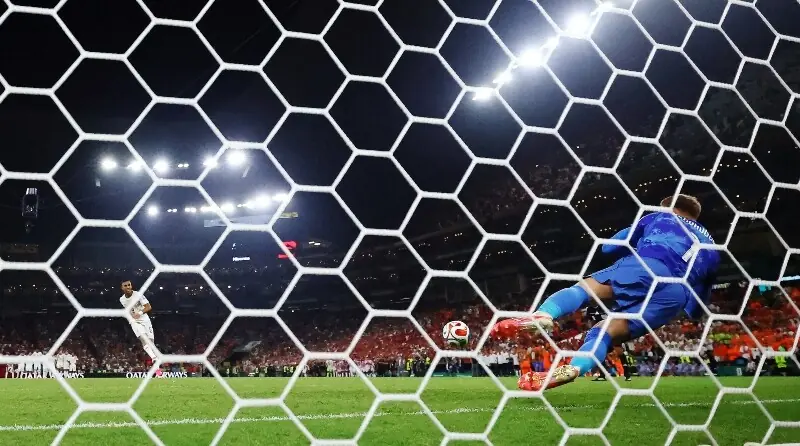
A recurring problem for African teams was conceding decisive goals late in matches. Lionel Messi scored as Argentina came from two goals down to beat Egypt 3-2. Harry Kane struck twice as England got past DR Congo, while Erling Haaland scored the winner for Norway against Ivory Coast. Senegal also let slip a two-goal lead with five minutes remaining against Belgium before losing in extra time.
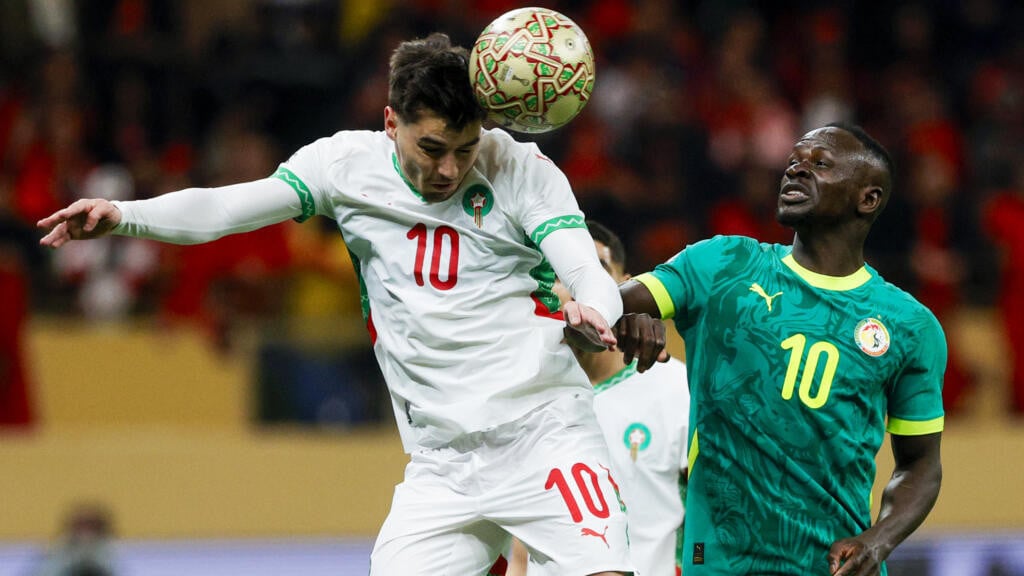
Senegal had been widely expected by many in Africa to be the strongest of the continent’s 10 qualifiers, but they disappointed. They lost three of their four matches and only reached the round of 32 as the eighth-best third-placed team. After their elimination, signs of unrest emerged within the squad. Midfielder Pape Gueye said he would no longer play for Senegal unless coach Pape Thiaw was removed.
Egypt came close to a major result against Argentina, leading 2-0 with 12 minutes left and also seeing another goal ruled out in controversial fashion, before Enzo Fernandez headed in for a 3-2 win for the defending champions. Egypt coach Hossam Hassan suggested the officiating might have been influenced. He said the refereeing team led by France’s Francois Letexier may have faced "external pressure" to favour Argentina.
FIFA referees chief Pierluigi Collina rejected that suggestion, saying:
Match officials make honest decisions and, just like players and coaches, they always try to do their best.
Former France forward Thierry Henry, working as a television analyst, said: "African sides relax too early. People talk about talent and passion, but when they go two goals up, the focus drops." Former Sweden striker Zlatan Ibrahimovic added: "Several African teams that were leading found a way to lose. In a World Cup, that is not bad luck, that is bad game management."
Morocco’s progress and Cape Verde’s impact
Morocco’s quarter-final defeat to France underlined both the continent’s progress and the remaining gap against Europe’s leading sides. Morocco did not register a shot on target until the 83rd minute, when goalkeeper Michael Maignan comfortably saved an effort from Azzedine Ounahi. Coach Mohamed Ouahbi acknowledged France’s quality, saying:
France are a really great side… they have rarely had as much talent as they do now.
Morocco have already qualified for the 2030 World Cup as co-hosts alongside Portugal and Spain. A 115,000-seat stadium is under construction near Casablanca with the aim of hosting the final.
Although Morocco went the furthest among the African teams, Cape Verde also drew wide attention despite failing to win any of their four matches. The island nation, with a population of a little more than half a million, opened with a 0-0 draw against Spain. Their 40-year-old goalkeeper Vozinha produced a series of saves against one of the tournament favourites, and the exposure had a major effect off the field as his Instagram following jumped from 50,000 to five million.
Cape Verde later twice came from behind before losing 3-2 to Argentina in the round of 32. Their second goal, a looping delivery from Sidny Lopes Cabral that turned into a score, was described as a contender for the best goal of the tournament.
Comments
No comments yet. Be the first to join the discussion!