Martyrdom that defeated a superpower
Iran honors Supreme Leader Ayatollah Ali Khamenei after a US-Israeli airstrike killed him and family. Global and Gulf leaders attend, signaling no diplomatic rupture—and possibly stronger unity.

A killing that didn’t work
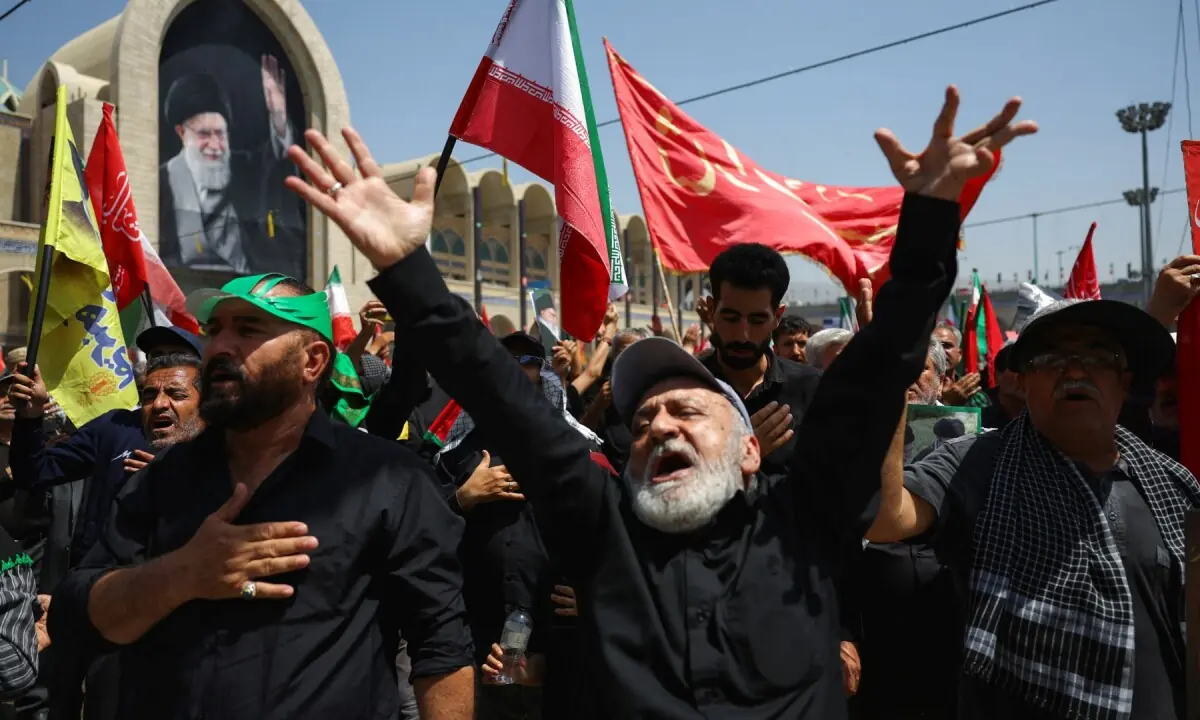
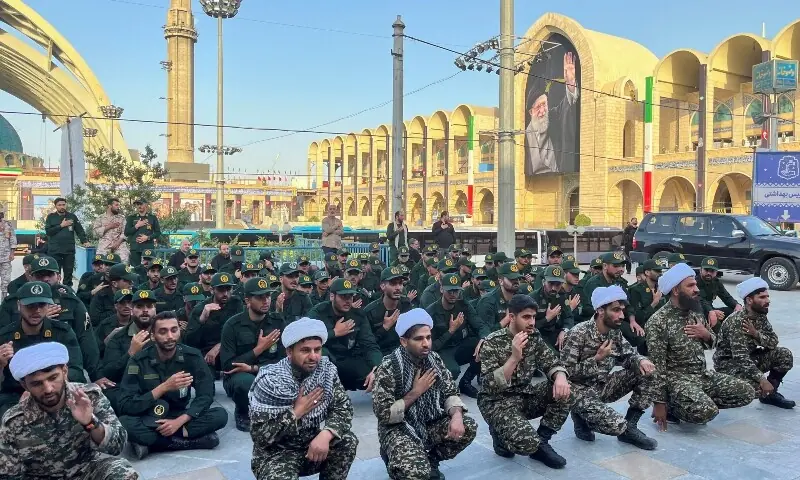
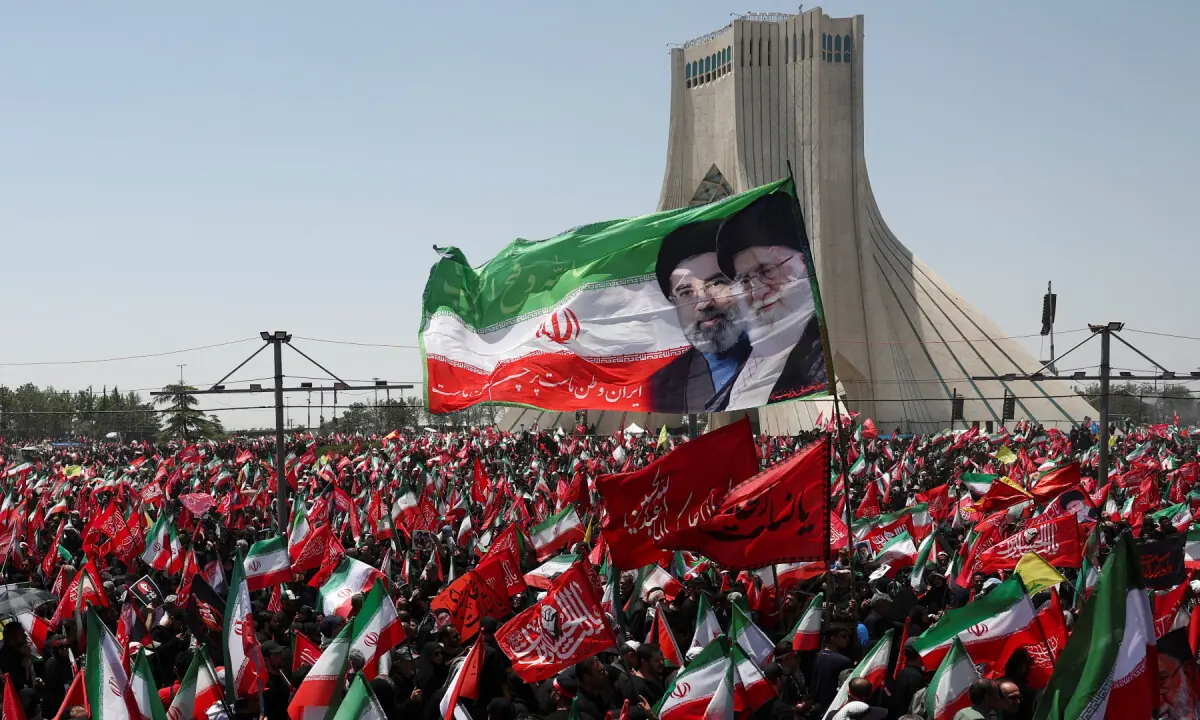
Ayatollah Ali Khamenei lay in state in Tehran, his coffin surrounded by black mourning flags as Iran began a week of funeral ceremonies before his burial in Mashhad. Former Russian President Dmitry Medvedev, senior Chinese lawmaker He Wei, Pakistan’s Prime Minister Shehbaz Sharif and Iraqi President Nizar Amedi were among the foreign leaders and officials joining Iranian clerics, generals and mourners to pay their respects. Their presence gave the ceremony a significance extending far beyond Iran’s borders.
The gathering of such senior dignitaries from major powers and important regional states offered a striking answer to those who expected Iran to emerge from the war diplomatically isolated and internally broken. Khamenei, killed with members of his family in the opening US-Israeli airstrike on February 28, was being mourned not merely as Iran’s Supreme Leader but honoured by representatives of countries commanding enormous geopolitical weight.
Equally important was the attendance of Gulf delegations, including Saudi Arabia, Qatar and Oman, at a moment when Israel and the USA had expected Arab and GCC states to stand firmly against Iran. The presence of Saudi and other Gulf representatives sent a chilling diplomatic message: the war had not ruptured Iran’s relationship with its neighbourhood. Despite deep differences, geography, religion, neighbourly necessity and regional fraternity had again pulled Iran and the Gulf states towards one another.
The funeral, therefore, is more than the burial of a leader who ruled Iran for 37 years. It is a moment to measure the consequences of the decision to kill him. The USA and Israel apparently expected that removing him would deepen despair, fracture an already pressured society and accelerate conditions for regime change. Four months later, the question is unavoidable: did his martyrdom strengthen its national cohesion?
The assumption behind leadership decapitation appeared straightforward. Iran had endured years of sanctions, economic hardship and recurring internal unrest. Remove the man at the centre of its religious and political structure, deepen the psychological shock by killing members of his close family and the state might collapse under its own contradictions.
The calculation proved disastrously wrong. Khamenei’s killing, together with his daughter, son-in-law, granddaughter and another close family member, did not tear Iran apart. It transformed a political and military crisis into what millions perceived as an existential national struggle. Domestic disagreements suddenly competed with the image of foreign powers killing the country’s supreme religious leader and members of his family in the opening strike of a war.
There is another historical irony. Iran has not built its modern national history around repeatedly invading neighbouring countries. Israel, by contrast, has. Yet Iran was presented as the uniquely imminent aggressor whose possible future intentions justified a preventive war before the alleged weapon even existed.
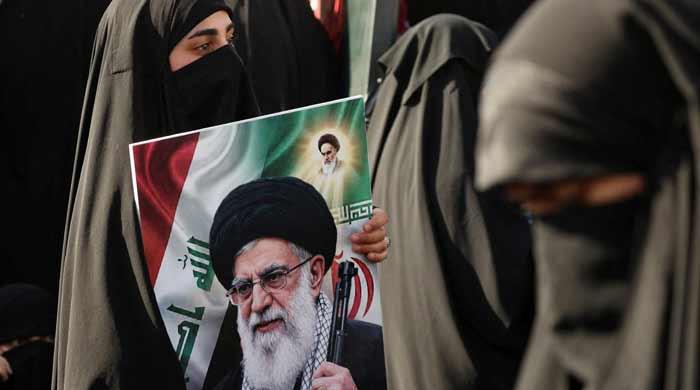
Martyrdom achieved what decades of speeches, military parades and revolutionary slogans could never have accomplished with comparable force. It brought large sections of Iranian society closer to their armed forces and transformed Khamenei from a controversial political ruler into a symbol of resistance. Even Iranians dissatisfied with their government were confronted with a distinction between opposing domestic policies and allowing foreign powers to determine Iran’s political future through bombs.
Instead of creating a leadership vacuum, the strike created a martyr. Instead of producing national despair, it generated anger, defiance and an instinct for survival. The attempt to weaken Iran by eliminating its most recognisable figurehead elevated Khamenei beyond the limitations of a living political leader.
The second contradiction is even more consequential. The USA and Israel justified their attack by claiming Iran was racing towards nuclear weapons. An extraordinary atmosphere of urgency was created, as though Tehran were only days or weeks away from converting fissile material into atomic bombs and preparing to use them against Israel. Yet the man killed in the opening strike was arguably Iran’s strongest institutional barrier against nuclear weaponisation.
For years, Khamenei maintained a religious prohibition against the production and use of nuclear weapons. His fatwa rested on the argument that atomic weapons are inherently indiscriminate. They cannot distinguish between soldiers and children, aggressors and innocent civilians. Their destructive effects extend beyond battlefields and generations and were therefore, in his religious reasoning, incompatible with Islamic morality and the fundamental principles of humanity.
This decree cannot simply be dismissed as ceremonial theology. Iran’s armed forces operate within a system in which the supreme leader exercises ultimate command authority. When that authority explicitly prohibits nuclear weapons on religious grounds, converting enriched material into an atomic arsenal directly challenges the religious and command structure under which Iran’s military and nuclear institutions operate.
The uncomfortable question must therefore be asked: who actually prevented Iran from developing an atomic bomb? Was it Israel’s threats and airstrikes? American sanctions and military pressure? Or Khamenei’s fatwa? My conclusion is that the principal internal restraint was neither Washington nor Tel Aviv but the religious prohibition imposed by the very man their bombs killed.
This is why the narrative of an immediate nuclear emergency deserves rigorous scrutiny. Israeli explanations have repeatedly blurred the critical distinction between possessing an operational atomic weapon and travelling along a technological path that might eventually provide the capability to manufacture one. A country may possess scientists, enrichment facilities, technical knowledge and fissile material without assembling a bomb or taking the political decision to use it.
If Iran was on a path that might have enabled it to produce a weapon years later, that was undoubtedly a serious proliferation concern. It was, however, fundamentally different from being days away from launching a nuclear attack. The image of an imminent Iranian bomb created the urgency necessary to justify war, but urgency cannot substitute for verifiable evidence and technological capability cannot automatically be treated as proof of immediate nuclear aggression.
There is another historical irony. Iran has not built its modern national history around repeatedly invading neighbouring countries. Israel, by contrast, has. Yet Iran was presented as the uniquely imminent aggressor whose possible future intentions justified a preventive war before the alleged weapon even existed.
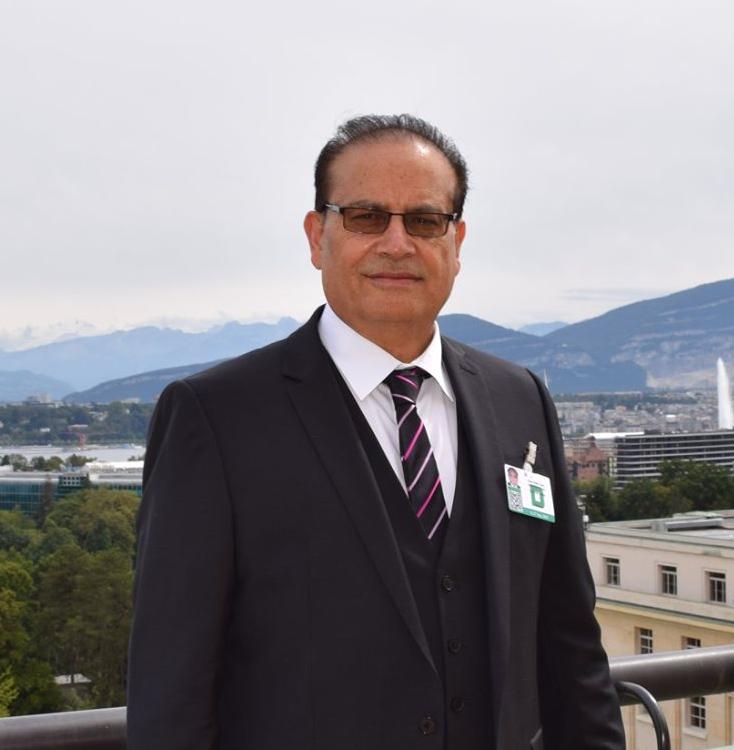
The writer retired as Press Secretary the President, and is former Press Minister at Embassy of Pakistan to France and former MD, Shalimar Recording & Broadcasting Company Limited
View all articles →Comments
No comments yet. Be the first to join the discussion!