

NAB weighs legal interpretation to retain jurisdiction in graft cases
NAB is considering a legal interpretation that could keep more corruption cases within its jurisdiction despite an inflation-linked rise in its financial threshold. The proposal is expected to go before the Executive Board Meeting for a policy decision.

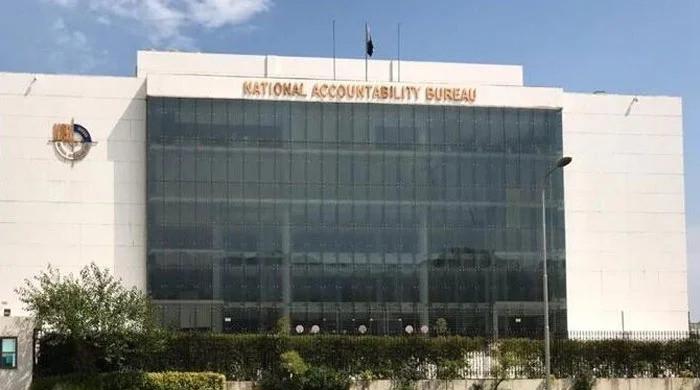
ISLAMABAD: The National Accountability Bureau (NAB) is considering a legal interpretation that could help prevent a large number of corruption cases from being closed after an inflation-linked rise in the watchdog’s financial threshold.
A proposal is under review within NAB and is expected to be placed before the Executive Board Meeting (EBM) for a policy decision. The idea is to apply the same inflation adjustment mechanism that has lifted NAB’s jurisdictional threshold from Rs500 million to more than Rs800 million to the amount of alleged loss suffered by the victim as well.
Under the proposed interpretation, if an accused argues that a corruption allegation now falls below the revised threshold and therefore outside NAB’s jurisdiction, the amount allegedly embezzled or misappropriated would also be recalculated using the same inflation formula. The reported purpose is to reassess the present-day value of the alleged loss to an individual, a public body or the national exchequer.
If that revised valuation crosses the updated threshold, the matter could remain within NAB’s jurisdiction. The proposal is based on the view that the inflation-linked amendment should not benefit only the accused while ignoring the reduced value of money allegedly lost by the affected party because of inflation.
Threshold change and its implications
The latest amendment to the National Accountability Ordinance, 1999 tied NAB’s minimum financial threshold of Rs500 million to the inflation index issued by the Pakistan Bureau of Statistics, effective from July 1, 2022. Cumulative inflation since then had pushed the effective threshold to above Rs800 million.
The increase has prompted concern within accountability circles that many inquiries, investigations and references involving amounts below the revised level could face closure or withdrawal on jurisdictional grounds. The fresh proposal is intended to address that issue through interpretation of the existing statutory provision rather than by pursuing another legislative amendment.
Decision still pending
No final decision has been taken so far, and the proposal remains under consideration by NAB’s senior management. If approved by the EBM and later adopted by the bureau, the move could reduce the number of corruption cases that may otherwise be dropped because of the revised threshold.
Legal experts believe the interpretation could itself be tested in court if challenged. In that event, the judiciary would decide whether the inflation adjustment can be applied not only to NAB’s jurisdictional limit but also to the valuation of alleged financial loss in corruption cases.
Comments
No comments yet. Be the first to join the discussion!

