

Drama Bhanwar spotlights AI deepfakes and digital manipulation
Pakistani drama Bhanwar has brought the threat of AI deepfakes into mainstream storytelling through the story of a journalist targeted with a fabricated apology video. The show’s themes align with wider debate in Pakistan over AI regulation and digital likeness protections.

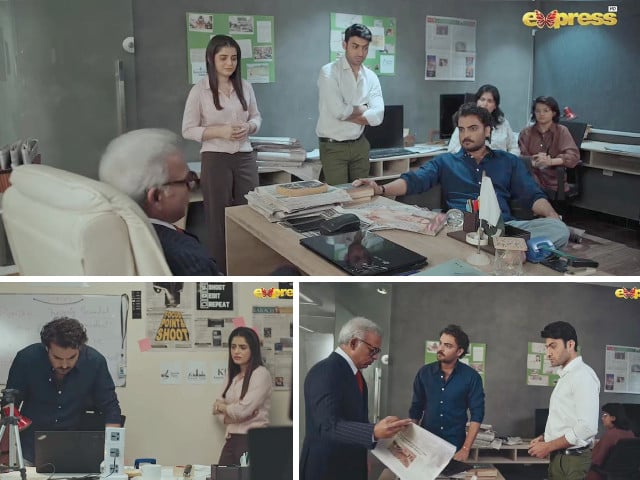
ISLAMABAD: Pakistani television drama Bhanwar has brought the issue of AI-generated deepfake videos into mainstream storytelling, focusing on how artificial intelligence can be used to distort reality, damage reputations, suppress dissent and spread misinformation.
The drama includes a storyline centred on Adeel Azam, an ethical journalist played by Asad Siddiqui, who completes an investigative report about wrongdoing by a pharmaceutical company. His media organisation initially refuses to run the story because of internal pressure. He persists and eventually gets the report published despite resistance from editors and management.
The conflict then deepens when his editor tells him to issue a public apology over the report. The journalist refuses, maintaining that he has done nothing wrong. The next day, he finds a video appearing to show him apologising, even though he never recorded any such statement. In the drama, when he questions his editor, he is told that the organisation used artificial intelligence to create the apology clip, replicating his face, voice, expressions and mannerisms in a way that makes it appear genuine.
The storyline highlights concerns linked to generative AI, including the use of deepfakes to circulate false information, shape public opinion, destroy reputations, commit fraud and weaken trust in digital media. It also raises the issue of employers or organisations potentially using AI tools against their own employees.
Speaking, director Abu Aleeha said the character played by Asad Siddiqui was designed to represent a journalist committed to ethics.
Abu Aleeha said the journalist faces opposition from both editors and channel owners after exposing the medicine company. He later resigns, joins another media organisation and becomes the target of an AI-generated fake apology video that leads to what the director described as character assassination.
The story later follows the journalist as he investigates and exposes a criminal network involving three women. During that process, he is attacked and seriously injured while trying to uncover the truth.
The themes explored in Bhanwar come amid wider debate in Pakistan over AI regulation. The Punjab government recently prepared the draft Punjab Performers' Digital Identity and Artificial Intelligence Protection Act 2026. The proposed legislation is aimed at protecting artists' voices, faces and digital likenesses from unauthorised AI use.
Under the draft law, explicit written consent would be required before creating AI-generated replicas or voice clones. It also proposes prison terms and fines worth millions of rupees for offences involving deepfakes, fake endorsements and unauthorised digital impersonation.
The issue has also drawn attention in the entertainment industry. Actor and filmmaker Shamoon Abbasi, who led a delegation of artists in talks with Punjab government officials, described the proposed legislation as an important move to protect performers in the age of artificial intelligence. Actor Hira Tareen also recently said she had come across contracts that gave production companies broad rights over her digital likeness.
Bhanwar, aired on Express Entertainment every Wednesday and Thursday, features a cast including Mansha Pasha, Areeka Haq, Asad Siddiqui, Ali Safina and Saleem Meraaj. The drama combines suspense-driven storytelling with themes drawn from contemporary social realities and digital risks.
Comments
No comments yet. Be the first to join the discussion!


