Heatwave forces US July Fourth cancellations and strains power grids
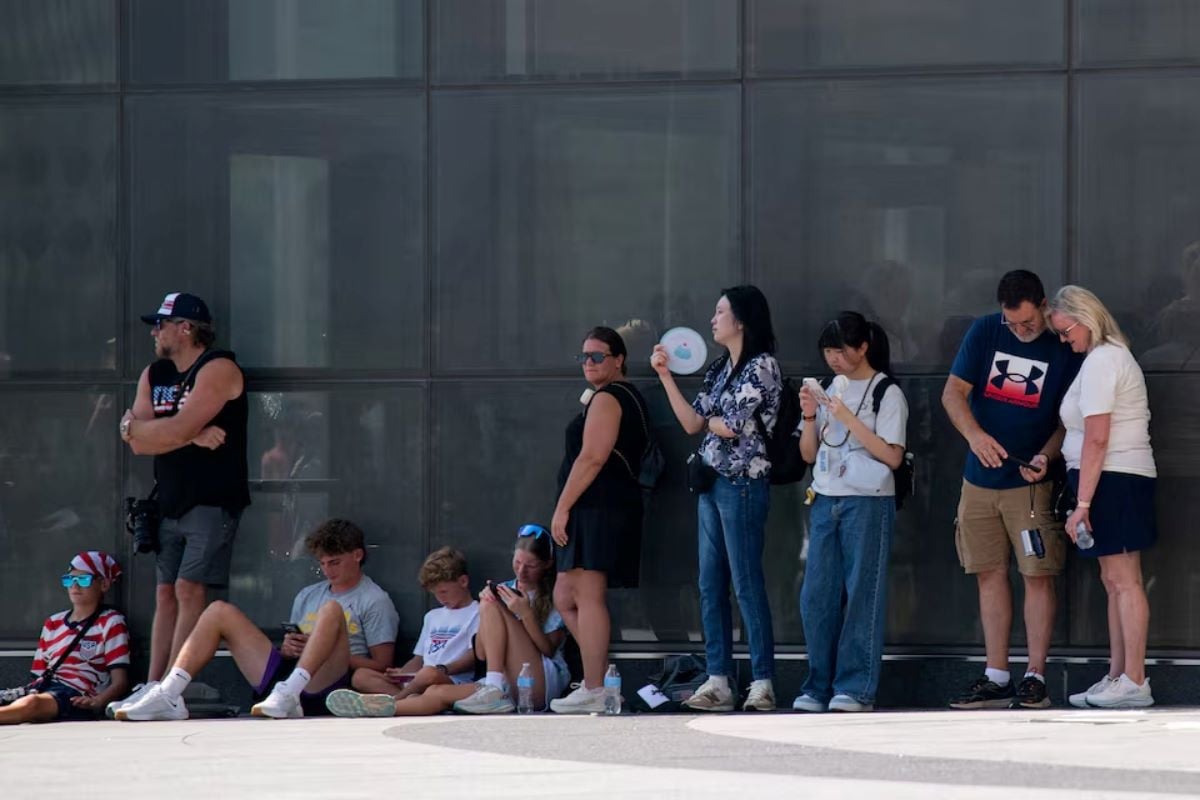
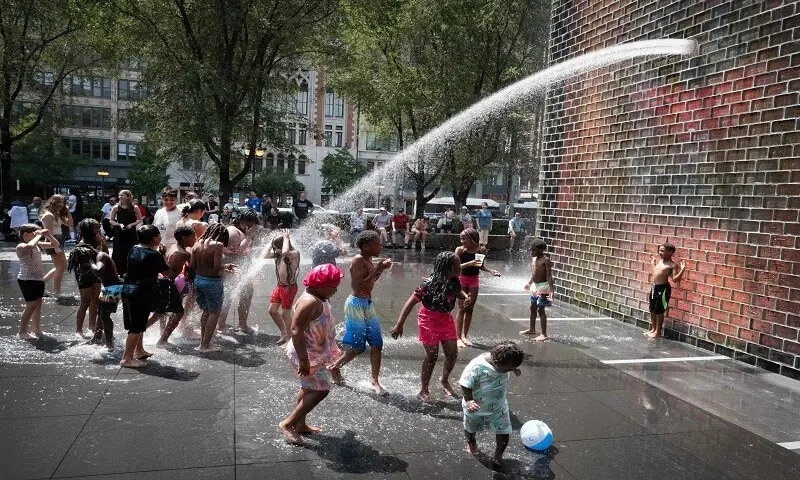
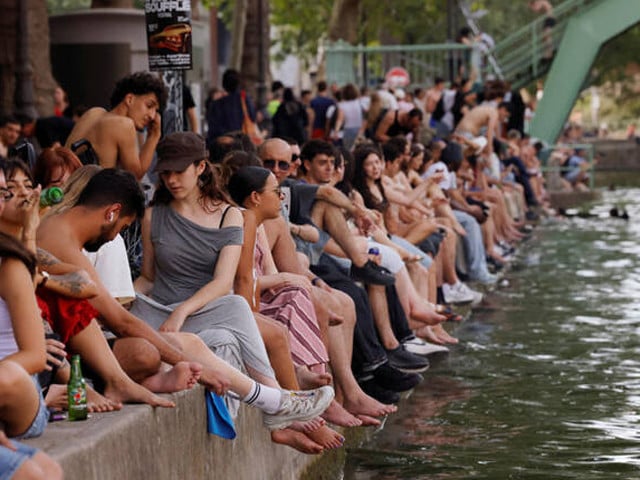
A heatwave sweeping the central and eastern United States forced cancellations of July Fourth events and added pressure on power grids. More than 185 million people were under heat alerts as temperatures and humidity surged.

WASHINGTON: A severe heatwave disrupted Independence Day events across large parts of the central and eastern United States on Friday, prompting officials to cancel or delay parades, concerts and fireworks as temperatures climbed and electricity systems came under pressure.
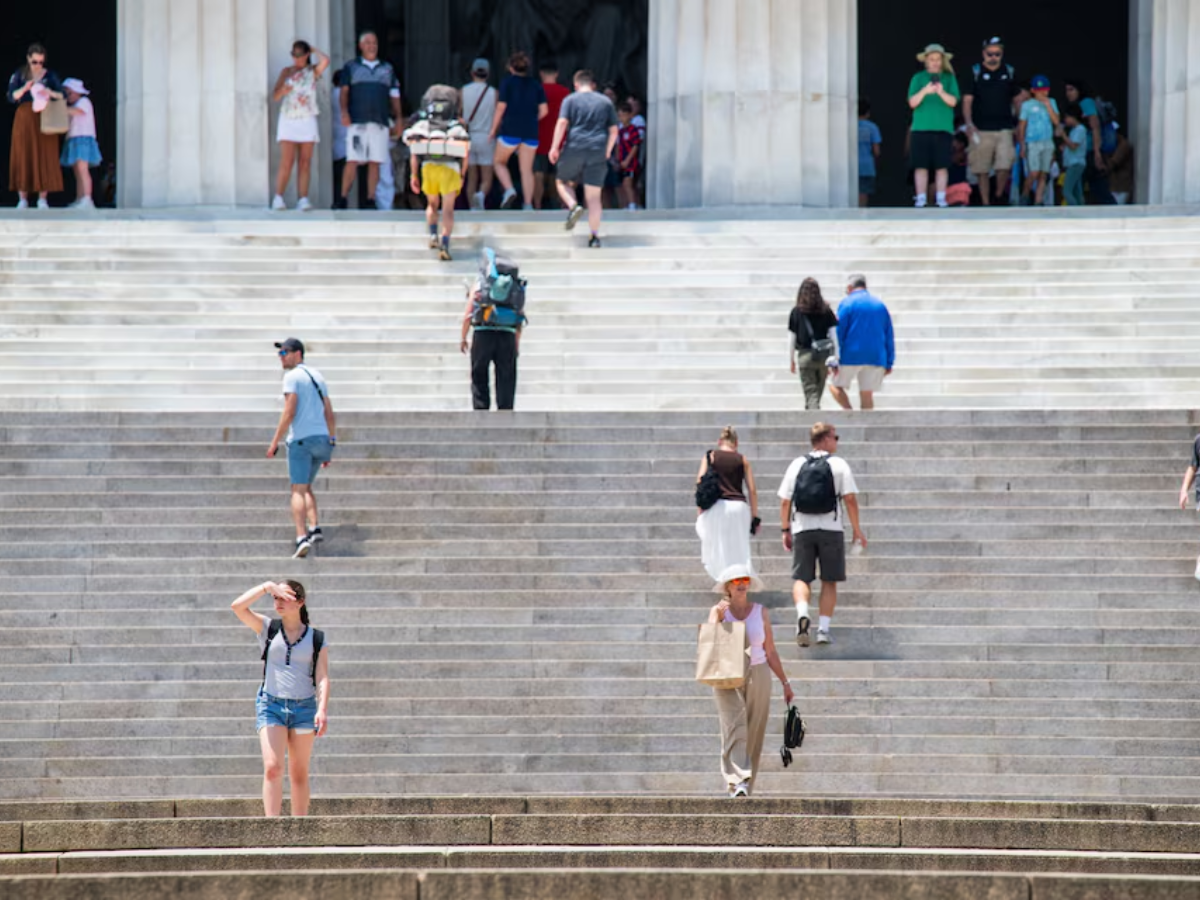
Among the affected events was the Great American State Fair on the National Mall in Washington, a key part of President Donald Trump’s push to mark the country’s 250th birthday. The fair, intended to represent all 50 states, was temporarily shut on Friday afternoon after temperatures reached 101 degrees Fahrenheit, or 38 degrees Celsius.
Late on Friday, organisers from the National Park Service said the annual Independence Day Parade in Washington had been called off over safety concerns. The parade had been due to begin at 10:30 ET on Saturday, while the National Weather Service was forecasting heat index levels as high as 115 degrees Fahrenheit.
Heat dome spreads record temperatures
The extreme conditions moved eastward from the Midwest earlier in the week after a high-pressure system known as a heat dome formed over the region. Such systems trap hot air and can also drive up humidity.
The National Weather Service said more than 185 million people — over half the US population — were under heat alerts on Friday. Peak heat index readings were expected to reach 115 F, or 46 C, in some areas, with several cities registering record high temperatures.
Forecasters and government officials warned that the heatwave could be deadly. They urged people attending outdoor gatherings over the long holiday weekend to drink water, stay in the shade and remain alert to symptoms of heat-related illness.
Power systems face heavy demand
The hot weather also put power grids under strain. PJM, the largest US grid operator, which serves 67 million people across the Mid-Atlantic, parts of the South and Washington, asked customers enrolled in emergency conservation programmes to cut electricity use.
The operator said the measures were needed because of generator outages, overloaded transmission lines and sharply higher demand for air-conditioning.
In New York, Con Edison said about 17,000 customers were without electricity by late Friday afternoon. With demand rising, the utility asked customers in New York City and Westchester County to conserve power.
Events affected across eastern US
Cancellations and delays were reported along the Eastern Seaboard during the July 4 holiday weekend, when Americans traditionally mark the 1776 Declaration of Independence with barbecues, parades and fireworks.
In Philadelphia, officials canceled the Salute to Independence Parade, one of the city’s main holiday events, citing extreme heat. The move followed temperatures of 103 F on Thursday, matching a record last set in 1901.
Haddon Township in New Jersey canceled its annual July 4 parade. Watertown in upstate New York called off its Independence Day concert and fireworks show. In Boston, authorities pushed back entry to a yearly riverside fireworks event by four hours, moving opening time to 4pm from noon.
In New York City, the heat softened adhesives on Manhattan streets, causing shoe soles to stick to the pavement. Even so, crowds gathered outside Madison Square Garden in sweltering conditions to watch celebrity guests arrive for what was widely expected to be the wedding celebration of singer Taylor Swift and football player Travis Kelce.
Comments
No comments yet. Be the first to join the discussion!