

'Reform begins with honesty': CJP pushes prison overhaul as SC clears death appeal backlog
CJP Yahya Afridi calls for a nationally coordinated prison overhaul, saying prisons mirror broader criminal justice failures. The Supreme Court cleared nearly all death appeal backlog as provinces pledge support for a reform roadmap.

Justice Yahya Afridi says prisons reflect failures and strengths of entire criminal justice system
Chief ministers of all four provinces pledge support for nationally coordinated prison reform agenda
CJP recounts death-row inmate’s plea that made appeal backlog a personal priority, saying SC disposed of 606 death appeals, nearly all cases filed before end-2025
Conference adopts roadmap to modernise prisons, improve rehabilitation and uphold human dignity
ISLAMABAD: Chief Justice of Pakistan (CJP) Yahya Afridi on Thursday called for a nationally coordinated overhaul of Pakistan’s prison system, saying prisons reflected the performance of the entire criminal justice chain—from police investigations and prosecutions to court proceedings—while acknowledging systemic shortcomings and urging stronger cooperation between the judiciary, provincial governments and all institutions responsible for prison administration.
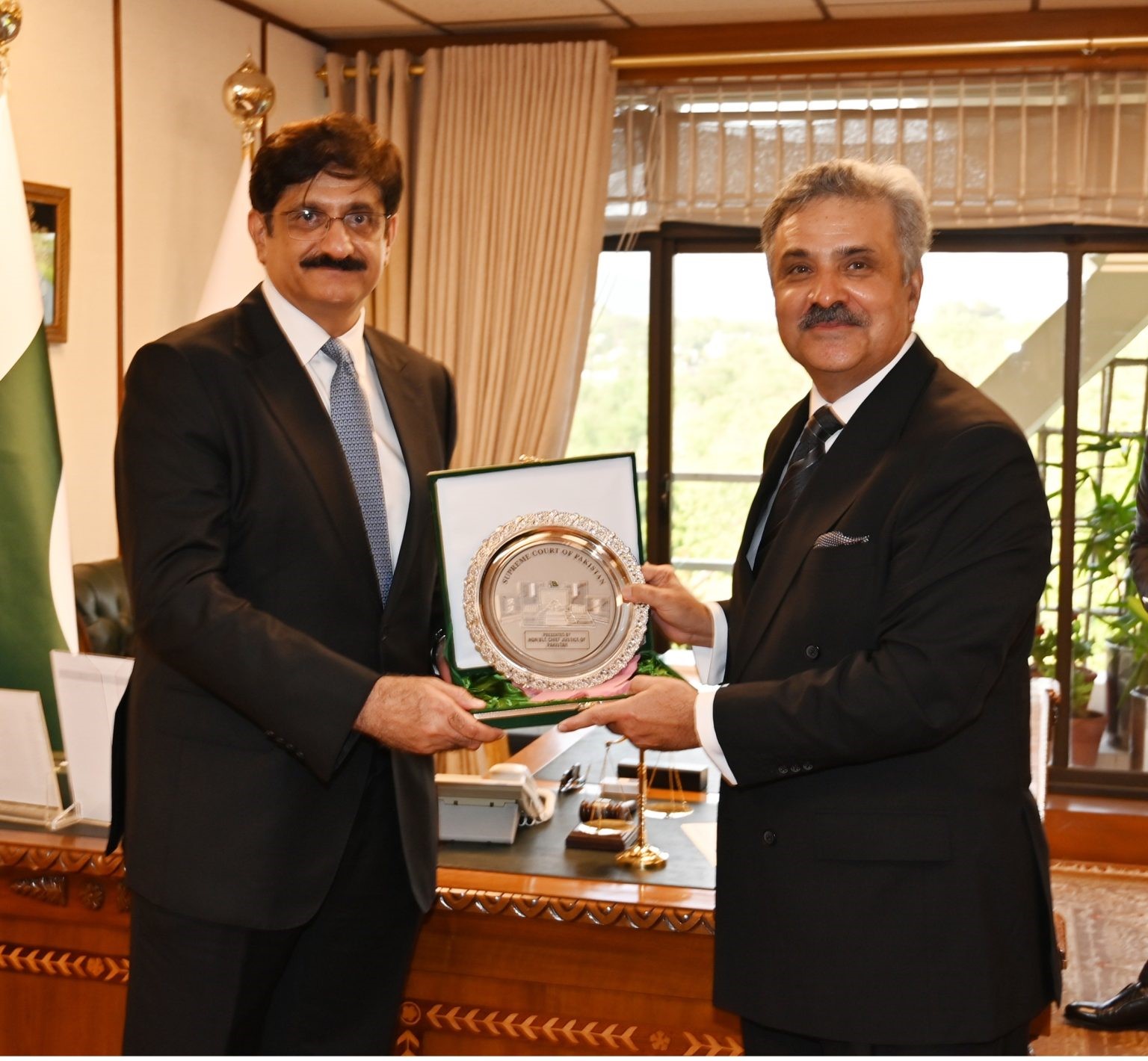
سپریم کورٹ آف پاکستان میں جیل اصلاحات سے متعلق کانفرنس
وزیراعلیٰ سندھ مراد علی شاہ کا خطاب
قانون کا احترام سب پر لازم ہے
قانون کو اہمیت دینے والے ملک ترقی کی دوڑ میں کبھی پیچھے نہیں رہتے
قانون کی بالادستی سے لوگوں کا عدالتوں پر اعتماد برقرار رہتا ہے
جیلوں میں قیدیوں کے لیے… pic.twitter.com/RhljdLXLv3— PTV News (@PTVNewsOfficial) July 2, 2026
The chief justice made the remarks in his keynote address at the National Conference on Prison Reform, held under the auspices of the National Judicial (Policy Making) Committee (NJPMC) at the Supreme Court Auditorium in Islamabad.
سپریم کورٹ آف پاکستان میں جیل اصلاحات سے متعلق کانفرنس
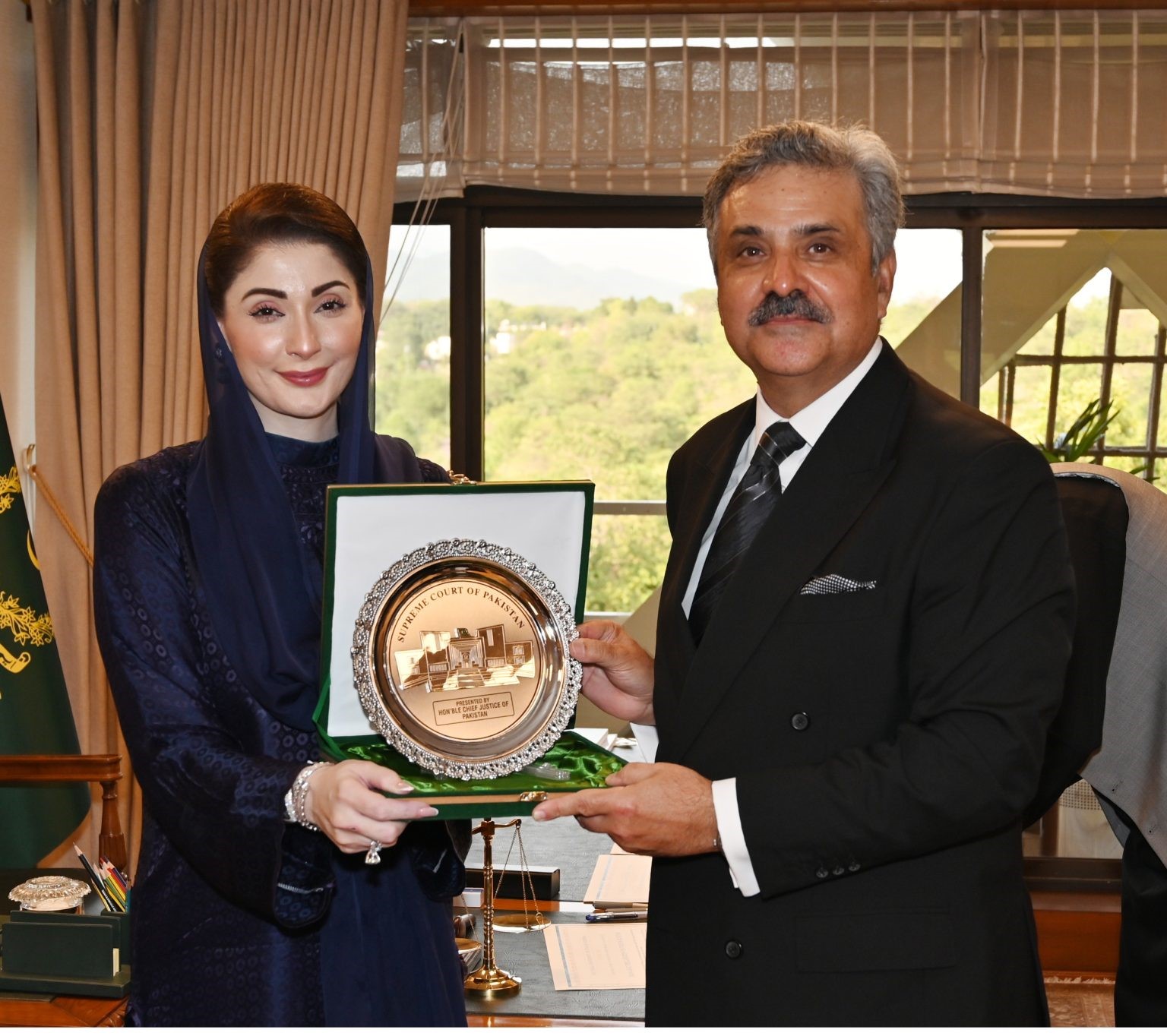
وزیراعلیٰ پنجاب مریم نواز کا خطاب
جیل اصلاحات پر قومی کانفرنس میں شرکت باعث اعزاز ہے
قانون کی بالادستی پر یقین رکھتی ہوں
قانون سے کوئی بھی بالا نہیں ہے
شفافیت پر مبنی انصاف کی مؤثر فراہمی ہر شہری کا حق ہے
قیدیوں کے بنیادی… pic.twitter.com/1o54M9UCSG— PTV News (@PTVNewsOfficial) July 2, 2026
The conference marked a significant step towards developing a nationally coordinated prison reform framework, with the provincial governments collectively reaffirming their commitment to advancing the reform agenda envisioned by the NJPMC.
The event brought together representatives from the judiciary, federal and provincial governments, prison administrations, human rights institutions, law enforcement agencies and development partners to deliberate on the future of Pakistan’s prison system through a collaborative and solutions-oriented approach.
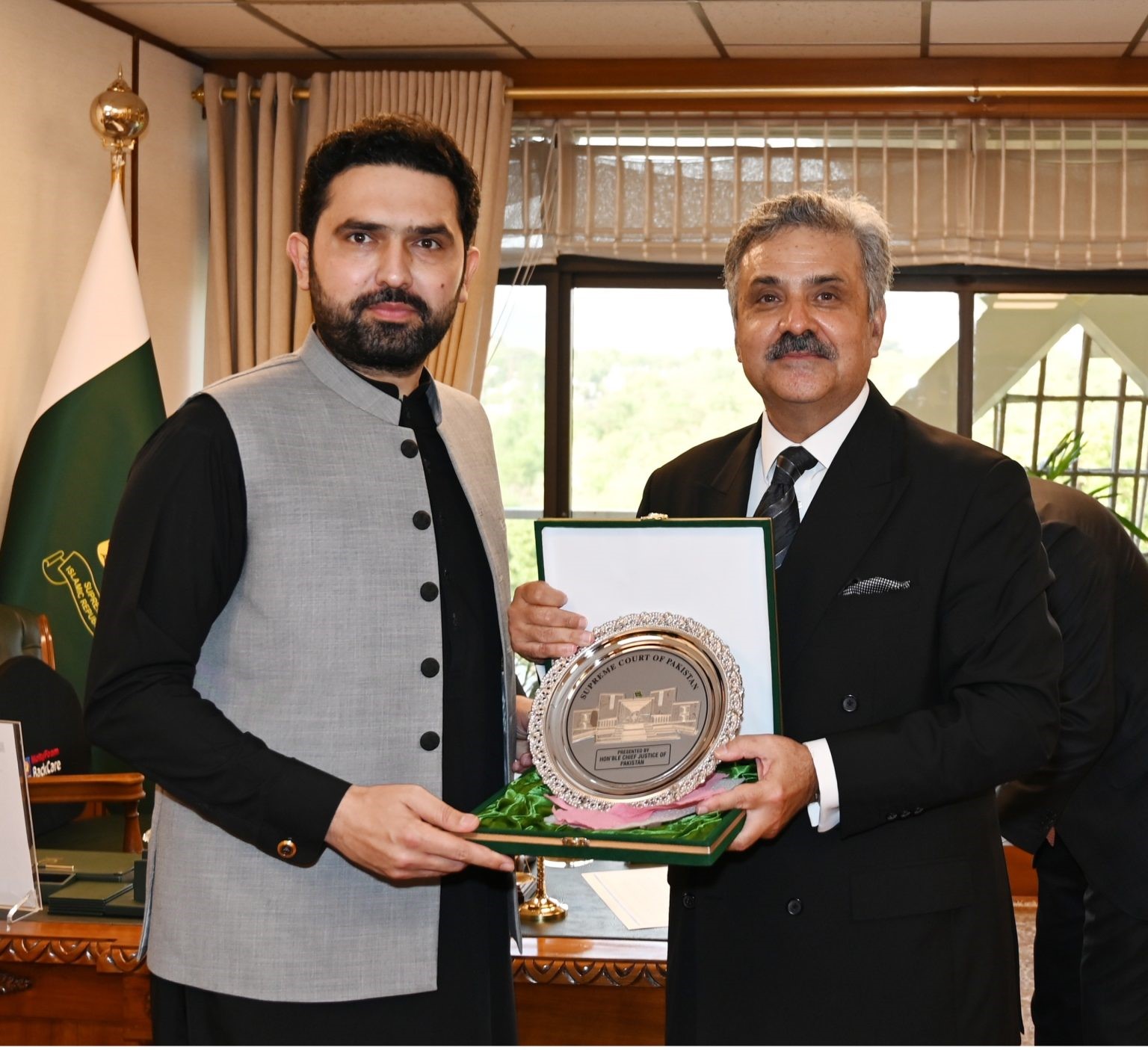
وزیراعلیٰ خیبرپختونخوا سہیل آفریدی کا خطاب
جیلوں کے نظام میں بہترین اصلاحات ناگزیر ہیں، سہیل آفریدی
خیبرپختونخوا میں قیام امن کے لیے اقدامات کر رہے ہیں، سہیل آفریدی
قیدیوں کو سہولیات کی فراہمی کے لیے اقدامات نہایت اہم ہیں، سہیل آفریدی
قیدیوں کی صحت کے حوالے سے خصوصی اقدامات کیے… pic.twitter.com/2ods45Rd68— PTV News (@PTVNewsOfficial) July 2, 2026
A defining feature of the conference was the participation of the chief ministers of Balochistan, Khyber Pakhtunkhwa, Punjab and Sindh, who unanimously reaffirmed their commitment to supporting and implementing the prison reform agenda under the guidance of the NJPMC.
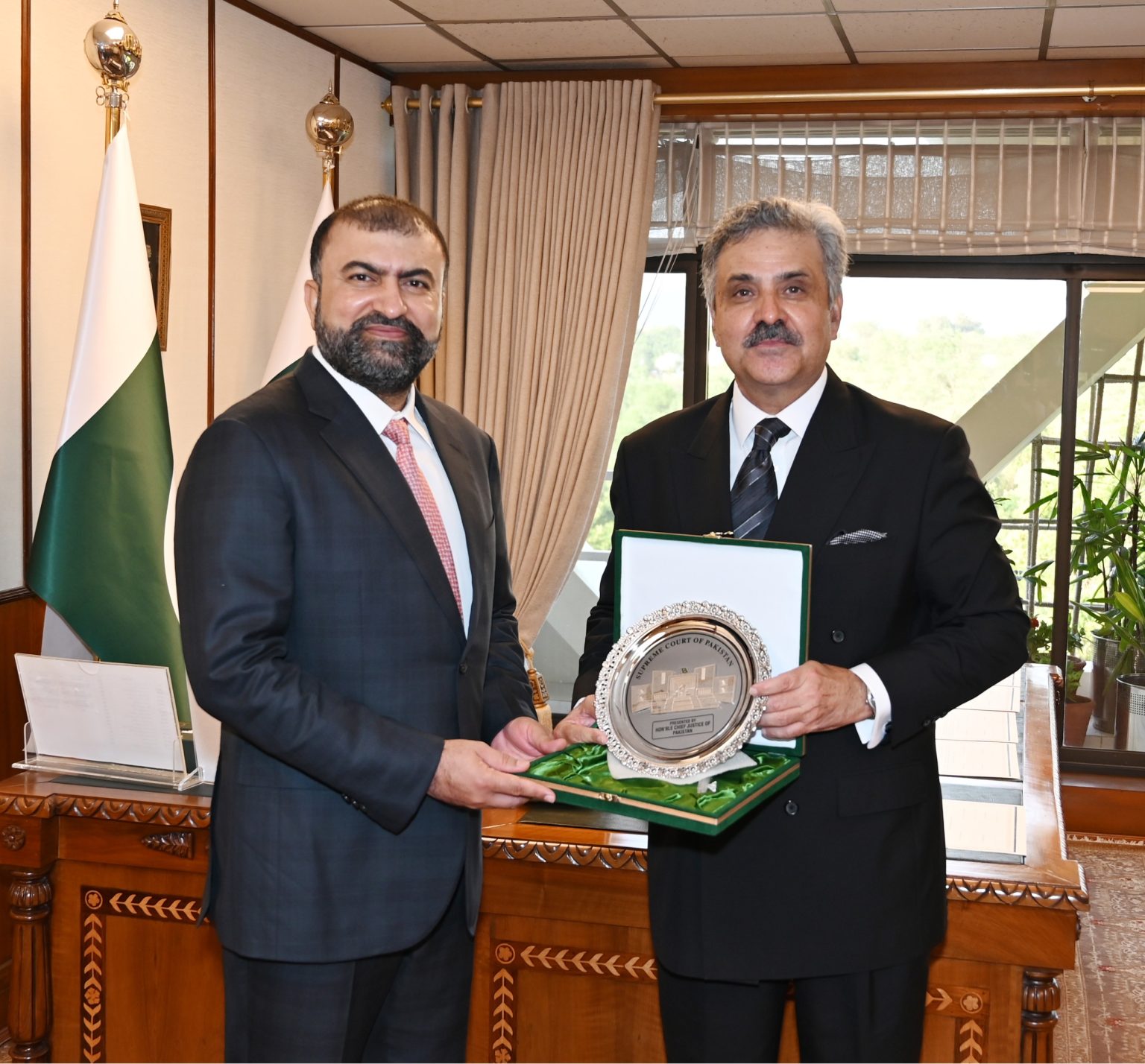
وزیراعلیٰ بلوچستان سرفراز بگٹی کا خطاب
نظام انصاف میں قیدیوں کے حقوق کے تحفظ کو بڑی اہمیت حاصل ہے
جیل اصلاحات انصاف کے نظام کو مزید شفاف اور مؤثر بنا سکتی ہی
قیدیوں کے بنیادی انسانی حقوق کا تحفظ ریاست کی ذمہ داری ہے
قیدیوں کو معاشرے کا مفید شہری بنانے کے حوالے سے اقدامات ناگزیر… pic.twitter.com/8o8P2ojdzg— PTV News (@PTVNewsOfficial) July 2, 2026
The federal minister for law and justice and the chairperson of the National Commission for Human Rights also addressed the gathering.
Prisons are a provincial subject under Pakistan’s Constitution, with responsibility for prison administration resting with the provincial governments.
“Prisons reflect the true pulse of the criminal justice system, and meaningful reform requires shared institutional responsibility and sustained provincial leadership,” Justice Afridi said, welcoming the provinces’ collective commitment to advancing the NJPMC’s National Prison Reform Action Plan through coordinated and practical reforms.
Highlighting the judiciary’s efforts to reduce delays, the chief justice said the Supreme Court had cleared the backlog of almost all death penalty appeals filed before the end of 2025, describing the achievement as an important step towards improving Pakistan’s criminal justice system.
He noted that delays in the justice system had long contributed to prison overcrowding and the prolonged incarceration of undertrial prisoners and convicted inmates awaiting decisions on their appeals.
“When we embarked on this journey to address death appeals, we had cases pending of death appeals filed in 2015 and, by the grace of God, we’ve been able to decide 606 death appeals till 30th of June 2026,” he said.
“You’ll also be pleased to know that all cases filed prior to 31st of December 2025 have been decided, barring three cases which are fixed for Monday and Tuesday.”
The chief justice said 70 death appeals had been filed between Jan. 1 and June 30 this year, of which 52 had already been decided, leaving about 20 pending.
Justice Afridi said the issue became a personal priority after meeting a death-row inmate during a visit to the Central Jail in Dera Ismail Khan shortly after assuming office as chief justice.
“I asked him, do you have clean drinking water? Do you have adequate food? Do you have access to health care?” he recalled.
“In response, he looked at me and without hesitation said, ‘Sir, I do not need food, water to drink or health care. Please ensure that my death appeal pending in the court since 2017 is decided.’”
“That was not an inmate addressing his Chief Justice,” he continued. “It was one human being asking the other whether the system responsible for his life had remembered him at all or had forgotten about him.”
Describing the progress on death appeals as “very encouraging, but not enough,” Justice Afridi said the judiciary still had “a long journey to go.”
“We must acknowledge this plainly because reform begins with honesty,” he added.
The Supreme Court’s prison reforms conference was attended and addressed by the chief ministers of all four provinces, reflecting what participants described as a shared national resolve to strengthen prison administration, improve rehabilitation and reintegration of inmates, uphold human dignity and modernise correctional services through coordinated federal-provincial cooperation.
The conference provided a high-level platform for constructive dialogue on the challenges confronting Pakistan’s prison system and explored practical measures to strengthen prison governance, improve rehabilitation programmes, enhance inter-agency coordination and promote a rights-based approach to prison management.
The conference concluded with the adoption of the Conference Declaration, setting out a broad policy framework and future roadmap for prison reforms in Pakistan. The declaration reflects the shared commitment of all stakeholders to pursue coordinated and sustainable reforms.
Comments
No comments yet. Be the first to join the discussion!


