Oil edges higher as traders watch US-Iran peace efforts
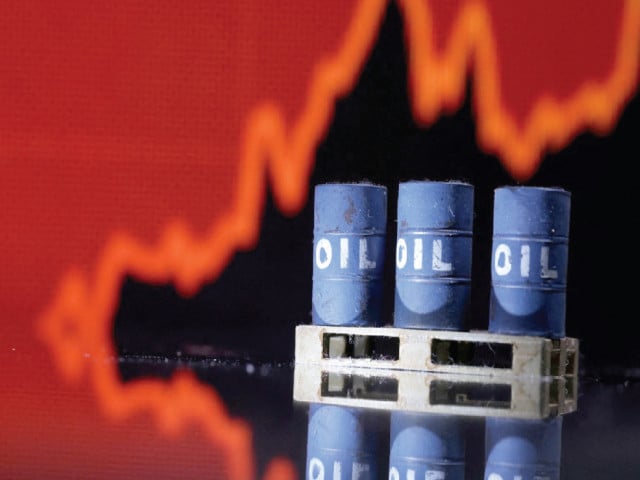
Oil prices rose slightly on Friday as markets weighed fragile optimism over US-Iran peace efforts against rising supply through the Strait of Hormuz. Brent and WTI both posted small weekly gains.


LONDON: Oil prices posted modest gains on Friday ahead of a long holiday weekend in the United States, with markets retaining cautious confidence in efforts to preserve peace between Washington and Tehran.
Brent crude futures rose 46 cents, or 0.64%, to $72.26 a barrel by 0407 GMT, while US West Texas Intermediate gained 32 cents, or 0.47%, to $69.01 a barrel. US markets are closed on Friday before the Independence Day holiday on Saturday.
In the previous session, both benchmarks had fallen to their lowest levels since before the US-Israeli war on Iran began in late February. For the week, Brent was up 0.35% and WTI 0.43%, marking the narrowest weekly moves for both benchmarks in months.
Tim Waterer, chief market analyst at KCM Trade, said the market remained hopeful but unconvinced about the durability of diplomacy. "It's a case of guarded optimism, with the market wanting to believe the peace efforts will hold, but it’s still hedging its bets until it sees real evidence on the water," he said.
Shipping and supply in focus
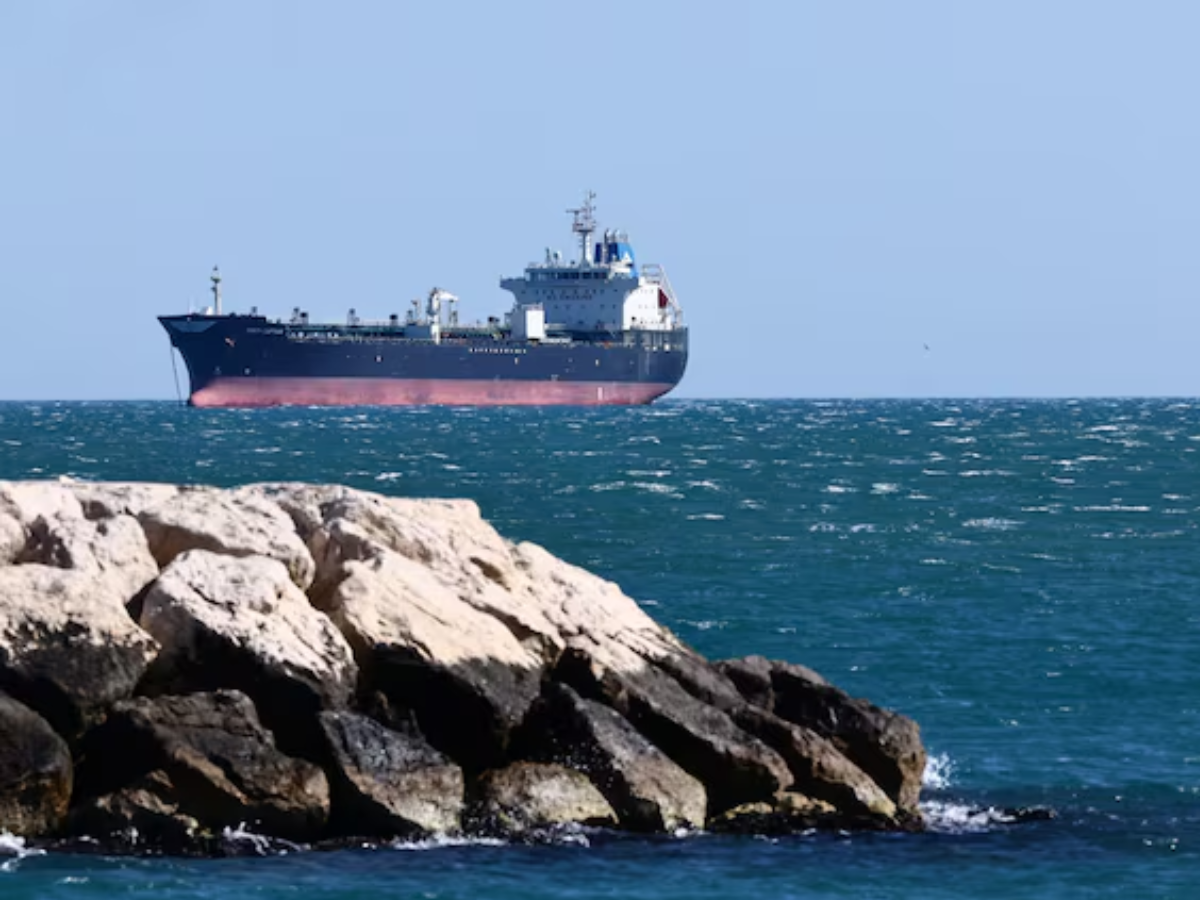
Part of the market’s attention remained on the Strait of Hormuz, where shipping has partly restarted under the initial agreement between Iran and the United States. The resumption followed exchanges of strikes last weekend after an Iranian attack on a cargo ship.
Producers in the Gulf are seeking to increase output as the waterway reopens. Before the conflict began, the Strait of Hormuz handled one-fifth of the world’s daily oil and liquefied natural gas supply.
Kuwait’s oil output increased to 1.65 million barrels per day in June from 580,000 bpd in May, according to a source familiar with the matter cited by Reuters on Thursday. The increase came as the OPEC member expanded exports after the interim peace understanding between the United States and Iran.
According to trade sources and shipping data, at least five supertankers carrying a combined 10 million barrels of Saudi oil have also passed out of the Strait of Hormuz. Saudi Aramco has shifted to spot pricing in an effort to accelerate sales in Asia.
Market structure shifts
Rising supply has also affected the shape of the oil market. The spread between front-month Brent and the one-month forward contract moved below zero on June 24, and the six-month spread also turned negative on Thursday. A negative spread indicates the market is in contango.
ING analysts said in a note on Friday that returning supply is arriving alongside continued releases from the US Strategic Petroleum Reserve.
The analysts added that with the forward curve moving into contango, we could start to see more buying in the market.
Comments
No comments yet. Be the first to join the discussion!