Road to Gilgit-Baltistan remains open despite temporary disruptions, officials say
Officials and recent travellers say routes to Gilgit-Baltistan remain open despite temporary weather-related disruptions. They urged tourists to follow official weather and road advisories before travelling.

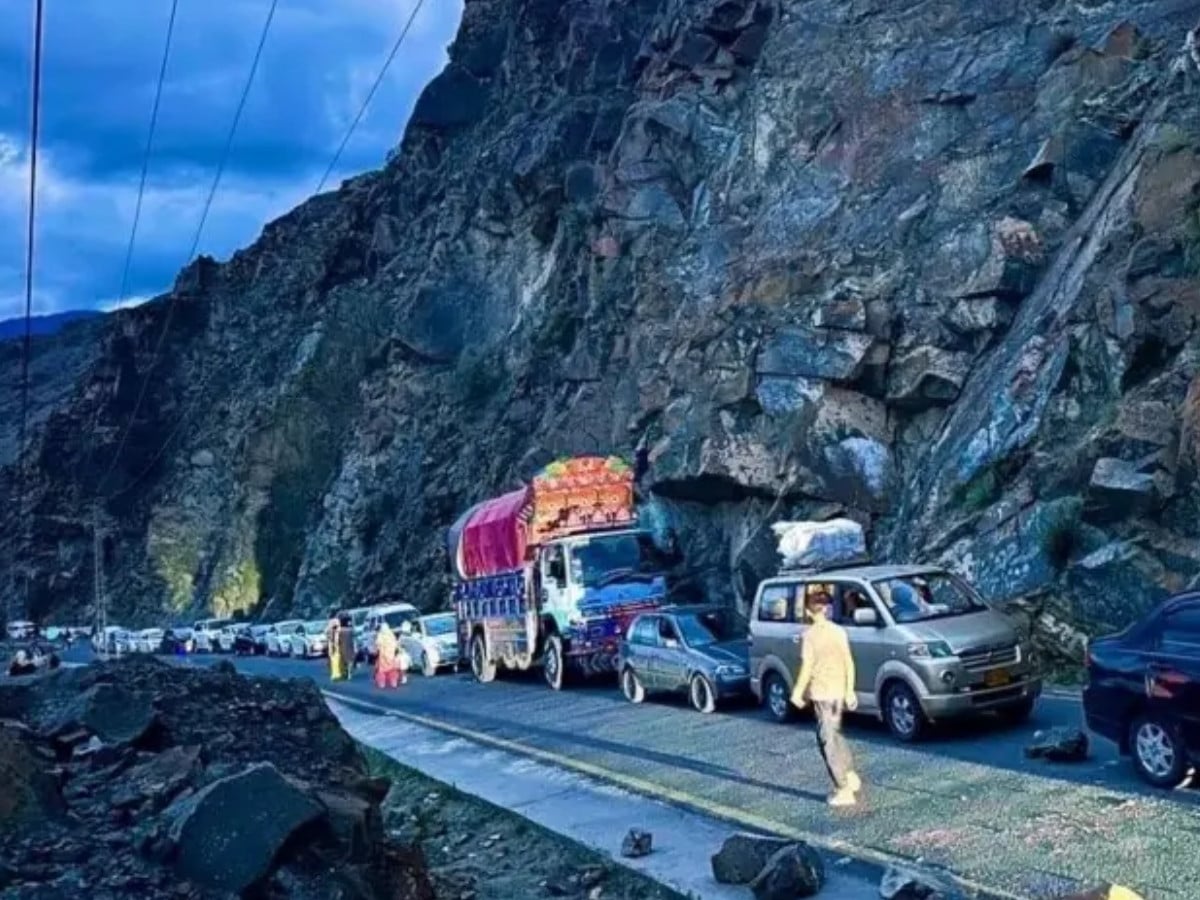
ISLAMABAD: Travel to Gilgit-Baltistan has continued despite social media posts warning of floods, landslides and widespread road closures, with officials and recent visitors saying disruptions have largely been temporary and localised.
The confusion has grown since early June, when videos showing floods, cloudbursts, rain and landslides circulated online, prompting some users to advise tourists against travelling to Gilgit-Baltistan and even to cancel trips. At the same time, tourism-focused social media accounts have continued promoting travel to the region.
Travellers report delays, but not full route shutdowns
Recent visitors told iVerify Pakistan that they encountered some disruption but did not see the situation reflected in many viral posts. Simran Abeer, who recently returned from the north, said she had expected severe conditions after hearing reports of landslides before departure.
She said road conditions had improved by the time her group reached Babusar Top.
"I heard reports of landslides before setting out and was prepared for the worst … but by the time we reached the Babusar Top, the roads had already been cleared,"Abeer also said she did not experience active snowfall during the trip, though she observed snow melting at higher points and muddy stretches along the road.
"But I did see snow at the top melting and muddy patches along the road,"Yusra Aiman, who visited Gilgit-Baltistan in mid-June, said starting the journey early in the morning helped and described the drive on the Karakoram Highway as smooth.
Both travellers said their main delay came not from weather conditions but from protests. Abeer said they were held up in Chilas because of road blockades on June 20 and 21.
"We were stuck on the road for around 38 hours on June 20 and 21,"Officials say monsoon can cause short-term closures
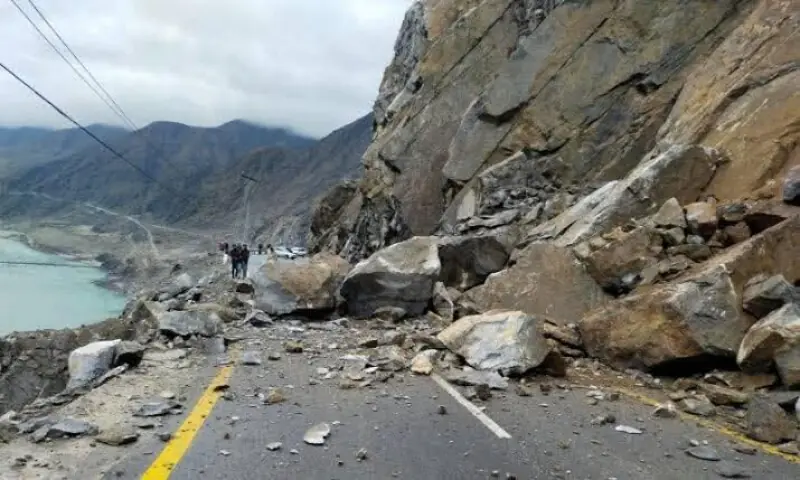
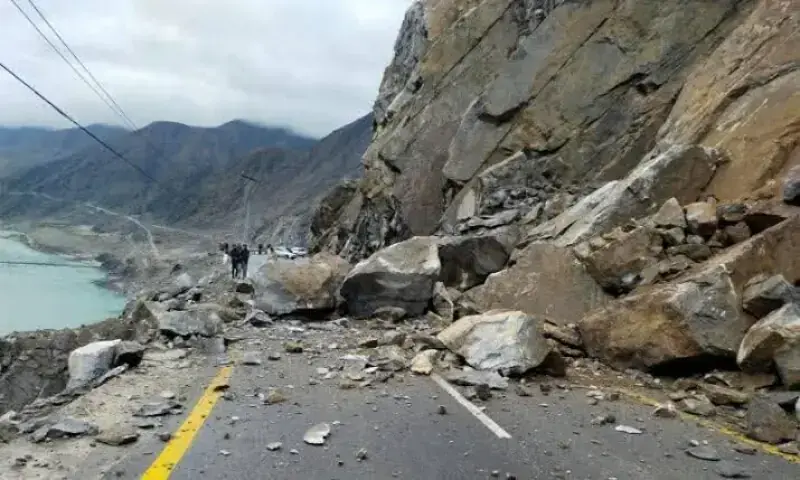
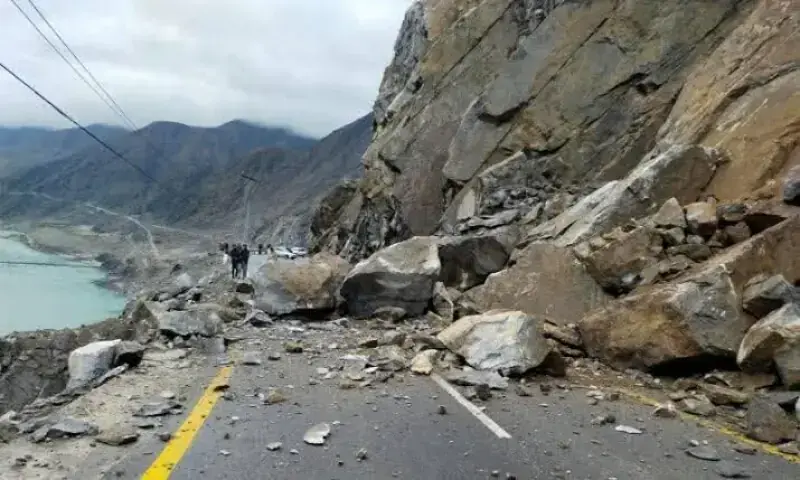
Heavy rain on June 17 triggered landslides and mudflows that temporarily blocked sections of the Karakoram Highway in Diamer and the Baltistan Road in Skardu. Authorities later cleared the roads and advised travellers to confirm conditions before setting out.
Safi Ullah, deputy director of tourism for Gilgit-Baltistan, said online content often fails to show the full picture. He said travellers reach Babusar Top through two main routes: one via the Karakoram Highway through Gilgit-Baltistan and the other through Naran-Kaghan in Khyber-Pakhtunkhwa.
He said heavy monsoon rain can lead to flooding, especially in Diamer district, where temperatures are higher than in much of the rest of the region.
"If rainfall exceeds normal levels, there are chances of flooding in Diamer, which can temporarily block roads for one or two days,"However, he said such disruption is not a daily occurrence and advised travellers to rely on official updates before departure.
"Travellers should simply check official advisories before starting their journey,"Raza Haider, director north at WWF-Pakistan, also said landslides are common in the mountainous region and become more frequent during the monsoon.
"Landslides are a usual phenomenon in G-B. During the monsoon, their frequency increases due to heavy rainfall. The Karakoram Highway is generally open and is only temporarily blocked when landslides occur,"He also described how temperature shifts affect mountain slopes.
Haider said the recent cloudburst in Diamer’s Thore Valley, which gained wide attention on social media, was limited to that valley and did not affect major roads or transport arteries across Gilgit-Baltistan.
Advisories remain key for travellers
For the period from June 27 to July 3, the Pakistan Meteorological Department and the National Disaster Management Authority warned of rainfall combined with rapid glacier melt in Gilgit-Baltistan and Khyber-Pakhtunkhwa. The advisories said the conditions could cause flash floods, landslides, mudslides, debris flow and increased river levels.
Safi Ullah said the glacier lake outburst flood alerts were aimed at remote interior valleys and were not expected to affect the Karakoram Highway itself. He added that even moderate rain can still trigger landslides on the highway, but authorities usually clear roads within 24 to 48 hours.
The deputy director said this was "the ideal time to visit GB" and added that no rain or weather alerts were forecast for the 10 days after July 3, while also noting that rain forecasts cannot be fully precise.
Officials and experts advised travellers to monitor updates from the PMD, NDMA and Gilgit-Baltistan authorities, and to use the Tourist Police helpline for live road and weather information. They also advised avoiding travel during heavy rainfall or when active advisories are in place.
Comments
No comments yet. Be the first to join the discussion!