June 29, 2026
Sindh’s mango season wilts under growing challenges
Sindh’s mango season is under pressure from disease, pest attacks, weaker fruit quality and difficult market conditions. Growers, contractors and traders say the Afghanistan border closure, export delays and Middle East disruption have added to a market glut.

June 29, 2026
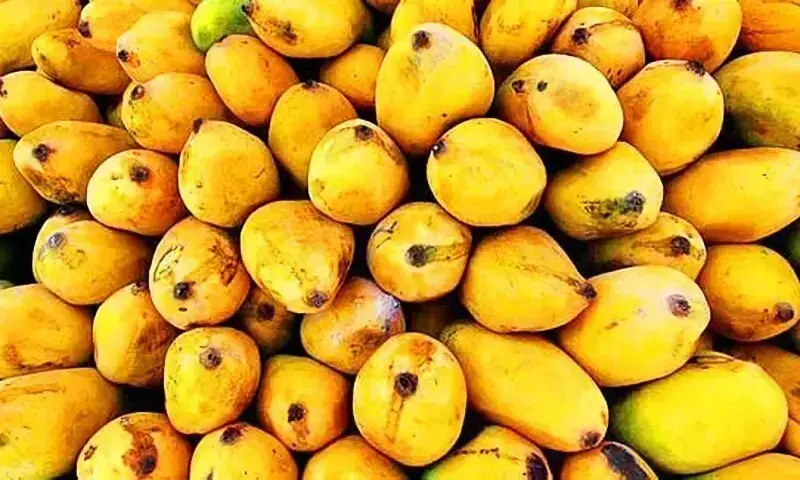
HYDERABAD: Sindh’s mango crop is facing renewed strain this season as disease-hit output, pest attacks, delayed exports and difficult regional marketing conditions weigh on growers, contractors and traders, while lower prices have brought some relief to consumers.
At an orchard near Hyderabad in Tandojam, contractor Jam Siraj said the harvested Sindhri crop was of poor quality and unlikely to secure better market rates. He said disease in Sindhri mangoes and the closure of the Afghanistan border had sharply hurt market prospects, adding that some contractors had abandoned orchard agreements midway after making partial payments to owners because they saw little chance of recovering costs.
Siraj said lower Sindh’s orchards were already under pressure from crop disease and pest infestation, prompting contractors and owners to begin chemical spraying. He said quality medicines were used as early as December after signs of hopper infestation emerged, but losses still remained significant despite efforts to save the crop.
Disease and pest pressure
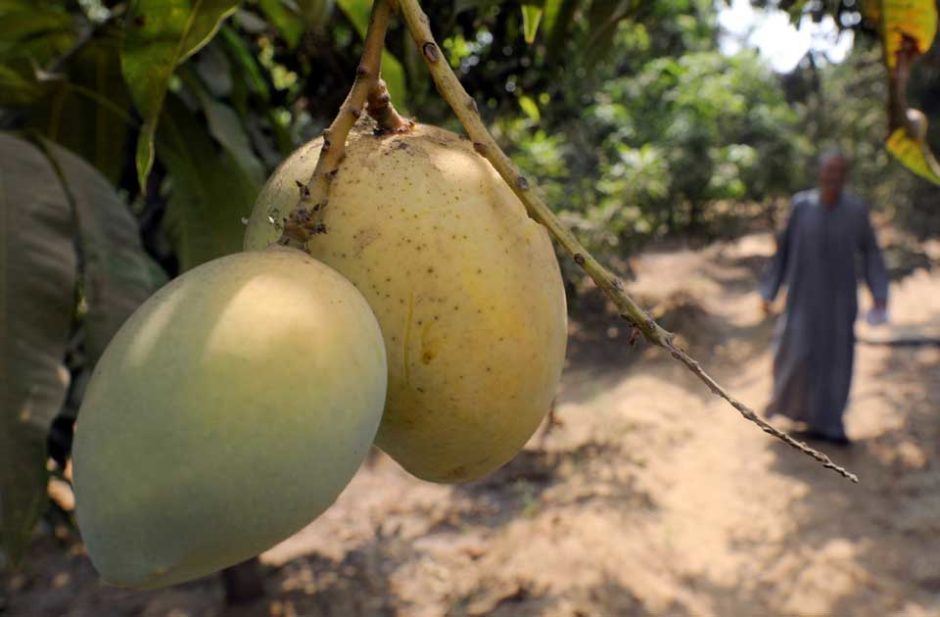
The crop has been affected by batoor, locally used for mango malformation, which appears during the flowering stage in January and February and weakens healthy flowering. The disease is also said to create conditions that help pests spread, particularly hopper and thrips, further damaging fruit quality, size, colour and shape.
Pest attacks have repeatedly affected orchards in lower Sindh, especially in Tando Allahyar, a major Sindhri-producing area. Orchard owners have called for support from the agriculture research department, while researchers say they have advised growers to follow specific protocols and that losses are lower where those recommendations are implemented.
According to figures cited from the Sindh Agriculture Research Department, mango orchard acreage fell to 58,900 hectares in 2025 from 62,455 hectares in 2016.
Mahmood Nawaz Shah, president of the Sindh Abadgar Board, said this year’s pest attacks had been unusual and described malformation as a contagious disease without a known cure. He said malformed stems must be removed and either burnt or buried to stop the disease from spreading, a process he said was labour-intensive. He called for stronger research and evidence-based responses to these challenges.
Glut, prices and export delays
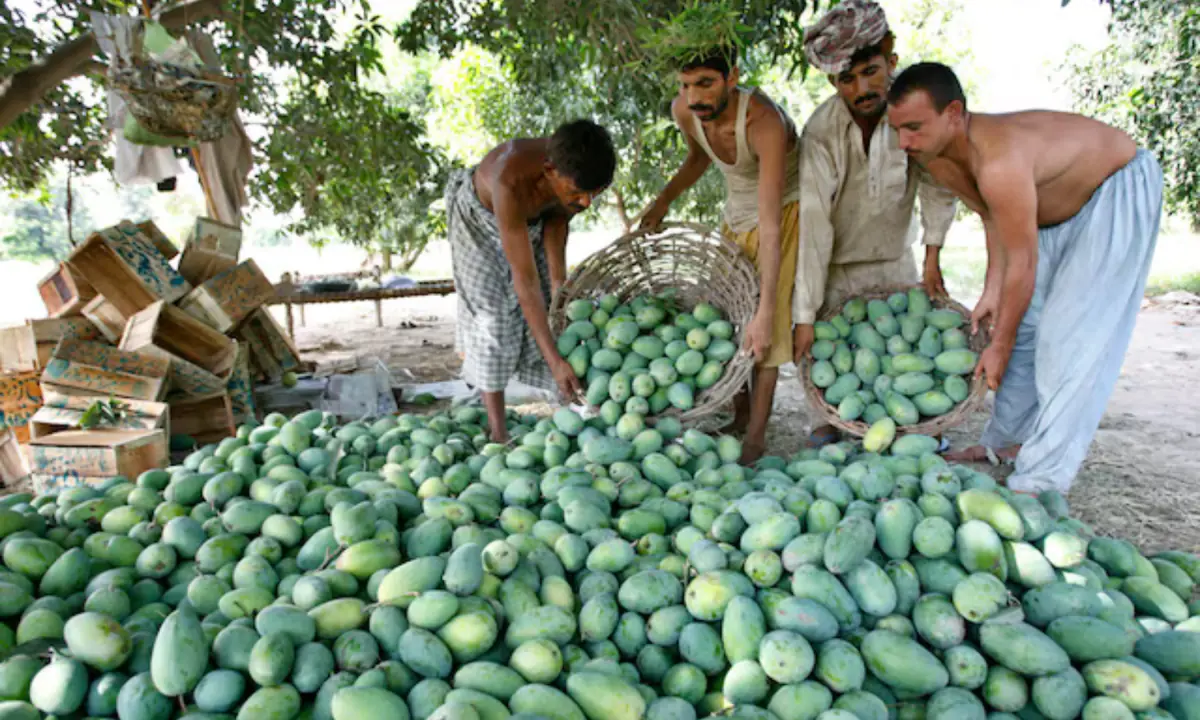
Reduced quality has meant that a large share of the crop is being sold as second-grade fruit at lower prices. At the same time, contractors and traders have linked the market glut to the closure of the Pak-Afghan border and disruption caused by the conflict in the Middle East, alongside delayed exports and subdued demand.
Trade with Afghanistan was closed in October 2025, after the previous mango season had ended. Siraj said lower-grade mangoes usually move in large volumes to Afghanistan and help stabilise prices in the domestic market. He said he sold a 60kg sack of unripe mangoes for Rs200 to Rs400 at Tando Allahyar’s Khawaja fruit market, a level he said did not cover costs. He added that out of an average 7,000 boxes weighing 9 to 10kg each, around 3,000 boxes contained low-quality fruit.
Faiz Bhutto, a fruit commission agent in Hyderabad’s mandi, also said Sindhri mangoes were selling at about Rs100 per kg this year, compared with Rs120 to Rs130 per kg last year, which he linked to plentiful supply in the market. He also said poor orchard management was an important reason for disease vulnerability, noting that chemical sprays often do not adequately reach the canopy of large trees.
Disagreement over export timing
Shah Mohammad Talpur, who owns the orchard being harvested by Siraj, said he planned to change the orchard’s structure. He said around 25 per cent of the trees were taller than 30 feet, which affected nutrient reach and spray coverage, and that the trees would be pruned next year as part of a production trial so that air and sunlight could better enter the orchard.
Mahmood Nawaz Shah said the export season started on June 1 this year instead of May 25, and argued that the delay contributed to the glut because timing is critical during Sindhri’s short season. He also said exports to Dubai had slowed because of conditions in the Middle East, adding that around 300 containers are normally shipped in early June but that the situation remained weak even by June 10.
Exporter Abdul Waheed, however, disagreed that the June 1 opening was the main problem. He said the timing was appropriate because of Eid holidays in key importing countries, the Middle East conflict, immature fruit and Brix levels below standard. He also said exports account for only 3 to 4 per cent of total production, so delays alone could not explain the glut, and added that vessel availability had also been affected by the war. He said export performance depended mainly on quality, appearance and size, and that improvements in those areas could raise export volumes and improve returns for growers. He also noted that Pakistan competes with countries such as India, whose mango season starts earlier.
0 Comments
No comments yet. Be the first to join the discussion!