June 23, 2026
PHC unveils reform package to improve judicial system
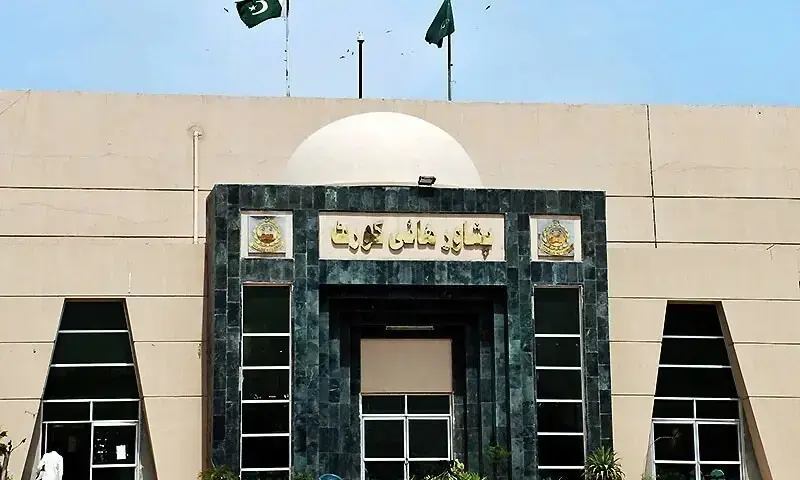
The Peshawar High Court has announced a wide-ranging reform package for Khyber Pakhtunkhwa’s judicial system. The plan includes criminal and civil justice changes, digital tools, ADR centres and judicial service reforms.

June 23, 2026
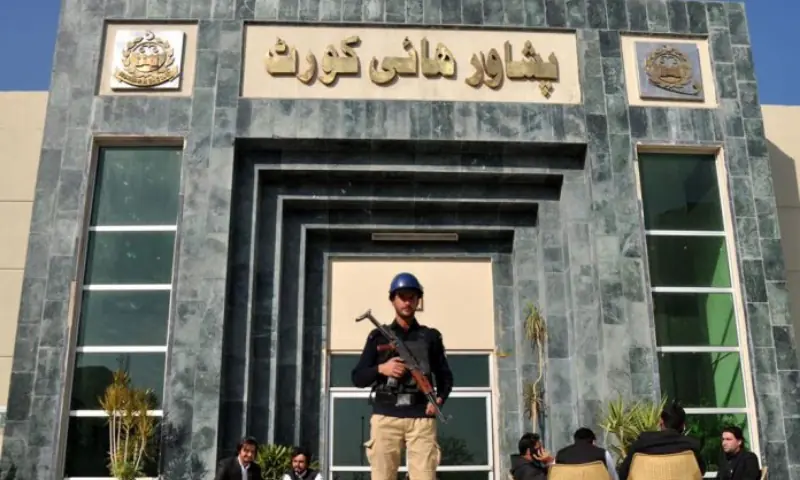
PESHAWAR: The Peshawar High Court has launched a broad set of reform initiatives aimed at strengthening institutional capacity, improving public trust and making justice in Khyber Pakhtunkhwa more affordable, timely, transparent and accessible, according to a statement issued on Monday.
The statement said the reforms are guided by the principles of equality, fairness, accountability, transparency, participation, timeliness and respect. It said the package is intended to tackle structural problems in both the criminal and civil justice systems while protecting constitutional rights and reinforcing the rule of law.
Criminal justice measures
According to the statement, the proposed changes in the criminal justice system focus on improving procedure, accountability and transparency. Among the key steps are reforms related to the handling and storage of narcotics case property, the introduction of standardised judicial Maalkhana procedures, and the use of modern tracking tools such as QR codes and tamper-evident packaging to help preserve the integrity of evidence.
The statement said the reforms also seek to improve the independence and effectiveness of investigation and prosecution services, while strengthening witness protection arrangements within the existing legal framework. It added that these steps are meant to modernise criminal justice administration, cut procedural delays and support a more efficient and accountable system.
Technology and legal amendments
Technological integration forms a central part of the reform agenda. The statement said proposed measures include e-filing, digital case management through the Case Flow Management Information System (CFMIS), e-payments, and transcription and translation services to improve judicial efficiency and case management.
It added that integration with Nadra and other relevant institutions has also been proposed to enhance transparency, accountability and access to justice. Corresponding amendments have been proposed to the Code of Criminal Procedure, 1898, and the Code of Civil Procedure, 1908.
Civil justice and institutional changes
In the civil justice sector, the reforms are aimed at improving decree execution, service of process and court record management through amendments to relevant laws and rules, the statement said. It added that measures have also been proposed to improve record management in cases decided by anti-terrorism courts.
To help resolve disputes more quickly and reduce the case backlog, the statement said the court has proposed setting up court-annexed alternative dispute resolution centres. These centres would allow eligible civil matters and compoundable criminal cases to be settled through accredited ADR practitioners, with outcomes recognised by law.
The reform package also includes institutional measures related to judicial service matters, recruitment and promotion procedures, professional training and performance evaluation systems to support merit-based administration in the judiciary. The statement said a unified judicial service tribunal is envisaged to decide service-related disputes involving the subordinate judiciary and Peshawar High Court staff through an independent forum.
Other proposals focus on strengthening recruitment and promotion through specialised pre-promotion training, structured performance-based assessments and steps aimed at improving efficiency, transparency and merit in judicial appointments, in line with decisions of the National Judicial Policy Making Committee.
According to the statement, the next phase of the reforms will move forward pending administrative, legislative and institutional initiatives, including stronger case management systems, judicial service reforms, better residential facilities, improved performance evaluation mechanisms for judicial officers, and measures to ensure continuity in judicial functioning.
0 Comments
No comments yet. Be the first to join the discussion!