PHC orders KP government to identify officials delaying justice reforms
The Peshawar High Court has ordered the KP government to identify officials responsible for delaying criminal justice reforms and submit a compliance report within a month. The court said the interim report showed only superficial progress.

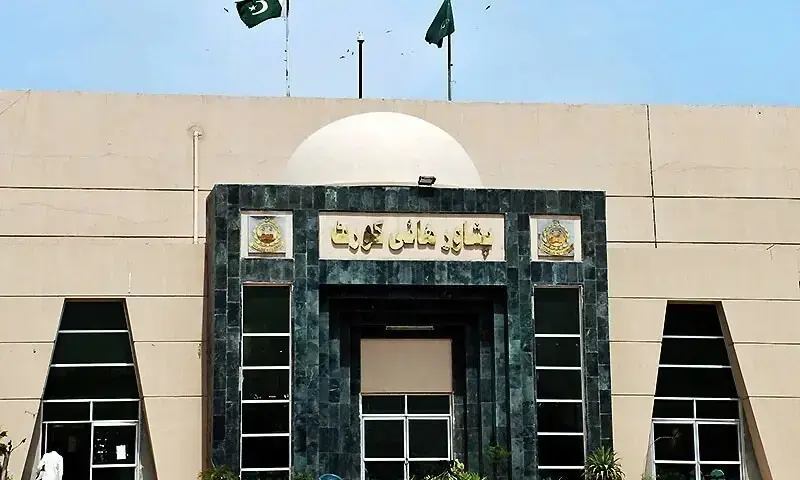
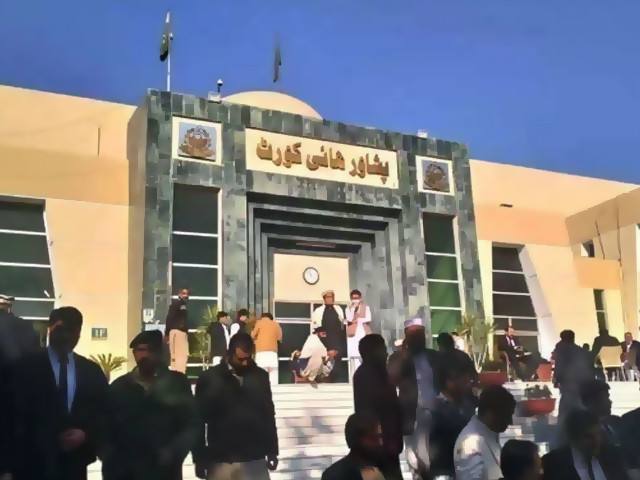
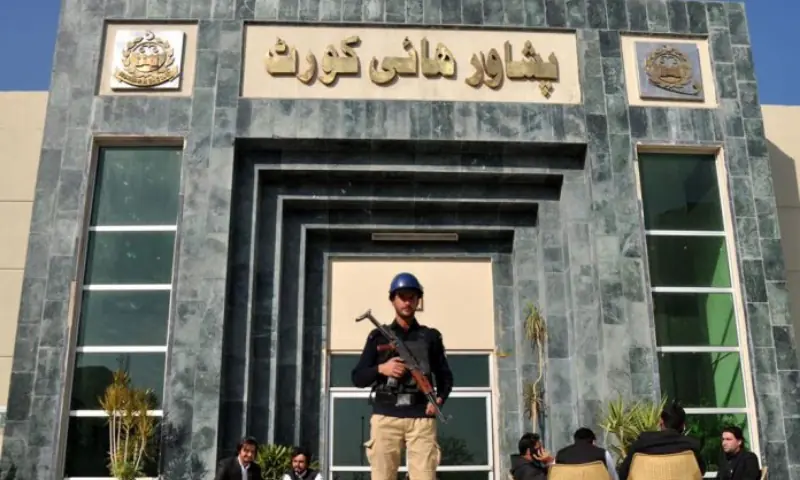
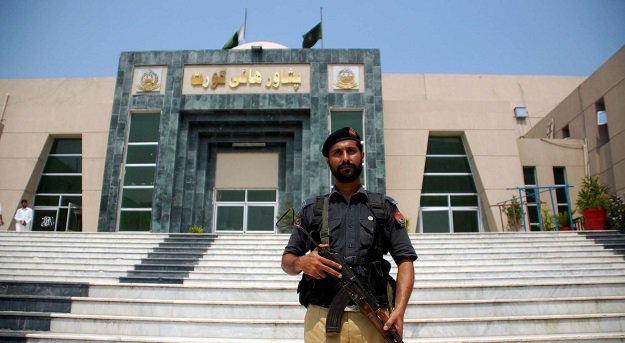
PESHAWAR: The Peshawar High Court (PHC) has directed the Khyber Pakhtunkhwa government to identify officials responsible for delaying implementation of its larger bench ruling on criminal justice reforms, while giving the provincial chief secretary one month to submit a compliance report.
In a 13-page detailed order issued on a contempt petition, a bench comprising Chief Justice S.M. Attique Shah and Justice Mohammad Ijaz Khan expressed dissatisfaction with an interim report filed on behalf of the provincial government and administrative secretaries. The court said the exercise appeared to be superficial and did not reflect meaningful or effective compliance with the judgement delivered on Jan 15, 2026.
The order was passed in a contempt petition filed by Asifullah, who argued that the respondents, including the provincial government, had failed to comply with the directions and guidelines laid down by a larger bench. The case was heard on May 21, and the next hearing has been fixed for July 1. The court also appointed Additional Advocate General Naumanul Haq Kakakhel as focal person in the matter.
At the request of Chief Secretary Shahab Ali Shah, the bench allowed one month for submission of a compliance report, but warned that tangible and result-oriented steps must be taken for swift and complete implementation of the judgement. If inaction, negligence, deliberate delay or non-compliance continued, it would proceed in accordance with the law against the officials found responsible.
Court raises governance concerns
The court also voiced concern over what it described as governance issues in the province, observing that claims of good governance, transparency, merit and accountability were not borne out by the situation coming before it. Such practices eroded institutional credibility, undermined merit, promoted favouritism and weakened public confidence in governance and state institutions.
The bench said people in the province continued to suffer loss of life as well as deprivation of honour, dignity, liberty and property, while weak criminal justice administration and ineffective dispensation of justice were denying them timely and effective justice guaranteed under Article 37(d) of the Constitution.
Referring to accountability within public institutions, the court noted that before issuing the judgement in question, the judiciary had itself taken corrective steps and proceeded against nearly 21 judicial officers in BPS 18 to 21 on misconduct allegations, with those officers ultimately removed from service after due process. There was no justification for the executive’s failure to identify and proceed against corrupt, inefficient and delinquent officials in its own departments.
The order further stated that corruption, maladministration and abuse of authority by public functionaries had damaged institutional integrity and weakened governance structures, contributing to a conviction rate of 7pc to 8pc and shaking public confidence in the justice delivery system.
Interim report details steps taken
According to the interim report submitted by Advocate General Shah Faisal Uthmankhel, implementation of the court’s guidelines, directives and recommendations required action by both the executive and the legislature. The Home and Tribal Affairs Department had circulated the guidelines to all stakeholders and departments with the chief secretary’s approval.
Draft bills received from the high court for criminal justice system reforms were under consideration by the Criminal Justice Reforms Committee headed by the law secretary. After finalisation and approval, the bills would be processed under the Khyber Pakhtunkhwa Government Rules of Business, 1985, and then placed before the provincial assembly for enactment.
The provincial cabinet, in its 49th meeting held on March 9, 2026, approved financing from the provincial exchequer for establishment of a forensic science laboratory in Peshawar, and that Nespak had submitted a PC-I with an estimated cost of Rs20 billion.
It further stated that amendments for effective implementation of the Alternate Dispute Resolution mechanism had been processed and approved by the Cabinet Committee on Legislation headed by the law minister, and that the draft bill would be presented to the cabinet. The constitution of the Witness Protection Board and Witness Protection Units under the Khyber Pakhtunkhwa Witness Protection Act, 2021, was also stated to be under consideration for approval by the provincial government.
Comments
No comments yet. Be the first to join the discussion!