June 23, 2026
Extreme heat, outages and water scarcity deepen hardship in Jacobabad
A report based on fieldwork in Jacobabad says extreme heat is being intensified by long power cuts, costly drinking water and deepening poverty. Residents describe conditions that are turning survival into a daily struggle.

June 23, 2026
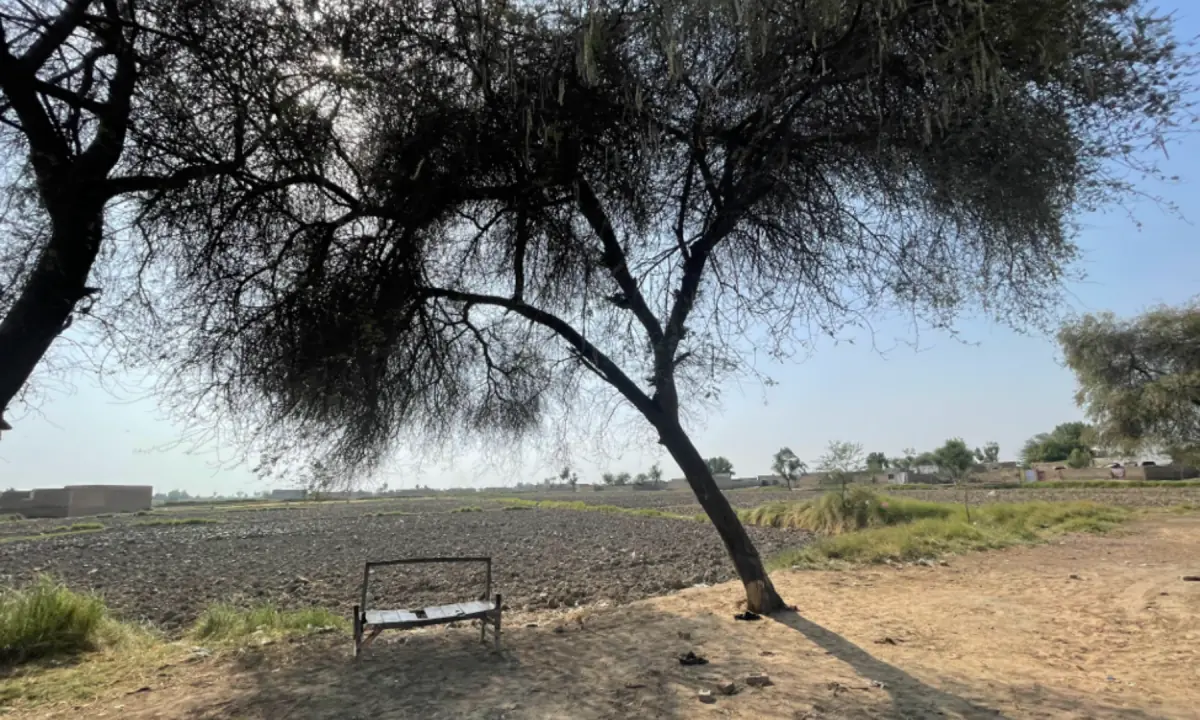
KARACHI: Residents of Jacobabad are facing worsening hardship as extreme heat combines with prolonged electricity outages, costly drinking water and growing poverty, based on fieldwork conducted under the project Reducing Global Catastrophic Risk from Unseen Climate Extremes by the Karachi Urban Lab-IBA and King’s College London.
The Pakistan Meteorological Department had again warned of intense heatwave conditions across Sindh, but in Jacobabad — long described as one of the hottest places on Earth — severe heat is a routine part of life. What residents say is changing is the intensity of the heat and the rising cost of coping with it. During the visit, the heat index reached 51°C.
One resident, Shabana, 42, described enduring three days without electricity while relying on a small solar-powered fan, with her daughter tracking the sun in the courtyard to keep the panel charged. She said heat had been a fact of life in the past as well, but electricity and water had been more reliable.
"It used to be hot before as well. But electricity did not disappear this often, and water was always available. There has been no electricity at my house for the last three days. It is very hot. We feel very hot. But what can we do? I feel as though I have dried up because of the heat", she said.
Power cuts and unequal access to cooling
Jacobabad, which had a population of 219,315 according to PBS 2023, is experiencing not only dangerous temperatures but also the compounding effects of weak infrastructure, water insecurity and economic strain. Residents in different neighbourhoods told researchers they were dealing with 14 to 16 hours of daily load-shedding, while some outlying settlements were still not connected to the electricity grid.
In Ajmer Colony, resident Ghulam Hussain said even a functioning ceiling fan through the day would be a major relief. He said families in poor areas save for years to install a small number of solar panels not for appliances or televisions, but simply to keep a fan running.
"Our living conditions are very difficult. There is no electricity connection in our colony. We pull a wire from a neighbouring settlement, but even that only works for a few hours at night. We have nothing to fight this heat. We do not wish for air conditioners or air coolers. We only wish for a ceiling fan that runs throughout the day. Families save for years to install a few solar panels. Not to power televisions or household appliances, but simply to keep a fan running", he stated.
He added, "Heat kills. The air from a fan is a source of life."
The spread of solar energy has also exposed widening differences between households. Better-off families are increasingly able to install larger solar systems, batteries and air conditioners, while poorer residents depend on one or two panels, often without storage, leaving them with cooling only in daylight. Some households have no solar equipment at all.
Water bought daily despite surrounding waterlogged fields
Residents told researchers they experienced two distinct heat periods each year. The first runs from May to early July, bringing dry heat with temperatures frequently above 50°C. The second comes later during the rice cultivation season, when standing water in nearby fields raises humidity and creates conditions many residents consider even more difficult.
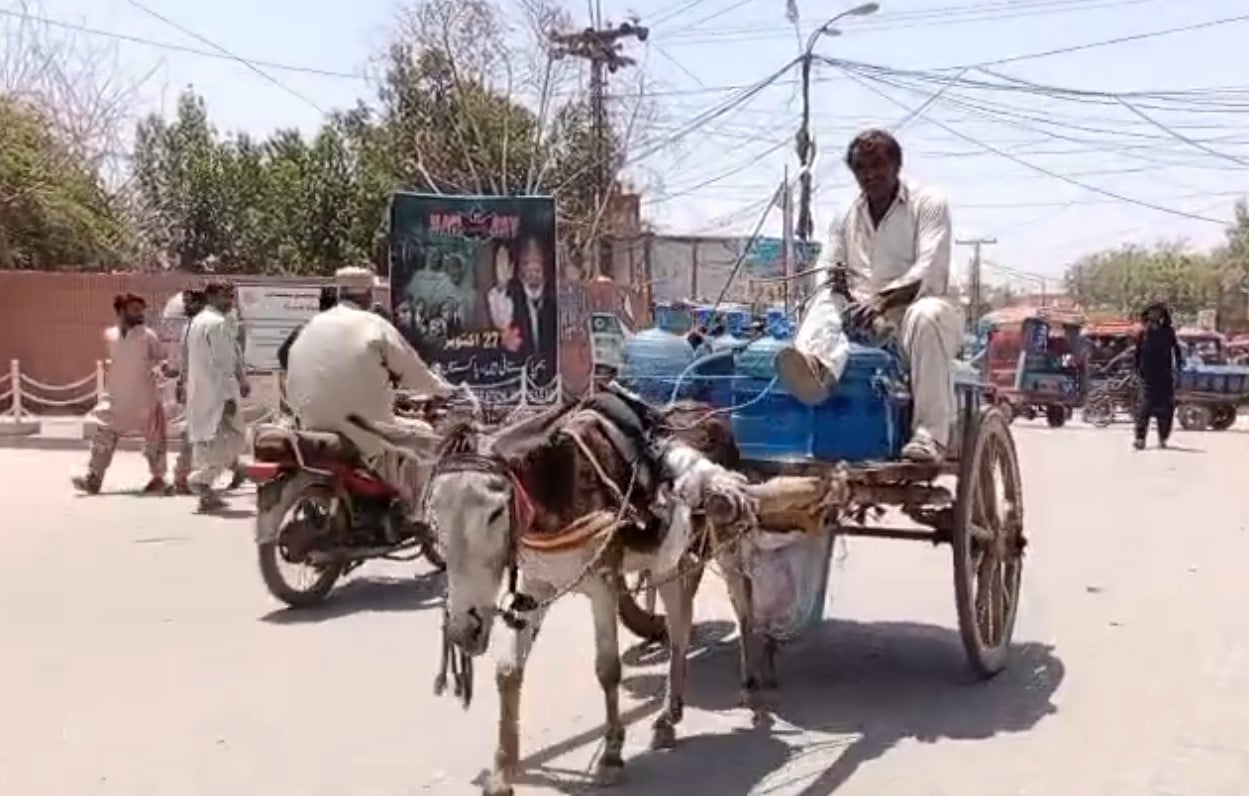
Access to drinking water remains a major challenge. Groundwater is often too saline to drink, forcing families to buy water every day from donkey carts carrying blue containers through neighbourhoods. A typical household buys at least two containers daily and spends around Rs80 on drinking water alone, adding another burden for families already facing high food prices, irregular incomes and energy expenses.
Heat-driven migration is becoming more common
The fieldwork also found that migration is increasingly being used as a response to heat, rather than only to floods. For families with relatives or enough means, Quetta has become a seasonal destination during the hottest months, with many leaving Jacobabad for the summer and returning later.
Farhana, 38, a resident of Muhammad Pathan village, lives with her husband and seven children. Her husband works as a daily wage labourer at a nearby brick kiln. She said that each year, as temperatures rise, she joins many other families in leaving for Quetta for several months, and by mid-June much of the village has emptied. A similar pattern had been observed in several villages in and around Jacobabad, with the migration period lengthening as extreme heat lasts longer.
At the same time, many people cannot leave. Teachers, shopkeepers, labourers and others whose incomes depend on staying in Jacobabad continue to endure the conditions because leaving is not economically possible.
Limited public response, local relief efforts
Despite repeated heatwaves, heat still has little place in Pakistan’s disaster governance framework. Weather alerts are issued by the meteorological authorities and shared through television, social media and mobile phone messages, but during the researchers’ visit, visible public infrastructure for responding to heat remained limited even as temperatures neared 50°C.
Local organisations, including the Community Development Foundation and the START Network, had set up heat relief camps, distributed ice, provided shaded spaces and tested low-cost cooling measures for households and mobile street vendors. these efforts as important, but said they do not replace a broader systemic response.
The conditions seen in Jacobabad carry implications beyond northern Sindh, as residents are already confronting the type of heat that climate projections suggest could become more common across Pakistan in the coming decades. The cost of adaptation is falling most heavily on those with the fewest resources, as families pay for drinking water because groundwater is undrinkable, invest in solar panels because electricity is unreliable, and migrate because staying home has become increasingly difficult.
0 Comments
No comments yet. Be the first to join the discussion!