June 19, 2026
PMA says Sindh health budget neglects public health
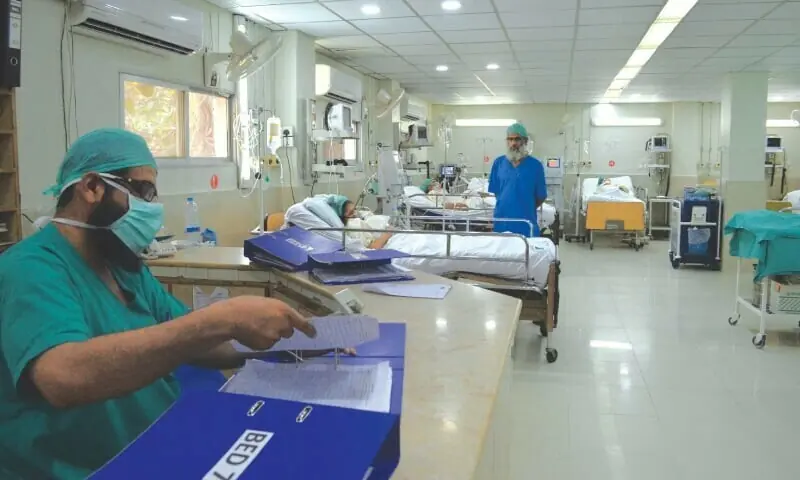
The Pakistan Medical Association has criticised Sindh’s Rs393.16 billion health budget, saying it prioritises specialised treatment over disease prevention and primary care. The body says BHUs and rural health centres are being sidelined.

June 19, 2026
KARACHI: The Pakistan Medical Association has issued a sharp critique of Sindh’s Rs393.16 billion health allocation for the 2026-27 financial year, saying the budget gives inadequate attention to disease prevention and primary healthcare while directing large sums to selected non-governmental organisations, public-private partnerships and autonomous specialised institutions.
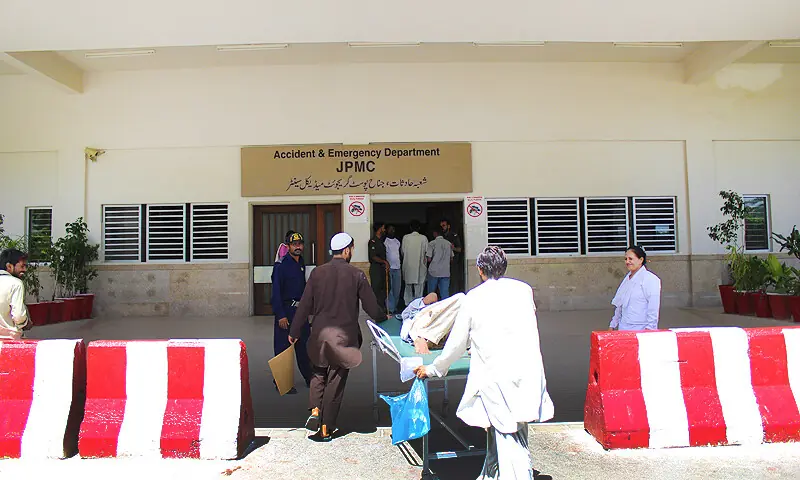
In a statement, the PMA said the province’s spending pattern reflected a deeper structural problem, with a substantial share of public health funding going towards recurring administrative costs, bureaucratic expenses and salary structures instead of direct patient services, vaccination programmes and community-level health measures. It said the budget was tilted heavily towards centralised, urban-based curative facilities through large grants for specialised treatment services.
The association said institutions providing treatment were performing an important role, but argued that this approach left public health and disease prevention without sufficient support. It described reliance on treatment at tertiary-care level after illnesses had already advanced as financially unsustainable.
“It is highly tragic that the government’s primary budget strategy relies heavily on outsourcing its core responsibilities to public-private sectors and NGOs. While specialised curative centres are doing commendable work, where is the vision for public health? Where is the budget for preventing waterborne diseases, malnutrition, polio, tuberculosis, or maternal-fetal crises at the early tiers? We are building massive hospitals while letting our basic healthcare foundations rot,” the PMA said.
Comparison with regional models
The PMA said neighbouring countries had improved health indicators not by expanding large hospital networks alone, but by protecting funding for first-tier care and preventive public health systems. It cited Sri Lanka and Thailand as examples, saying both countries directed sustained public investment towards sub-district health facilities and preventive primary care packages, which helped bring maternal and under-five mortality rates down to among the lowest in the region and reduced pressure on tertiary hospitals.
It also referred to Bangladesh, saying the country had built a network of more than 14,000 community clinics focused on immunisation, nutrition and maternal monitoring, producing significant gains in health indicators at comparatively low cost.
According to the PMA, Iran developed a widely recognised primary healthcare network through rural Health Houses and trained community health workers known as Behvarz. It said that system reduced rural-urban disparities, improved vaccination coverage and contributed to lower infant and maternal mortality.
Concern over rural and basic facilities
The association said Sindh’s current allocation pattern, with its strong emphasis on large urban grants, was marginalising the province’s network of Basic Health Units and Rural Health Centres. It maintained that these facilities should form the backbone of a functioning public health system, particularly for early intervention, maternal care, immunisation and disease control.
The PMA’s statement centred on what it described as a lack of investment in the foundational layers of healthcare, arguing that without stronger support for prevention and primary services, the broader system would remain under strain despite continued spending on specialised institutions.
0 Comments
No comments yet. Be the first to join the discussion!