June 19, 2026
Ceasefire signing
The US and Iran sign a ceasefire in a rushed electronic process, reopening the Strait of Hormuz and easing oil prices, while a 60-day nuclear talks window begins.

June 19, 2026

US-Iran ceasefire signing signals new beginning
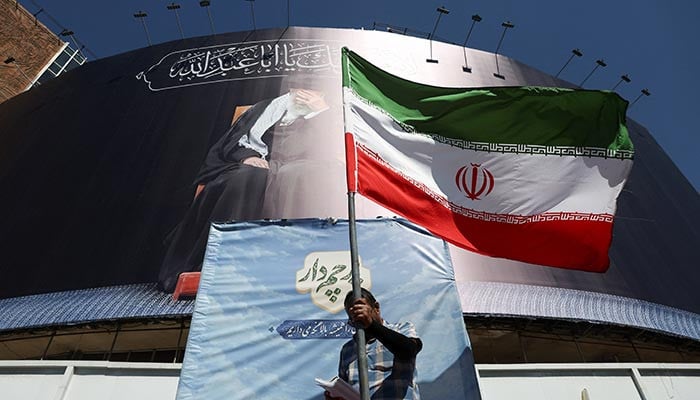
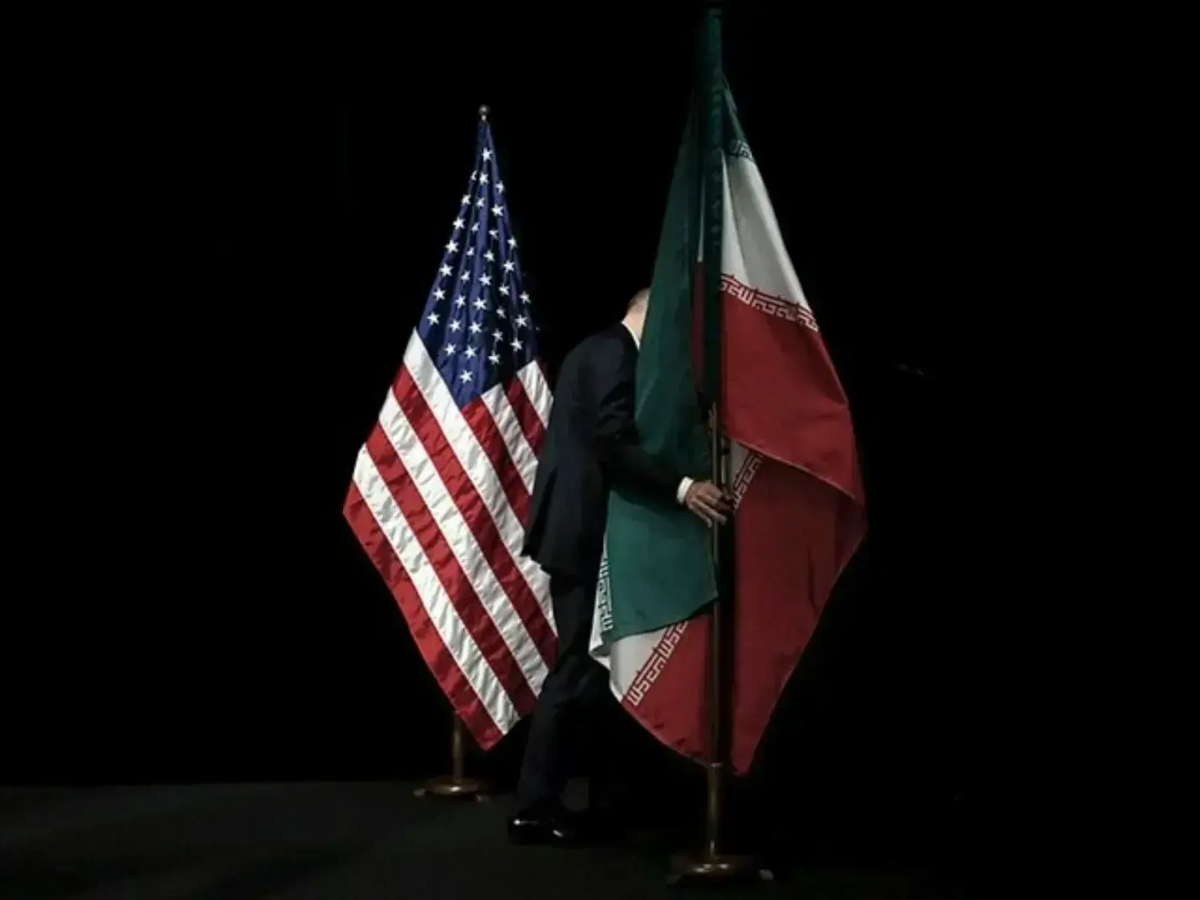
The signing of the ceasefire agreement between the USA and Iran was perhaps as chaotic as it should have been. What should have been a carefully choreographed ceremony turned into a hasty electronic signing, with all three signatories Pakistani PM Shehbaz Sharif was one of the signatories, as mediator in what was called the ‘Islamabad Memorandum of Understanding’. Instead of taking place on Friday in Switzerland, the signing took place a day earlier, on Thursday. With Mr Sharif and Iranian President Masoud Pezeshkian signing in their respective capitals, while US President Donald Trump signed in Versailles, where he is to attend the G7 Summit. As a result of the accord being signed early, the 60-day deadline it sets for US-Iran nuclear talks begins one day earlier, so that the negotiating period runs out on August 17 instead of August 18.
The signing was accompanied by the news that the Strait of Hormuz was once again open for navigation, with both the USA and Iran lifting their blockades. Another sign was the return of the global oil price to pre-war levels, as Brent crude went down to Rs 77.69 per barrel. Another sign of returning economic normalcy was the Bank of England keeping interest rates unchanged, a sign that the Bank felt inflationary pressures were receding. The Pakistani consumer was quickly given the benefit of the fall in oil prices, by the reduction of the pump price of petrol to Rs 299.78 per litre and of diesel to Rs 311,78, after cuts of respectively Rs 74 and Rs 67 per litre. The petrol price is still above the last pre-war fix of Rs 285, but by bringing it below the Rs 300 mark, the government has cleared an important psychological barrier.
The reopening of the Hormuz Strait is only the beginning. There are still the complicated and highly technical nuclear negotiations to be carried. Then there is the shadow of Israel, which has a track record of launching attacks when negotiations are taking place. However, it is going to be difficult for Israel to persuade the USA to risk another attack, when this latest has gone so disastrously wrong. As the ceasefire took place without the USA being able to reopen the Hormuz Strait, it is unlikely that it would risk another closure. What happens after the US midterms, when Mr Trump will not be restrained by any electoral considerations, is another matter.
The Editorial Department of Pakistan Today can be contacted at: [email protected].
View all articles →0 Comments
No comments yet. Be the first to join the discussion!