June 20, 2026
Spike in deaths at DR Congo camp raises fears of faster Ebola spread
At least 30 people have died since early May at a displaced persons camp in Bunia, raising fears Ebola may be spreading undetected. Aid workers and camp officials say poor sanitation and funding cuts have deepened the risk.

June 20, 2026
KINSHASA: A sharp rise in deaths at a camp for displaced civilians in northeastern Democratic Republic of Congo has heightened concern that Ebola may be spreading quickly in the settlement, where residents had until Thursday resisted testing of both sick people and the dead.
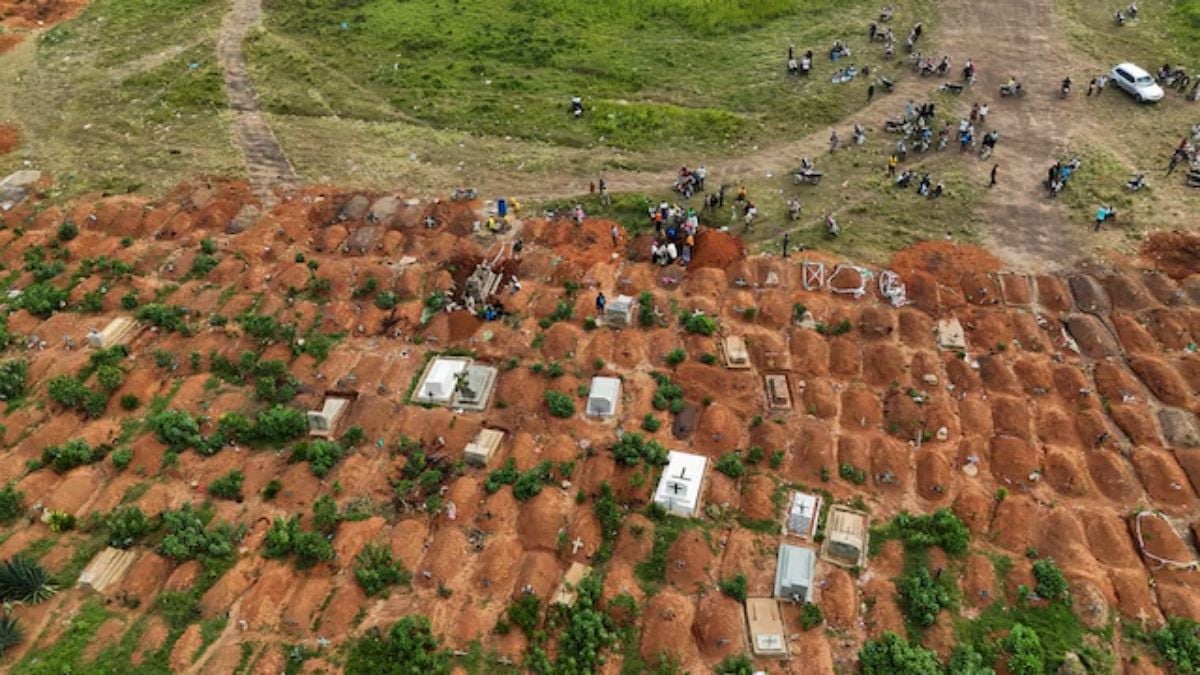
Camp officials and Catholic aid group Caritas said at least 30 people have died at Kigonze camp in Bunia since the start of May. Bunia is the centre of the country’s current Ebola outbreak. The exact causes of death had not been confirmed because families and patients had not allowed testing, but a camp spokesperson, a bereaved father, three aid workers and a civil society leader told Reuters the victims had shown symptoms including headache, fever and vomiting, which are associated with Ebola.
Camp spokesperson Desire Grodya Bapi said the pace of deaths was unlike anything previously seen there. He said the camp, which houses more than 15,000 people, normally recorded between one and three deaths a month. Camp President Dz'djo Ndrutsi Etienne said 10 people were buried this week alone.
Attributing the scale of the recent losses to worsening conditions in the camp, Grodya told Reuters:
"People didn't just die like this before,"The deaths have intensified worries that Ebola could be circulating unnoticed among eastern Congo’s more than 5 million displaced people. The challenge is being compounded by weak sanitation conditions in camps and resistance to medical checks.
Bodies seen as families resisted inspections
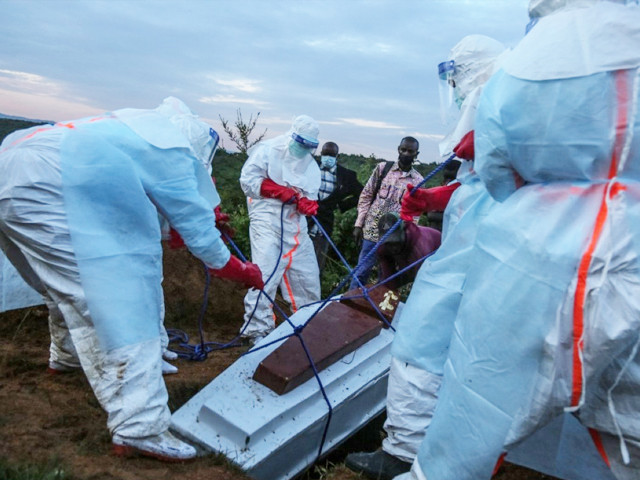
Justin Zanamuzi, director of Caritas, said his staff saw several bodies covered in sheets on Wednesday, including those of a pregnant woman and children. Footage from Thursday shared by a civil society leader and verified by Reuters showed health workers in protective suits disinfecting bodies and preparing small coffins near a crucifix while mourners cried nearby.
Zanamuzi said Caritas workers had tried to convince families to allow doctors to examine the dead, but the effort was initially rejected.
"Our team tried to persuade people to accept doctors to inspect the bodies. They completely refused,"The outbreak was officially declared by Congolese authorities on May 15, although officials said the deaths had started earlier in the month. Grodya said health workers had since collected samples from five victims and were waiting for the results.
Cholera can also cause symptoms resembling Ebola and can spread rapidly in poor communities, though it does not usually pass from person to person in the same way.
Camp resident Kato Lonu, 47, said he had lost two children, including a six-month-old baby, and described the conditions in the camp as intolerable.
Sanitation shortfalls and aid cuts
Four aid workers said the rise in deaths underscored how reduced support for water, hygiene and sanitation programmes had left communities more exposed to diseases such as Ebola. Such services are considered vital because Ebola spreads through bodily fluids, including human waste.
UN data showed funding for toilets and handwashing facilities in Congo dropped by more than half between 2024 and 2025 to about $38 million. This year’s $80 million appeal is only 21% funded. Congo has hundreds of camps for people displaced by conflict, with some holding as many as 100,000 residents.
Ebola deaths have also been recorded at another camp in Ituri province, which accounts for more than 90% of the country’s nearly 900 confirmed cases.
In Kigonze, families live in plastic shelters less than a metre apart, while children move barefoot through dirt lanes. Some toilets in the camp bear USAID markings, and an aid worker said the US agency had helped finance their construction. But Grodya and one aid source said the number of toilets was insufficient and many frequently overflowed.
"The latrines fill up very quickly, and people have to empty them themselves, with their bare hands,"US-backed programmes reduced
The United States has been the biggest backer of water, sanitation and hygiene services in Congo, providing more than $60 million in 2024 to help limit disease transmission, according to a summary shared by a former USAID official. Washington has also committed more than $375 million in direct Ebola funding.
The Trump administration has said it wants to concentrate on hyper-prioritised life-saving humanitarian assistance. There was no immediate comment from the US State Department, while Reuters said it could not establish how much money, if any, currently reaches Kigonze.
Four aid groups — Mercy Corps, Danish Refugee Council, CARE International and Oxfam — said their US-funded water, sanitation and hygiene work for displaced communities in the three Ebola-affected provinces had been cut back or halted after funding reductions last year. Mercy Corps said it had installed 82 water taps and more than 400 public toilets serving over 125,000 displaced people in 2024. This year, it said, reduced funding means fewer than 19,000 people are now served by six taps and no public toilets.
0 Comments
No comments yet. Be the first to join the discussion!