Fear and mistrust deepen the impact of DR Congo’s latest Ebola outbreak
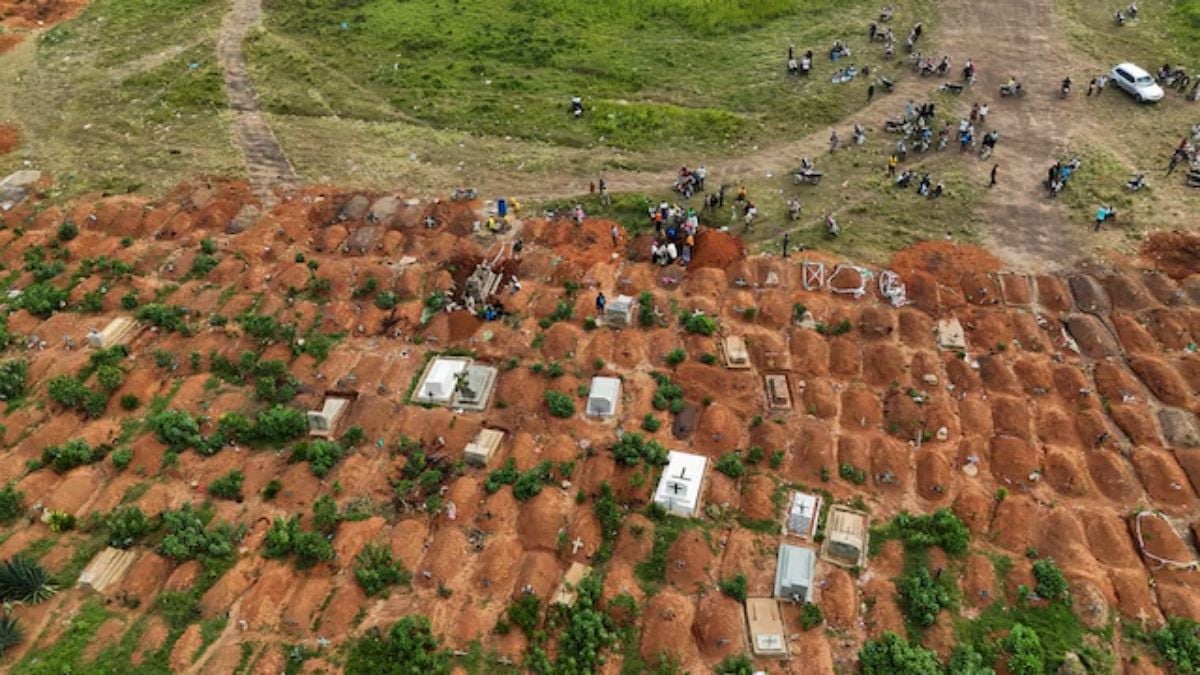
Fear and denial are hampering efforts to contain the latest Ebola outbreak in eastern DR Congo, where Mongbwalu has emerged as a key hotspot. Authorities say 88 of 322 suspected cases in the town have died.

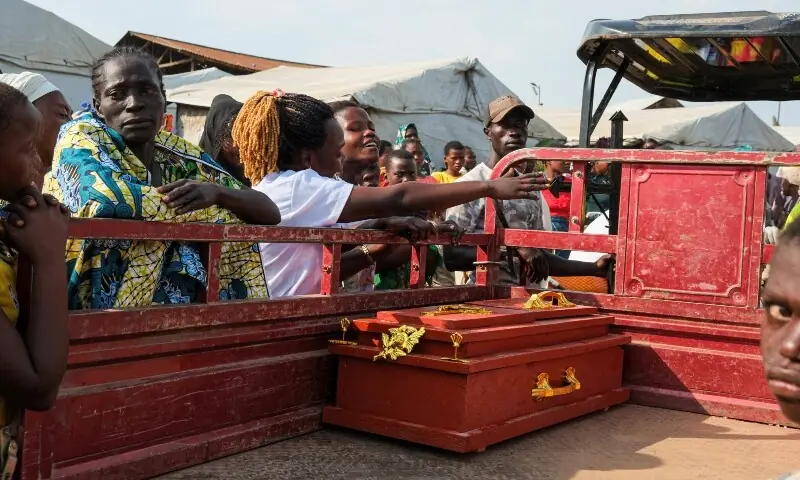
KINSHASA: Fear, mistrust and denial are complicating efforts to contain the latest Ebola outbreak in the eastern Democratic Republic of Congo, where residents in the northeastern town of Mongbwalu remain divided over both the disease and the government’s handling of the crisis.
Mongbwalu, in Ituri province, is among the areas where some of the first cases were recorded. The latest figures from the authorities cite 322 people are suspected to have contracted Ebola in the town and 88 of them have died. Across the country, the Bundibugyo strain linked to Congo’s 17th recorded Ebola outbreak is believed to have killed 204 people overall.
The outbreak has spread within a matter of weeks to several nearby provinces and has also crossed into Uganda. The World Health Organization has declared the epidemic an international emergency. The affected region is highly mobile, with gold miners and traders moving through mineral-rich but conflict-hit Ituri. Mongbwalu lies about 100 kilometres from Uganda and around 200 kilometres from South Sudan, adding to concerns over cross-border transmission.
Some residents say they accept the reality of the virus after seeing deaths around them. Laureine Sakiya, a 26-year-old resident of Mongbwalu, said she believed Ebola was real because some of her neighbours had died. She also called for stronger support from the authorities.
There is no vaccine or treatment for the Bundibugyo strain responsible for the current outbreak. In a community already wary of the Congolese state after years of conflict and neglect, that mistrust has fed criticism of the official response, while others continue to deny the disease exists.
Strained conditions on the ground
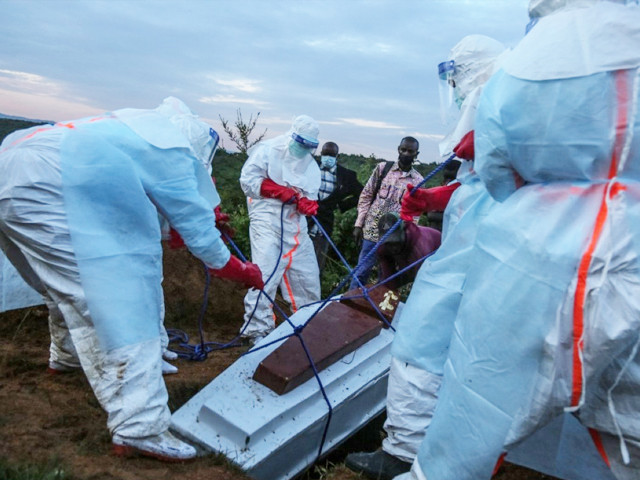
At Mongbwalu’s local hospital, healthcare workers are disinfecting floors and walls with chlorine solution while wearing full protective gear, including facemasks and goggles, to reduce the risk of infection from close contact and bodily fluids. Even so, basic handwashing being carried out with plastic buckets, underscoring the limited resources available in the response.
The conditions have heightened fears that the outbreak could become one of the most severe in the history of the virus. The combination of weak infrastructure, population movement and public distrust has left health workers confronting a difficult environment as the epidemic continues to spread.
Comments
No comments yet. Be the first to join the discussion!