June 18, 2026
Sindh looks to raise Rs450bn in sales tax
Sindh has set a Rs450 billion target for sales tax on services in FY27, up sharply from previous estimates and actual collections. The levy remains central to the province’s plan to raise revenues and finance education, health and other spending priorities.

June 18, 2026
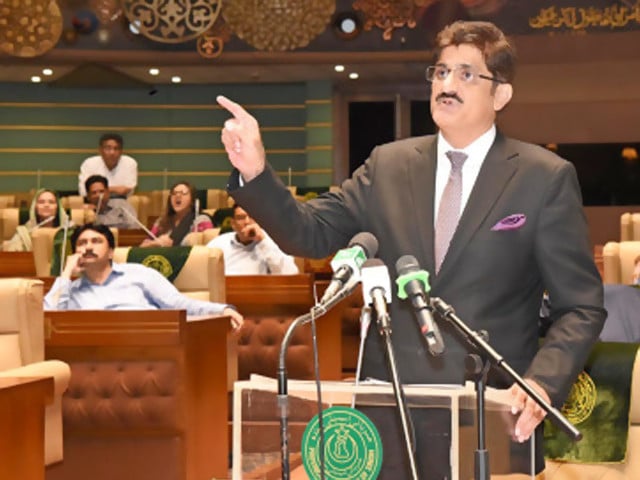
KARACHI: The Sindh government has set a target of Rs450 billion in collections from the Sindh Sales Tax on Services for fiscal year 2026-27, according to the chief minister’s budget speech, as it seeks to strengthen provincial revenues and reduce dependence on federal transfers.
The target is significantly higher than the Rs388 billion budgeted for 2025-26 and the revised estimate of Rs360 billion for the same year. Actual collections in 2024-25 were reported at Rs284.22 billion, underscoring the scale of the increase envisaged for the coming fiscal year and the reliance on the Sindh Revenue Board to widen the tax net through improved compliance and digital systems.
The services tax target is the main component of Sindh’s projected provincial tax revenue of Rs690.06 billion for FY27. This compares with a budget estimate of Rs676.06 billion in the previous year and a revised estimate of Rs623.73 billion. Within total indirect taxes projected at Rs535.41 billion, the services levy accounts for the largest share, alongside Rs15 billion in provincial excise, Rs40 billion in stamp duty and Rs30.41 billion in motor vehicle receipts. Other indirect taxes, including the Sindh Development and Maintenance of Infrastructure Cess, are expected to bring in Rs146.65 billion.
Direct taxes have been budgeted at Rs8 billion, largely from agricultural income tax, while non-tax revenue is estimated at Rs85 billion. These figures take total provincial revenue, including tax and non-tax receipts, to Rs775.06 billion.
Federal transfers and overall revenue framework
When federal transfers of around Rs2.26 trillion are added, including revenue assignment of Rs2.08 trillion as well as straight transfers and other grants, Sindh’s total general revenue receipts are projected at Rs3.03 trillion. The overall provincial consolidated fund, including revenue and capital, is forecast at Rs3.71 trillion.
The budget document also projects foreign project assistance loans at Rs256.06 billion, adding to capital inflows. Overall, the fiscal framework shows total revenue of Rs3.04 trillion against expenditure of Rs3.28 trillion, with financing to come through net capital receipts and a closing balance of Rs19.29 billion.
Spending priorities and sectoral allocations
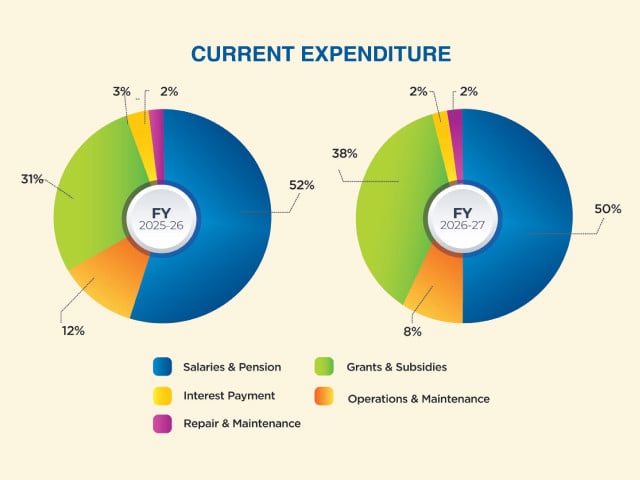
The Sindh government has linked its revenue plans to spending on priority sectors. The budget allocates Rs583.21 billion for education and Rs338.21 billion for health. At the same time, current revenue expenditure is projected to rise to Rs2.56 trillion, while development spending has been reduced to Rs720.39 billion.
The development allocation includes an Annual Development Plan of Rs385 billion and a District ADP of Rs15 billion, which has been sharply cut. On the expenditure side, the transfers head has risen to Rs283.87 billion, a category that may support local economies through grants to districts.
Compliance focus for services sector
The emphasis on services tax reflects Sindh’s effort to capture growth in sectors such as information technology, telecom, banking, logistics, hospitality, real estate and professional services, while improving documentation of the provincial economy. The higher target is expected to place greater compliance demands on businesses operating in the province.
Companies are likely to face tighter reporting, audit and invoicing requirements under Sindh Revenue Board digital platforms. While this may raise the cost of doing business in the short term, successful implementation could generate resources for development and social spending. Any sizeable gap in services tax collections could require adjustments elsewhere, including expenditure rationalisation or requests for additional federal support.
The government has maintained that the planned measures will reinforce provincial finances while helping fund essential development and social sector priorities in the coming fiscal year.
0 Comments
No comments yet. Be the first to join the discussion!