June 18, 2026
Pre-monsoon rain floods roads and disrupts life in Rawalpindi
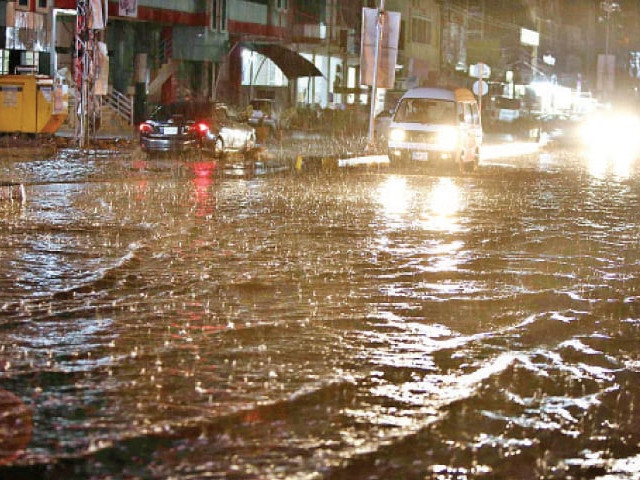
A short but heavy pre-monsoon downpour flooded major roads and residential areas in Rawalpindi on Wednesday, paralysing traffic and exposing drainage shortcomings. The rain brought relief from the heat but heightened fears ahead of the monsoon season.

June 18, 2026
RAWALPINDI: A brief but intense pre-monsoon rainstorm brought large parts of Rawalpindi to a halt on Wednesday, flooding roads, disrupting traffic and laying bare weaknesses in the city’s drainage system.
The downpour, which lasted around half an hour and was accompanied by thunder, lightning and strong winds, brought relief from the heat and humidity that had prevailed in the city over the past week. The rain also cleared dust from streets and trees, giving the city a fresher look, but the impact on movement and infrastructure was immediate.
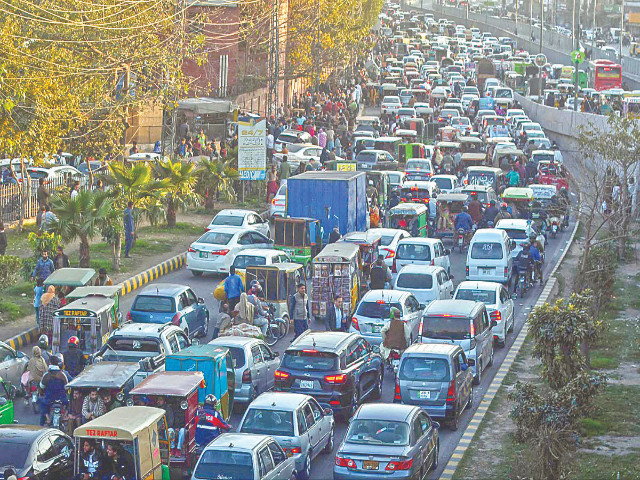
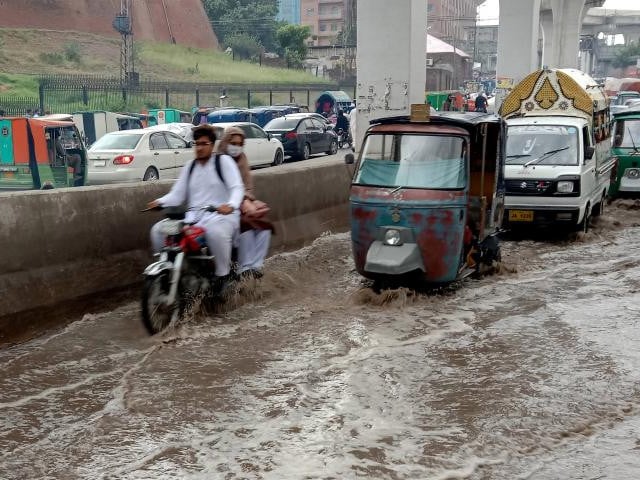
Water collected up to three feet deep in several low-lying areas, while major roads including Murree Road, Rawal Road, Mall Road and key routes in Saddar remained under water for hours. Traffic movement was badly affected, and congestion spread across the city after flooded roads forced traffic wardens to leave their posts and seek shelter.
Motorcyclists were among the worst affected, with several riders reportedly slipping on waterlogged roads, particularly on Adamjee Road in Saddar. Rainwater also entered streets and lanes in a number of residential neighbourhoods, including Arya Mohalla, Nadeem Colony, Javed Colony, Dhoke Elahi Bakhsh, Fazalabad, Chah Sultan, Dhoke Khabba, Fauji Colony, Sadiqabad, Zia-ul-Haq Colony, People’s Colony, Tench Bhatta and Shalley Valley.
Drainage concerns highlighted
The rainfall renewed concerns about the state of drainage preparedness ahead of the monsoon season. The Water and Sanitation Agency had earlier announced large-scale cleaning of Nullah Leh and 15 seasonal drains before the pre-monsoon period. However, the drainage network was unable to handle the short spell of heavy rain despite about Rs80 million having been allocated for desilting and cleaning work.
After the rain, WASA teams were sent to Committee Chowk Underpass and other affected locations to carry out emergency drainage work and help restore traffic flow.
Offices and public transport affected
The storm also affected buildings and transport facilities in several parts of the city. Government and private offices in Saddar reported rainwater entering their premises, while older structures in the inner city experienced leaking roofs.
Metro Bus infrastructure was also affected, with roof leaks reported at stations and water reaching platforms. Passengers also reported rainwater entering buses through leaking roofs, raising fresh concerns over maintenance.
The latest flooding has increased anxiety among residents living in low-lying areas as the full monsoon season approaches. With fears of urban flooding and possible overflow in Nullah Leh and seasonal streams, many residents have already started shifting valuables to safer places as a precaution.
0 Comments
No comments yet. Be the first to join the discussion!