June 18, 2026
NIH warns of higher disease risk during monsoon season
The National Institute of Health has issued a monsoon disease advisory, warning that flooding, unsafe water and sanitation disruptions can trigger outbreaks. It urged health authorities to improve preparedness, surveillance and response.

June 18, 2026
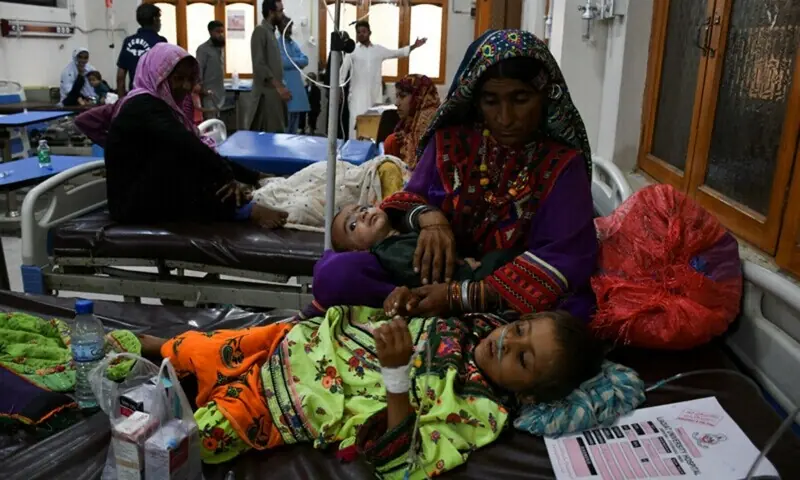
ISLAMABAD: The National Institute of Health has issued an advisory urging authorities to strengthen preparations against disease outbreaks that typically intensify during the monsoon season, when heavy rain and flooding can sharply raise public health risks.
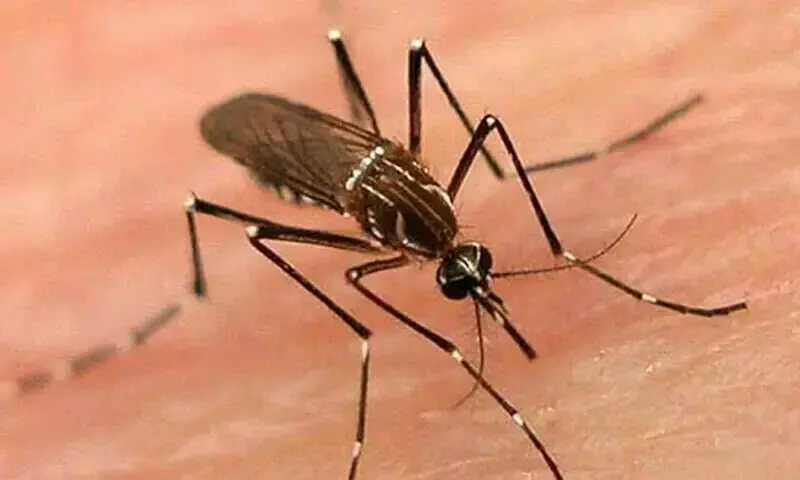
According to the advisory, monsoon conditions in Pakistan are linked to higher illness and death from communicable and vector-borne diseases. It said heavy rainfall, flooding, stagnant water, damage to sanitation systems, contaminated drinking water sources and increased breeding of disease-carrying vectors create conditions that can lead to outbreaks of acute watery diarrhoea, cholera, typhoid fever, malaria, dengue, chikungunya, leptospirosis, and viral hepatitis A and E, along with other infectious diseases.
The NIH also said displacement of populations, overcrowding in temporary shelters, limited access to safe water and healthcare, and disruption to routine public health work can further increase transmission risks during the season.
In the advisory, the institute stressed the need for coordinated preparedness and surveillance by health authorities and local administrations. “Timely preparedness, enhanced surveillance, early detection, and prompt response measures are essential to minimise the public health impact of monsoon-related disease outbreaks,” it stated.
It said the advisory was meant to guide provincial and federal health departments, healthcare facilities, district administrations and other relevant stakeholders in improving surveillance, preparedness, prevention and response measures during the monsoon season.
0 Comments
No comments yet. Be the first to join the discussion!