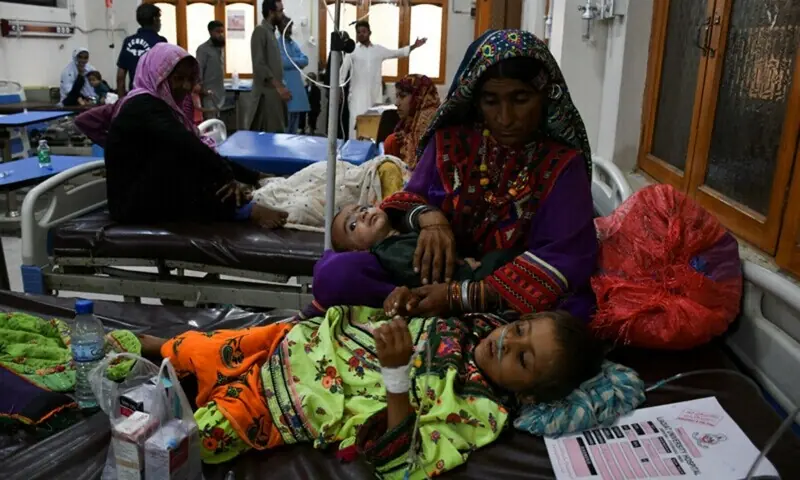
NIH warns dengue fever burden increasing every year, urges health departments to take precautions
The NIH's Centre for Disease Control has issued a dengue advisory warning that the disease burden is rising annually, urging health departments to take precautionary measures ahead of the monsoon season.

ISLAMABAD: With the dengue season approaching, the Centre for Disease Control (CDC) at the National Institute of Health (NIH) has released an advisory calling on health departments across the country to implement preventive and control measures against dengue fever, warning that the disease burden has been rising annually.
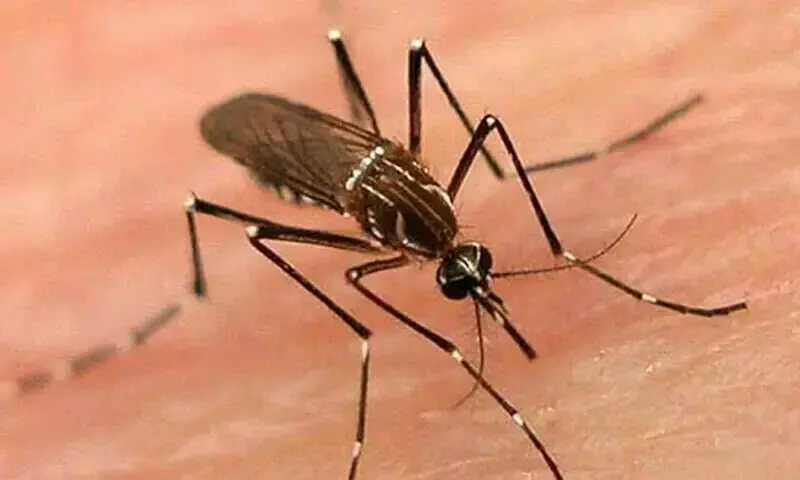
The advisory, signed by chief CDC-NIH Dr Mumtaz Ali Khan, described dengue as a critical public health challenge in Pakistan. It noted that the disease is caused by the Aedes aegypti and Aedes albopictus mosquitoes, which breed in clean, stagnant water found in urban and semi-urban settings.
Transmission peaks during monsoon season
According to the advisory, disease transmission reaches its highest levels during the monsoon and post-monsoon seasons, although sporadic cases are reported throughout the year. It identified rapid urbanisation, poor waste management and climate variability — specifically increased humidity and rainfall — as the primary drivers of dengue transmission.
Surveillance data shows rising cases
Citing surveillance data reported to the NIH, the advisory stated that the dengue fever burden increases every year, with 21,016 cases recorded. The institute emphasised the need for health departments to act proactively given the escalating trend in infections.
"These vectors thrive in clean, stagnant water within urban and semi-urban environments. The disease transmission peaks during the monsoon and post-monsoon seasons though sporadic cases occur year-round. Although rapid urbanisation, poor waste management and climate variability specifically increased humidity and rainfall are primary drivers of transmission."
The NIH's advisory underscored the importance of precautionary measures ahead of the peak transmission period, urging relevant health authorities to strengthen their preparedness and response mechanisms to curb the spread of the mosquito-borne disease.
The advisory from the national health body comes as Pakistan has faced recurring dengue outbreaks in recent years, with the disease placing a significant strain on the country's public health infrastructure. The NIH's call for action highlights the growing urgency to address the environmental and infrastructural factors that contribute to the proliferation of dengue-carrying mosquitoes across the country.
Health departments at both the federal and provincial levels have been asked to take the advisory into consideration and implement the recommended precautionary steps to mitigate the impact of the upcoming dengue season.
Comments
No comments yet. Be the first to join the discussion!