

June 18, 2026
KP hospitals directed to establish heat stroke units amid rising temperatures
The KP health department has directed hospitals to set up heat wave emergency units as rising temperatures increase the risk of heat-related illness. The advisory also set out symptoms, emergency treatment steps and hospital preparedness measures.

June 18, 2026
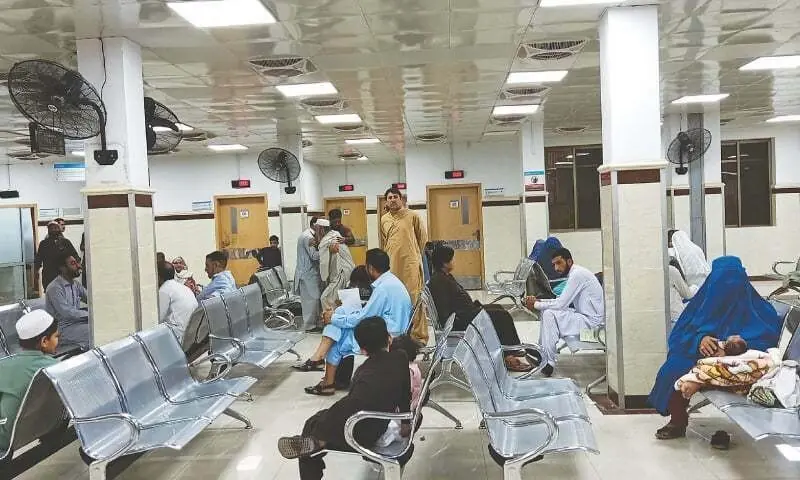
PESHAWAR: The Khyber Pakhtunkhwa health department has told hospitals across the province to set up heat wave emergency units to manage sunstroke cases as temperatures rise.
An advisory issued by the Directorate General Health Services to district health officers, medical superintendents and medical directors of medical teaching institutions said increasing temperatures linked to climatic extremes and global warming were causing a marked rise in heat-related illnesses. It described the situation as a serious public health risk, particularly for elderly people, children, pregnant women, athletes, infants and those with existing medical conditions.
According to the advisory, hospitals are required to establish dedicated wards equipped with essential medicines, intravenous fluids, cooling equipment and other necessary items for handling heat-related emergencies. It also directed health facilities to maintain round-the-clock readiness of emergency units throughout the peak summer season, saying climate-related changes were increasing illness and deaths associated with heat stroke and required immediate preventive and treatment measures.
The advisory noted that severe heat waves in recent years had caused significant sickness and deaths, placing major pressure on the healthcare system, especially in rural and underserved areas. It said the purpose of the directive was to improve preparedness and prevention of heat stroke, which it described as a medical emergency and a form of hyperthermia in which body temperature rises sharply and can prove fatal if not treated quickly and properly.
Symptoms and causes highlighted
The advisory explained that in heat stroke, the body temperature rises rapidly, the sweating mechanism fails and the body can no longer cool itself. It said the body normally produces heat through metabolism and usually gets rid of it through the skin or through the evaporation of sweat. However, it added that high environmental temperatures, humidity or vigorous physical exertion under the sun can prevent the body from dissipating heat sufficiently.
It further said dehydration could also lead to heat stroke because a person may be unable to sweat enough to cool down. The common signs and symptoms listed in the advisory included profuse sweating or no sweating at all, hot, red or flushed dry skin, weakness, lethargy, chills, throbbing headache, high body temperature, hallucinations, confusion, dizziness and slurred speech.
Immediate response measures
The advisory outlined immediate steps to be taken when heat stroke is suspected.
“If a person shows signs of possible heat stroke, professional medical treatment should be given to him immediately with most critical step being the lowering of the temperature by moving patient to shady area, unnecessary clothing should be removed and cool tepid water should be applied to the skin while soaking remaining clothes with water,” said the advisory.
It said emergency services should be informed immediately because severe patients often required hospitalisation and intravenous rehydration. “Promote sweat evaporation by placing the patient before fan and putting ice packs under armpits and groin. If the patient is able to drink liquids, he should be given plenty of cool water or other cool beverages that do not contain alcohol or caffeine.”
The advisory added that intravenous fluids should be maintained and the patient should be hospitalised where necessary. “Monitor the body temperature with a thermometer and continue cooling efforts until the body temperature drops to 101°F to 102°F,” it said.
According to the advisory, antipyretics should be given once body temperature falls to 101°F or below, while soft drinks, sugary drinks and caffeinated beverages should be avoided because they hinder absorption and may worsen dehydration.
0 Comments
No comments yet. Be the first to join the discussion!


